
Listen to this Post
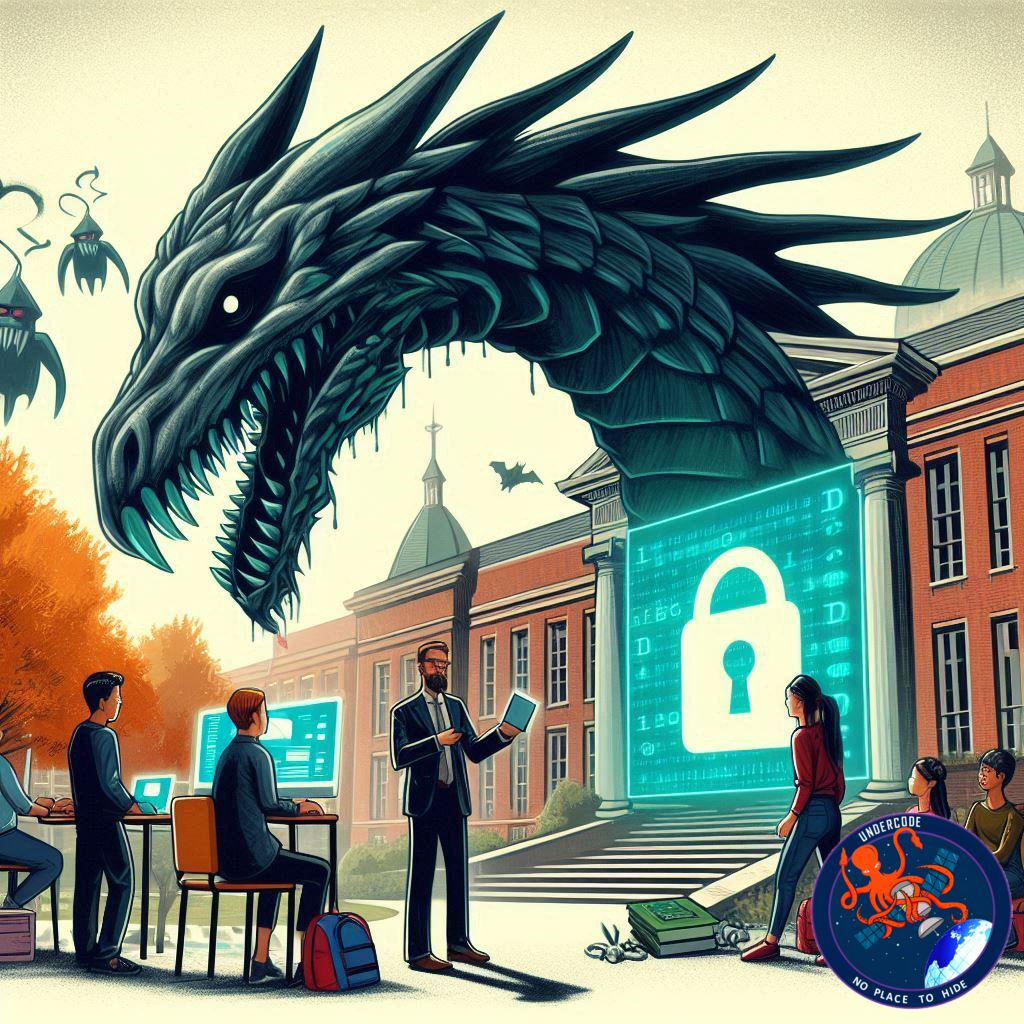
A new cyberattack has shaken the educational sector as the notorious Qilin ransomware group reportedly added the Madera County Superintendent of Schools to its growing list of victims. This incident, detected by the ThreatMon Threat Intelligence Team, underscores the rising threat of ransomware campaigns against public institutions, particularly those in the education sector. With sensitive data at stake and operational disruptions looming, the attack highlights the urgent need for robust cybersecurity measures in schools nationwide.
Qilin Ransomware Attack on Madera County
On December 25, 2025, at 18:20 UTC+3, ThreatMon’s monitoring system detected ransomware activity linked to the Qilin group targeting the Madera County Superintendent of Schools. This attack is part of a broader pattern of increasingly sophisticated ransomware campaigns that exploit weaknesses in public sector cybersecurity infrastructure. Although details on the extent of the breach or data compromised remain limited, the inclusion of a public education body raises concerns about potential exposure of personal student and staff data, administrative files, and operational systems.
The Qilin group is known for its advanced techniques, often deploying ransomware via phishing emails, compromised networks, or malicious software updates. Public institutions, especially school districts, are increasingly targeted because they frequently operate with outdated security systems and limited IT budgets. Such attacks not only threaten the confidentiality of sensitive data but can also disrupt essential educational services, delaying administrative functions and classroom operations.
While cryptocurrency continues to play a central role in ransomware transactions, tracking and prosecuting these groups remains a challenge. The ThreatMon platform provides critical insights into Indicators of Compromise (IOC) and Command & Control (C2) infrastructure, helping organizations anticipate and respond to threats more effectively. The Madera County incident underscores the evolving tactics of ransomware actors and the pressing need for proactive defense strategies in the public sector.
What Undercode Say:
The Madera County incident demonstrates the strategic shift of ransomware groups toward high-value, high-visibility targets such as public schools. Unlike corporate victims, school districts often lack layered cybersecurity frameworks, making them attractive for ransomware operators who aim to maximize leverage. From a technical perspective, Qilin is a sophisticated group, likely employing encryption routines that are resilient to basic recovery tools and may also exfiltrate data to pressure victims into payment.
From an organizational perspective, this incident highlights systemic vulnerabilities in public education IT systems. Many districts operate with outdated operating systems, insufficient network segmentation, and minimal staff training on phishing attacks. The human factor—employees inadvertently enabling ransomware execution—is as critical as technical defenses. Threat intelligence solutions like ThreatMon provide an edge by continuously monitoring C2 traffic and IOC patterns, but public institutions must also prioritize patch management, endpoint detection, and incident response readiness.
Financial implications are substantial. Even if a ransom is not paid, downtime, system restoration, and potential regulatory fines can strain district budgets. Moreover, reputational damage can affect stakeholder trust, particularly among parents concerned about student privacy. Cybercriminals like Qilin exploit these pressures, knowing that institutions may feel compelled to pay quickly to resume operations.
Legally, ransomware attacks on public schools can trigger compliance and reporting obligations, such as state data breach notifications and federal regulations like FERPA in the U.S. Ignoring these requirements could compound liability. Therefore, cybersecurity preparedness is not only a technical necessity but also a legal and ethical imperative for educational institutions.
Strategically, public schools should adopt a multi-layered approach: network segmentation, frequent backups stored offline, employee training programs, and partnerships with cybersecurity firms for active monitoring. Threat intelligence sharing across districts can also provide early warnings and mitigate the spread of attacks. The Madera County case is a cautionary tale of how targeted ransomware can disrupt essential public services, emphasizing the urgent need for proactive defenses.
The broader trend indicates that ransomware groups are shifting focus from purely financial targets to entities whose disruption has immediate societal impact. Education, healthcare, and municipal services are increasingly vulnerable due to systemic underinvestment in cybersecurity. As attackers like Qilin evolve, public institutions must respond with equally sophisticated defense mechanisms and continuous vigilance.
Fact Checker Results:
✅ Qilin ransomware group confirmed as a real, active threat.
✅ Madera County Superintendent of Schools added as a reported victim.
❌ Details on data exfiltration or ransom payment have not been verified.
Prediction:
📌 Given the growing sophistication of groups like Qilin, public education institutions will likely face more frequent and disruptive ransomware attacks in 2026.
📌 Cybersecurity budgets may increase, but without proactive threat intelligence and staff training, schools remain high-risk targets.
📌 Collaboration between districts and intelligence platforms like ThreatMon could become the standard approach to mitigate future attacks.
🕵️📝✔️Let’s dive deep and fact‑check.
References:
Reported By: x.com
Extra Source Hub (Possible Sources for article):
https://www.discord.com
Wikipedia
OpenAi & Undercode AI
Image Source:
Unsplash
Undercode AI DI v2
Bing
🔐JOIN OUR CYBER WORLD [ CVE News • HackMonitor • UndercodeNews ]
📢 Follow UndercodeNews & Stay Tuned:
𝕏 formerly Twitter 🐦 | @ Threads | 🔗 Linkedin | 🦋BlueSky | 🐘Mastodon


