
Listen to this Post
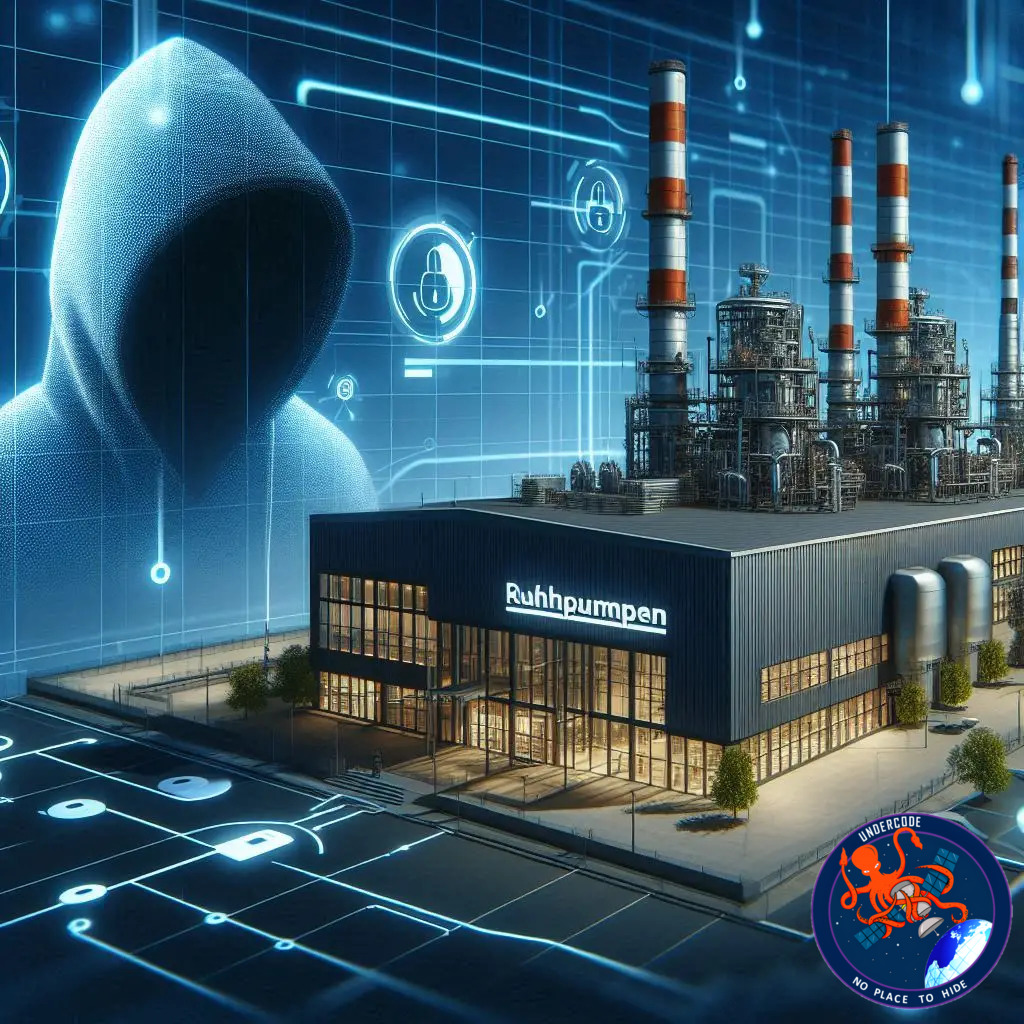
A significant cybersecurity incident has emerged in Germany, as the ransomware group Akira claims to have breached Ruhrpumpen, a leading industrial pump manufacturer. The attackers assert they have obtained 142GB of highly sensitive data, including employee Social Security numbers, financial records, and other confidential company information. This breach raises urgent concerns about industrial cybersecurity, employee privacy, and the resilience of critical manufacturing infrastructure against cyber threats.
Massive Data Theft at Ruhrpumpen
According to reports circulating on social media and cybersecurity news outlets, Akira announced that Ruhrpumpen’s internal systems were compromised, resulting in the exfiltration of over 142GB of proprietary and personal data. The stolen information reportedly includes financial documents, sensitive internal communications, and employee personal identifiers such as Social Security numbers. While the company has not officially confirmed the breach, the public disclosure by Akira indicates potential extortion attempts and the risk of wider exposure if demands are not met.
Implications for Industrial Cybersecurity
This attack highlights the growing threat of ransomware targeting industrial sectors. Companies in manufacturing, logistics, and infrastructure are increasingly seen as lucrative targets due to the critical role they play in supply chains and their potential vulnerability to operational disruptions. A breach like this can halt operations, damage reputations, and trigger regulatory scrutiny. For Ruhrpumpen, the leak of employee and financial data could have long-term legal and financial consequences.
Rising Ransomware Trends in Germany
Germany has recently faced a surge in ransomware attacks against industrial firms, highlighting systemic weaknesses in legacy systems, insufficient network segmentation, and inconsistent cybersecurity practices. Attackers like Akira often exploit social engineering, phishing campaigns, and unpatched vulnerabilities to gain entry. The disclosure of such a large dataset not only intensifies pressure on Ruhrpumpen but also signals a broader challenge for the German industrial sector.
Potential Consequences for Employees
The exposure of Social Security numbers and personal financial data places Ruhrpumpen employees at high risk of identity theft and financial fraud. Organizations must now weigh the costs of notification, credit monitoring, and potential compensation alongside operational recovery. Such breaches also affect employee trust and morale, amplifying internal challenges beyond immediate technical remediation.
What Undercode Say:
This breach exemplifies a sophisticated attack combining data exfiltration with psychological pressure on the company. Akira’s strategy appears to rely on public exposure as leverage, a hallmark of modern ransomware operations. Analysts note several critical factors:
Operational Vulnerabilities: Manufacturing firms often rely on legacy equipment and industrial control systems with outdated security protocols. Attackers exploit these gaps, gaining persistent access that allows extensive data harvesting. Ruhrpumpen’s incident reflects this vulnerability.
Data Sensitivity: The scope of data stolen—financial records, SSNs, and internal communications—indicates attackers have targeted both operational intelligence and personally identifiable information. This dual impact increases both corporate and regulatory risk.
Strategic Timing: The breach timing during the holiday season may be intentional, aiming to exploit periods of reduced staffing, slower response times, and lower organizational vigilance.
Ransomware Ecosystem Dynamics: Akira is part of a growing ransomware network that uses leak-and-threat tactics to force payments. The transparency of their claims on social media aligns with broader trends where cybercriminals leverage public channels to maximize pressure.
Regulatory and Compliance Risks: GDPR and other data protection regulations impose heavy fines for negligence in safeguarding personal data. Ruhrpumpen may face compliance investigations, amplifying reputational and financial consequences.
Mitigation Lessons: Organizations must enhance network monitoring, enforce multi-factor authentication, and implement strong data segmentation. Regular employee training on phishing and anomaly reporting can significantly reduce exposure to such attacks.
Future Threat Modeling: The Ruhrpumpen case signals that industrial ransomware attacks are evolving beyond encryption-only strategies. Data exfiltration and public leaks are increasingly the norm, demanding new defensive strategies for operational technology environments.
Industry-Wide Implications: This incident may trigger widespread review and investment in industrial cybersecurity across Europe, encouraging proactive measures such as threat hunting, penetration testing, and incident response simulations.
Psychological Warfare: Ransomware groups like Akira exploit fear and urgency. Their communications are carefully crafted to amplify pressure on both executives and employees, which can influence decision-making under duress.
Long-Term Operational Impact: Even if the immediate ransomware threat is neutralized, the long-term consequences—financial exposure, regulatory scrutiny, and workforce distrust—can persist for months or years.
Fact Checker Results:
✅ Akira has publicly claimed the breach on social media.
❌ Ruhrpumpen has not officially confirmed the incident.
✅ Reported data volume of 142GB aligns with Akira’s statements online.
Prediction:
🔮 The Ruhrpumpen breach may spark a wave of preemptive cybersecurity audits across German industrial firms. Companies with weak segmentation or outdated IT/OT systems could see increased targeting. Expect regulators to intensify scrutiny, while ransomware groups continue using public exposure as a negotiation tactic. Employees will likely demand stronger protections, including identity monitoring and secure data handling protocols.
If you want, I can also create a punchier, fully SEO-optimized version of this article that reads like a feature report for cybersecurity audiences without losing the technical depth. Do you want me to do that?
🕵️📝✔️Let’s dive deep and fact‑check.
References:
Reported By: x.com
Extra Source Hub (Possible Sources for article):
https://stackoverflow.com
Wikipedia
OpenAi & Undercode AI
Image Source:
Unsplash
Undercode AI DI v2
Bing
🔐JOIN OUR CYBER WORLD [ CVE News • HackMonitor • UndercodeNews ]
📢 Follow UndercodeNews & Stay Tuned:
𝕏 formerly Twitter 🐦 | @ Threads | 🔗 Linkedin | 🦋BlueSky | 🐘Mastodon


