
Listen to this Post
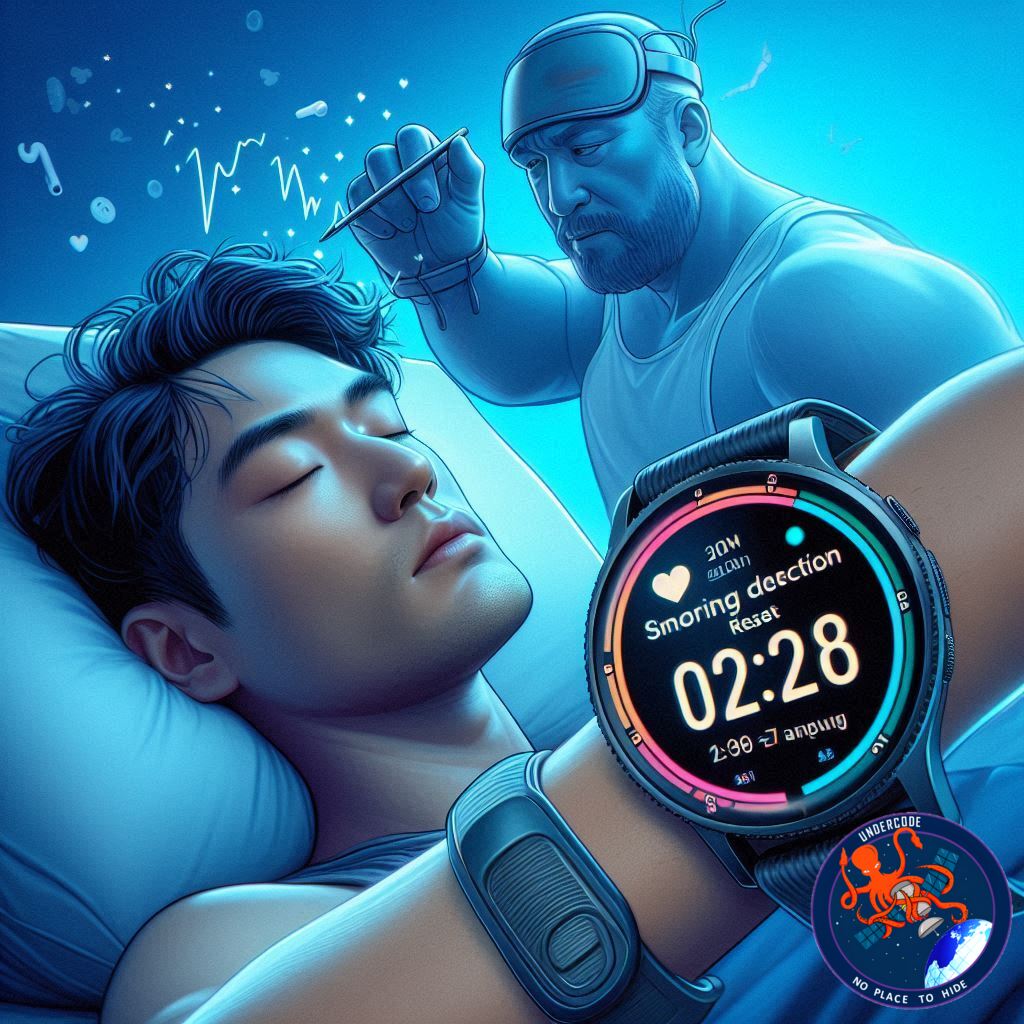
A Quiet Update That Speaks Loudly About Samsung’s Health Ambitions
Samsung has quietly pushed out a new update to the Samsung Health app, but the implications reach far beyond a routine patch. At first glance, this update appears minor — an improvement to the snoring detection algorithm used on Galaxy smartphones and Galaxy Watch devices. Yet behind this small adjustment sits a broader signal about where Samsung is heading in digital health, sleep science, and biometric precision.
The update arrives as part of Samsung Health version 6.31 and directly affects how snoring is detected, recorded, and analyzed. While the improvement promises better accuracy, it also comes with a trade-off that may surprise many users: all previously recorded snoring data will be erased once the update is installed.
This move positions Samsung closer to medical-grade health tracking while simultaneously forcing users to start fresh. For those who rely on sleep data to understand fatigue, breathing irregularities, or lifestyle impacts, this update is more consequential than it appears.
A Smarter Algorithm Behind the Scenes
Samsung’s Galaxy Watch lineup has long supported sleep tracking, offering insights into sleep duration, stages, blood oxygen levels, and snoring activity. The latest update enhances this ecosystem by refining how snoring is detected, filtered, and categorized.
According to Samsung, the updated algorithm improves accuracy, likely reducing false positives caused by ambient noise or inconsistent breathing patterns. This is especially relevant for users who sleep in shared environments or near background noise sources such as fans, air conditioners, or open windows.
The updated algorithm aims to better distinguish real snoring from environmental interference, producing cleaner, more actionable data. This improvement aligns with Samsung’s broader push toward preventative health insights rather than passive monitoring.
What Changes for Users After the Update
Once Samsung Health is updated to version 6.31, all previous snoring recordings will be permanently deleted. Users will no longer be able to replay or analyze past recordings made before the update.
However, any snoring recorded after installation will be stored normally and benefit from the improved detection system. Samsung has not provided a method to migrate or preserve old data, which suggests a structural change in how audio information is processed or stored.
This reset may frustrate long-term users, but it also signals a clean technical foundation moving forward.
How to Update Samsung Health
The update is available through the Galaxy Store. Users can install it by opening the store, tapping the hamburger menu in the top-left corner, selecting “Updates,” and then choosing Samsung Health. Alternatively, the “Update all” option can be used if multiple apps are pending updates.
The update is rolling out gradually, so availability may vary by region or device model.
Why Snoring Detection Matters More Than Ever
Snoring is often dismissed as a minor annoyance, but medically, it can indicate deeper health concerns. Persistent snoring may be linked to sleep apnea, respiratory issues, poor sleep quality, and even cardiovascular strain.
By refining its detection algorithm, Samsung strengthens its position in preventative health monitoring. The company appears to be shifting from basic wellness tracking toward data that could help users identify potential health risks earlier.
This update also aligns with broader industry trends. Wearable companies are increasingly focused on sleep as a foundation of health, recognizing that sleep quality influences immunity, cognitive performance, stress levels, and long-term disease risk.
A Strategic Move in the Wearables Race
Samsung is competing in a space dominated by Apple, Fitbit, and emerging health-tech startups. Each company is racing to turn wearables into medical-grade monitoring tools without crossing regulatory boundaries.
Improving snoring detection may seem small, but it plays into a much larger strategy. Sleep data is one of the most underutilized yet valuable biometric categories. It’s passive, continuous, and deeply personal. Better accuracy means higher trust, and higher trust means long-term ecosystem loyalty.
This update also reinforces Samsung’s intent to integrate software intelligence more deeply into hardware capabilities. Galaxy Watches already collect extensive data. The challenge is turning that data into insights users can trust.
User Experience Trade-Offs
While the improved accuracy is welcome, the loss of historical snoring data raises questions. Many users rely on long-term tracking to identify trends or discuss symptoms with healthcare professionals.
Samsung has not clarified whether this reset is a one-time technical necessity or a recurring risk with future updates. Transparency in this area will be essential to maintain user confidence.
Still, for most users, improved accuracy going forward may outweigh the inconvenience of losing old data — especially if the new algorithm proves meaningfully better.
The Bigger Picture of Sleep Technology
Sleep technology is evolving rapidly. What once required clinical sleep labs is now being approximated through consumer wearables. While these tools are not medical devices, their growing precision makes them increasingly relevant for early awareness.
Samsung’s move reflects a broader industry acknowledgment: sleep is no longer just about duration. Quality, consistency, breathing patterns, and environmental factors now define meaningful sleep tracking.
By refining snoring detection, Samsung strengthens one of the most overlooked aspects of sleep analytics.
What Undercode Say:
Samsung’s update may look minor on paper, but it reveals something bigger about how wearable health technology is evolving. This is not just a patch; it is a recalibration of trust between user and data.
Snoring detection is notoriously difficult. Environmental noise, partner movement, and microphone limitations all distort accuracy. Improving this system likely required architectural changes — which explains why old data could not survive the transition. This suggests Samsung prioritized long-term reliability over short-term convenience.
What stands out is Samsung’s growing confidence in health analytics. Rather than marketing flashy features, the company is quietly refining accuracy, which is where real value lies. This approach mirrors trends seen in medical-grade devices, where precision matters more than presentation.
However, the lack of transparency around data loss is a weak point. Users increasingly view health data as personal history. Deleting it without granular control may create friction, especially among power users who track trends over months or years.
Still, the move positions Samsung favorably in the wearables race. As AI-driven health insights become standard, clean data will matter more than legacy records. This update appears to be a foundational step toward more advanced sleep intelligence, possibly paving the way for predictive health alerts or deeper integration with clinical frameworks.
In the long term, this update may be remembered not for what it removed, but for what it enabled next.
Fact Checker Results
✅ Samsung Health version 6.31 introduces an updated snoring detection algorithm
✅ Previous snoring recordings are deleted after the update
❌ No evidence suggests this update adds medical diagnostic capabilities
Prediction
Samsung will expand this improved detection into broader sleep health scoring within the next year 💤
Expect tighter integration between Galaxy Watch sensors and AI-driven insights 📊
Sleep data may soon influence personalized health recommendations across the Galaxy ecosystem 🌙
🕵️📝✔️Let’s dive deep and fact‑check.
References:
Reported By: www.sammobile.com
Extra Source Hub (Possible Sources for article):
https://www.medium.com
Wikipedia
OpenAi & Undercode AI
Image Source:
Unsplash
Undercode AI DI v2
Bing
🔐JOIN OUR CYBER WORLD [ CVE News • HackMonitor • UndercodeNews ]
📢 Follow UndercodeNews & Stay Tuned:
𝕏 formerly Twitter 🐦 | @ Threads | 🔗 Linkedin | 🦋BlueSky | 🐘Mastodon


