
Listen to this Post
A Quiet Breach With Loud Consequences
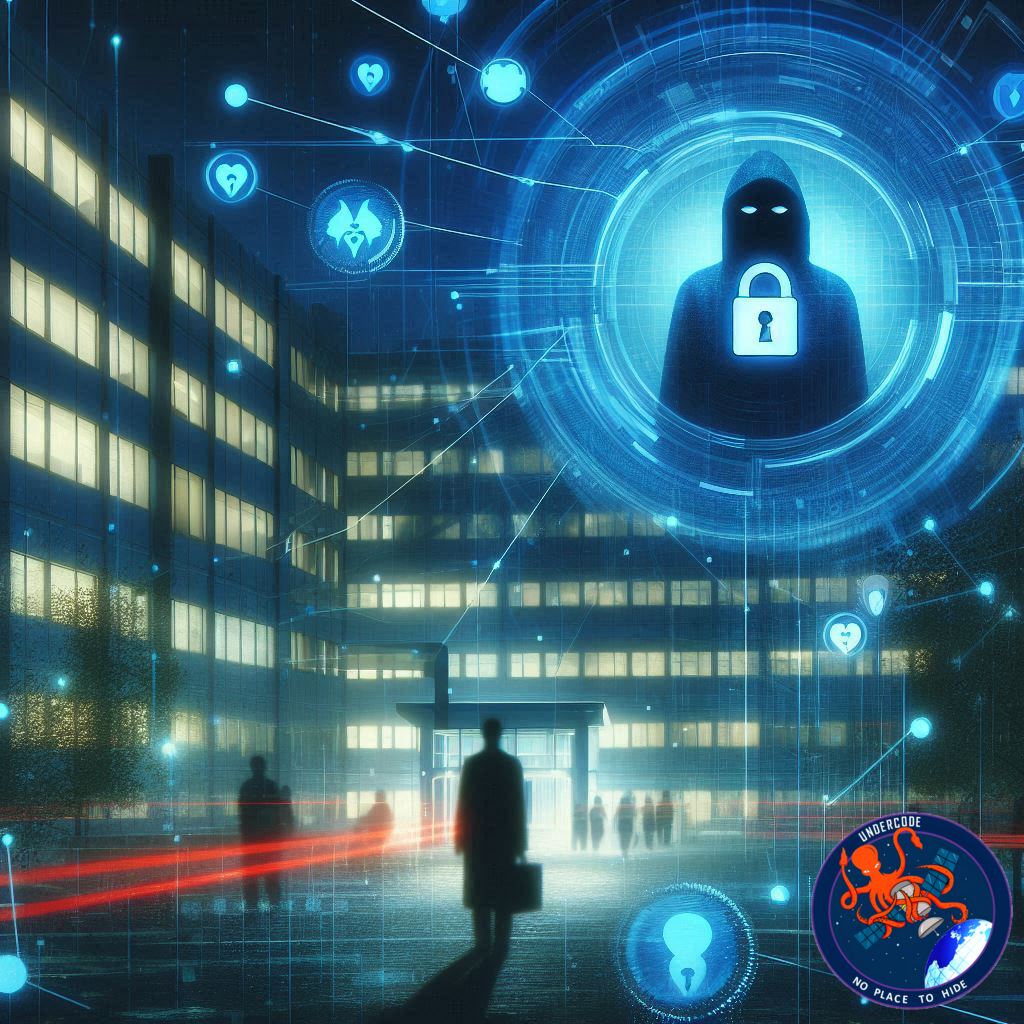
In early May, a cyber incident quietly unfolded inside Covenant Health, one of the healthcare organizations serving thousands of patients across the United States. The event did not begin with alarms or public warnings. Instead, it surfaced weeks later through threat monitoring channels, revealing that the Qilin ransomware group had allegedly infiltrated Covenant Health’s systems and accessed sensitive patient data. The scale of the breach, once disclosed, transformed what appeared to be another routine cybercrime headline into a serious healthcare data exposure with national implications.
The First Public Signal From Cyber Threat Monitors
The first public reference to the incident came from cybersecurity monitoring accounts tracking ransomware activity across global networks. According to reports attributed to these sources, the Qilin ransomware operation claimed responsibility for the attack. The claim suggested that nearly 478,000 patient records were compromised during the intrusion, including highly sensitive information such as Social Security numbers, medical records, and personal identifiers.
What Data Was Allegedly Compromised
The exposed dataset is reported to include a wide spectrum of personal and medical details. Patient names, dates of birth, Social Security numbers, and protected health information are said to be part of the compromised records. In the healthcare sector, this type of data is considered among the most valuable and dangerous when placed in criminal hands. Unlike credit card numbers, medical data cannot be easily changed or canceled.
Timing of the Attack and Delayed Disclosure
The alleged attack took place in May, yet public awareness did not emerge until January of the following year. This gap highlights a recurring issue in healthcare cybersecurity. Organizations often require extensive forensic investigation before confirming the scope of an intrusion. During that time, affected individuals may remain unaware that their most private information is already circulating in underground forums or ransomware leak sites.
Identity Protection Services Announced
In response to the reported breach, Covenant Health has begun offering identity protection services to affected patients. These services typically include credit monitoring, identity theft detection, and assistance in restoring compromised identities. While such offerings are now standard following large-scale data breaches, they also signal acknowledgment that the exposed data could be used for long-term fraud.
The Role of Qilin Ransomware in Healthcare Attacks
Qilin is not a new name in the ransomware ecosystem. The group has been linked to several high-profile attacks targeting healthcare, manufacturing, and public institutions. Their operational model often combines data encryption with data theft, using the threat of public exposure as leverage during extortion negotiations. Healthcare organizations remain a favored target due to their operational sensitivity and reliance on uninterrupted access to patient systems.
Why Healthcare Remains a Prime Target
Hospitals and healthcare networks manage enormous volumes of sensitive data while operating under tight budgets and complex regulatory requirements. Many still rely on legacy systems that are difficult to secure and patch. Attackers understand that even brief system downtime can disrupt patient care, increasing pressure on organizations to negotiate or comply with ransom demands.
The Human Cost Beyond the Headlines
Behind the numbers and breach notifications are nearly half a million individuals whose medical histories and personal identifiers may now be permanently exposed. Medical identity theft can lead to false insurance claims, incorrect medical records, and years of financial and legal complications. For patients, the damage extends far beyond temporary inconvenience.
Regulatory and Legal Implications
Large healthcare data breaches often attract regulatory scrutiny under laws governing patient privacy and data protection. Investigations may assess whether adequate safeguards were in place and whether breach notification requirements were met within mandated timeframes. Financial penalties and civil litigation frequently follow incidents of this magnitude.
The Growing Pattern of Silent Breaches
This incident fits a broader pattern seen across the healthcare sector. Breaches are increasingly discovered through third-party intelligence rather than immediate internal detection. This raises concerns about visibility, monitoring, and incident response maturity within organizations entrusted with critical personal data.
the Reported Incident
The reported Covenant Health incident centers on a Qilin ransomware attack allegedly executed in May, compromising data tied to approximately 478,000 patients. The exposed information is said to include Social Security numbers and medical records. Identity protection services are being offered as a mitigation step. The delay between the attack and public reporting underscores persistent challenges in healthcare cybersecurity readiness.
What Undercode Say:
The Covenant Health case reflects a structural weakness that continues to plague the healthcare industry. Ransomware groups like Qilin are not relying on sophisticated zero-day exploits alone. In many cases, they exploit known vulnerabilities, weak access controls, or compromised credentials obtained through phishing campaigns. The technical complexity of the attack is often less significant than the organizational gaps it exposes.
From an analytical standpoint, the delayed public disclosure suggests that detection mechanisms may not have triggered immediate alerts or that internal assessments underestimated the breach’s scope. In modern ransomware operations, data exfiltration frequently occurs long before encryption is deployed, if encryption happens at all. This allows attackers to monetize stolen data even if ransom negotiations fail.
The inclusion of Social Security numbers elevates the severity of the incident. Unlike financial credentials, SSNs are deeply embedded into identity verification systems across healthcare, banking, and government services. Once exposed, they become long-term assets for criminal marketplaces. This transforms a single breach into a persistent risk for victims over many years.
Healthcare organizations also face a unique dilemma. Regulatory compliance frameworks often focus on documentation and policy adherence rather than real-time threat detection and response. As a result, many institutions pass audits while remaining vulnerable to modern ransomware tactics. This gap between compliance and security maturity continues to be exploited.
Another critical factor is third-party exposure. Healthcare networks rely on vendors, billing services, and cloud platforms that expand the attack surface. Even if Covenant Health maintained strong internal controls, a compromised vendor could have provided an entry point. Supply chain risk remains one of the least visible yet most dangerous vectors in healthcare breaches.
Identity protection services, while necessary, represent a reactive measure. They do not reverse the exposure of medical histories or prevent future misuse of leaked data. The industry must move toward proactive investment in network segmentation, zero-trust architectures, and continuous monitoring rather than post-incident remediation alone.
The Qilin group’s continued activity demonstrates that ransomware operations remain highly profitable despite law enforcement efforts. Healthcare entities, constrained by ethical and operational responsibilities, will likely remain targets unless systemic security improvements are implemented across the sector.
Fact Checker Results:
✅ The reported breach size of nearly 478,000 patients aligns with threat intelligence disclosures.
❌ No independent forensic report has publicly confirmed the full scope of data exfiltration.
✅ Offering identity protection services is consistent with responses to breaches involving SSNs.
Prediction:
🔮 Healthcare ransomware incidents involving data theft will increasingly surface months after the initial intrusion.
🔮 Regulatory pressure will intensify on delayed breach disclosures in the medical sector.
🔮 Ransomware groups will continue prioritizing patient data over system encryption due to higher resale value.
🕵️📝✔️Let’s dive deep and fact‑check.
References:
Reported By: x.com
Extra Source Hub (Possible Sources for article):
https://www.medium.com
Wikipedia
OpenAi & Undercode AI
Image Source:
Unsplash
Undercode AI DI v2
Bing
🔐JOIN OUR CYBER WORLD [ CVE News • HackMonitor • UndercodeNews ]
📢 Follow UndercodeNews & Stay Tuned:
𝕏 formerly Twitter 🐦 | @ Threads | 🔗 Linkedin | 🦋BlueSky | 🐘Mastodon


