
Listen to this Post
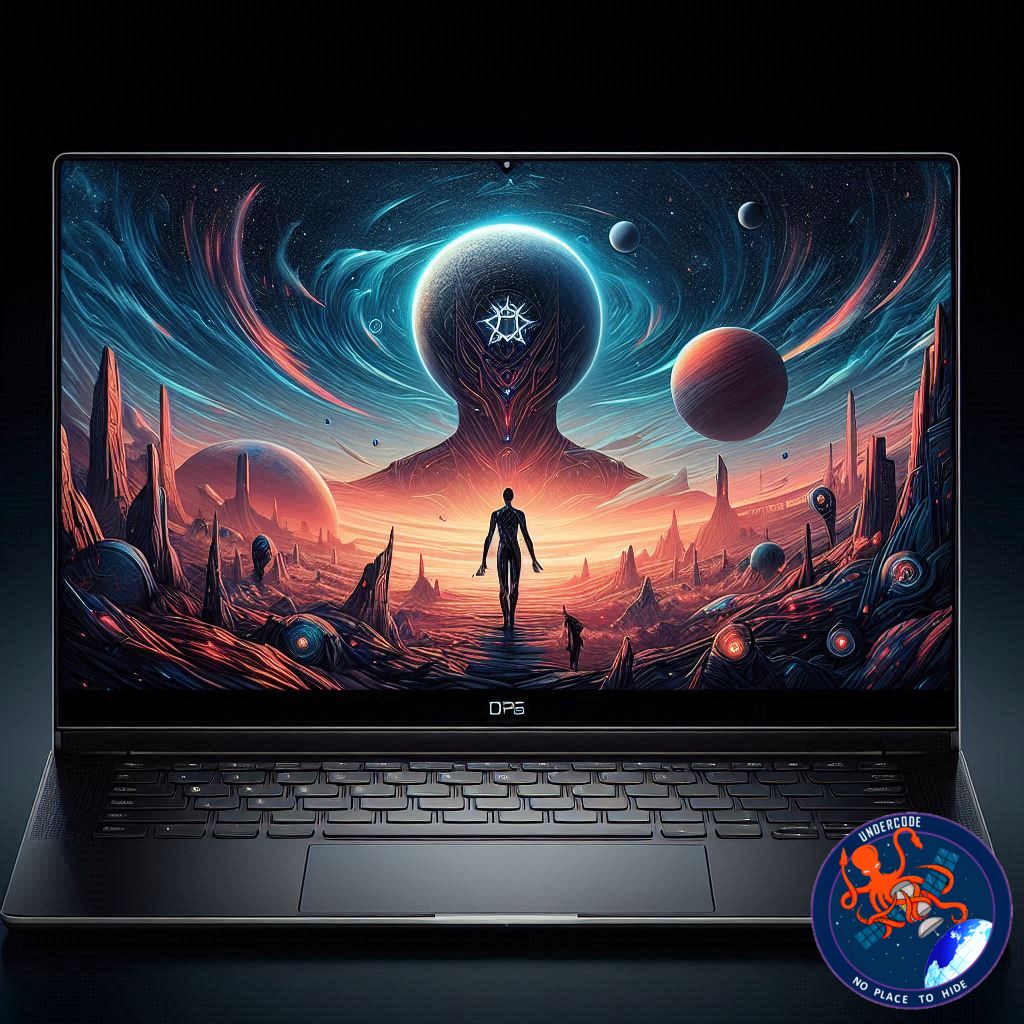
The Dell XPS line is making a remarkable comeback in 2026 with the all-new XPS 14 and XPS 16. After a period of experimentation and rebranding, Dell has returned to its beloved XPS series with a complete redesign that balances elegance, performance, and usability. At CES 2026, these laptops stole the spotlight, signaling Dell’s commitment to modern aesthetics, powerful performance, and practical functionality. Lightweight yet sturdy, the new XPS models aim to redefine what premium ultrabooks can deliver in both productivity and creative workflows.
Early Impressions and Redesign Highlights
Dell has reimagined the XPS 14 and XPS 16 from the ground up. Gone are the virtual function keys and subtle trackpad outlines that frustrated previous generations. In their place, physical Function keys and more visible trackpads enhance usability and accessibility. The overall design is thinner, lighter, and decidedly more modern, with the XPS logo on the lid emphasizing its ultrabook identity rather than an office-centric look. The aluminum chassis feels solid, and the laptops maintain the lightweight profile expected from premium devices, weighing just 3.0 lbs (XPS 14) and 3.65 lbs (XPS 16).
Specs Overview
Both models are powered exclusively by Intel Core Ultra 300 series processors, with no discrete graphics options. Instead, they rely on Intel Arc Graphics and integrated Intel solutions to deliver a balance of creative and productivity performance. Memory scales up to 64GB LPDDR5x, and storage options reach 4TB PCIe 5.0. Displays are OLED InfinityEdge panels, offering 2.8K resolution for the 14-inch model and 3.2K for the 16-inch, both supporting 100% DCI-P3 color gamut and VESA DisplayHDR True Black 500. Connectivity includes three Thunderbolt 4 ports and a 3.5mm universal audio jack, alongside Wi-Fi 7 and Bluetooth 6.0 for modern wireless needs.
Price and Availability
The Dell XPS 14 and XPS 16 go on sale in the US on January 6, 2026. Pricing starts at $1,649.99 for the XPS 14 and $1,849.99 for the XPS 16, with additional configurations and global availability rolling out in the coming months. Dell has kept initial configurations limited, which suggests pricing may fluctuate slightly once more options are introduced.
Design and Build Quality
The most noticeable improvement lies in the design. Both laptops feel lighter and sturdier, and their aesthetic is far more modern than previous iterations. The keyboard offers satisfying key travel, while the trackpad is now easier to locate visually. Audio performance is supported by a series of hidden speakers along the sides, delivering clear and loud sound. The 8MP 4K HDR webcams further reinforce the premium nature of these devices, catering to video conferencing and content creation. OLED displays are vibrant, with deep blacks and accurate color reproduction, making the XPS line highly appealing for designers, creators, and general users alike.
Performance Considerations
While Dell’s removal of discrete graphics may concern gamers or professionals requiring GPU-intensive tasks, Intel’s new Panther Lake chips promise to bridge the gap. The absence of Nvidia options means users must rely on integrated performance, but early impressions suggest that for most creative and productivity workflows, these processors should suffice. Battery life is also promising with a 70WHr unit in both models, though full benchmarks are still pending.
What Undercode Say:
The return of the Dell XPS 14 and XPS 16 represents a careful recalibration by Dell after last year’s controversial rebranding. By removing discrete graphics, Dell is signaling confidence in Intel’s integrated solutions while simplifying configurations and potentially reducing costs. This is a risky but calculated move, as Intel’s Core Ultra 300 series must meet the high expectations set by previous XPS laptops.
From a design perspective, the laptops address several longstanding usability complaints. The reinstatement of physical Function keys, along with better-defined trackpads, makes the devices far more user-friendly for extended typing sessions and productivity tasks. The OLED InfinityEdge displays are likely to satisfy creative professionals who prioritize color accuracy and visual clarity.
The choice to focus exclusively on Intel chips also reflects broader industry trends: ultrabooks are becoming leaner, more power-efficient, and increasingly reliant on integrated graphics solutions for everyday tasks. This positions Dell to compete directly with other premium ultrabooks like Apple’s MacBook Pro M3 series and Lenovo’s ThinkPad X1 line.
On the business side, Dell is leveraging its scale to absorb potential price increases in RAM and storage, allowing the XPS to remain competitive despite global component cost fluctuations. However, early adopters in regions outside the US will have to wait for availability, which may create temporary pent-up demand and influence pricing dynamics.
The laptops’ sleek, lightweight design paired with a high-quality build and OLED display offers an appealing balance of portability and performance. While discrete GPU-dependent tasks may suffer, the real-world usage for most users—from coding, office work, and media editing—is unlikely to be negatively impacted. The emphasis on USB-C and Thunderbolt 4 reflects forward-looking connectivity priorities, even if some legacy users may lament the absence of USB-A ports.
Dell’s strategy seems to embrace minimalism without sacrificing capability. By consolidating performance into Intel’s latest integrated solutions, the company reduces thermal complexity and maximizes battery efficiency, a critical factor for ultrabooks. If the Panther Lake processors deliver as expected, the 2026 XPS models could set a new benchmark for balanced, high-end ultrabooks.
In summary, the Dell XPS 14 and XPS 16 represent a thoughtful blend of modern design, solid performance, and usability improvements. They are likely to appeal to longtime XPS fans, new users seeking a premium laptop, and professionals who prioritize aesthetics and portability alongside productivity. The risk of omitting discrete graphics is balanced by strong processor performance, OLED displays, and a thoughtful return to usability-focused features.
Fact Checker Results
✅ Dell XPS 14 & XPS 16 launch on January 6, 2026 in the US.
✅ Starting prices: $1,649.99 (XPS 14) and $1,849.99 (XPS 16).
❌ No global release date or pricing for other regions has been confirmed yet.
Prediction
The Dell XPS 14 and XPS 16 2026 are likely to redefine consumer expectations for premium ultrabooks. 🌟 With improved design, OLED displays, and Intel Core Ultra 300 series processors, these laptops could dominate the productivity and creative ultrabook market, challenging competitors like Apple and Lenovo. The absence of discrete graphics may limit gaming appeal, but for professionals and content creators, the balance of performance, portability, and design positions Dell as a strong leader for 2026. 🚀
▶️ Related Video (78% Match):
🕵️📝✔️Let’s dive deep and fact‑check.
References:
Reported By: www.techradar.com
Extra Source Hub (Possible Sources for article):
https://www.quora.com
Wikipedia
OpenAi & Undercode AI
Image Source:
Unsplash
Undercode AI DI v2
Bing
🔐JOIN OUR CYBER WORLD [ CVE News • HackMonitor • UndercodeNews ]
📢 Follow UndercodeNews & Stay Tuned:
𝕏 formerly Twitter 🐦 | @ Threads | 🔗 Linkedin | 🦋BlueSky | 🐘Mastodon


