
Listen to this Post
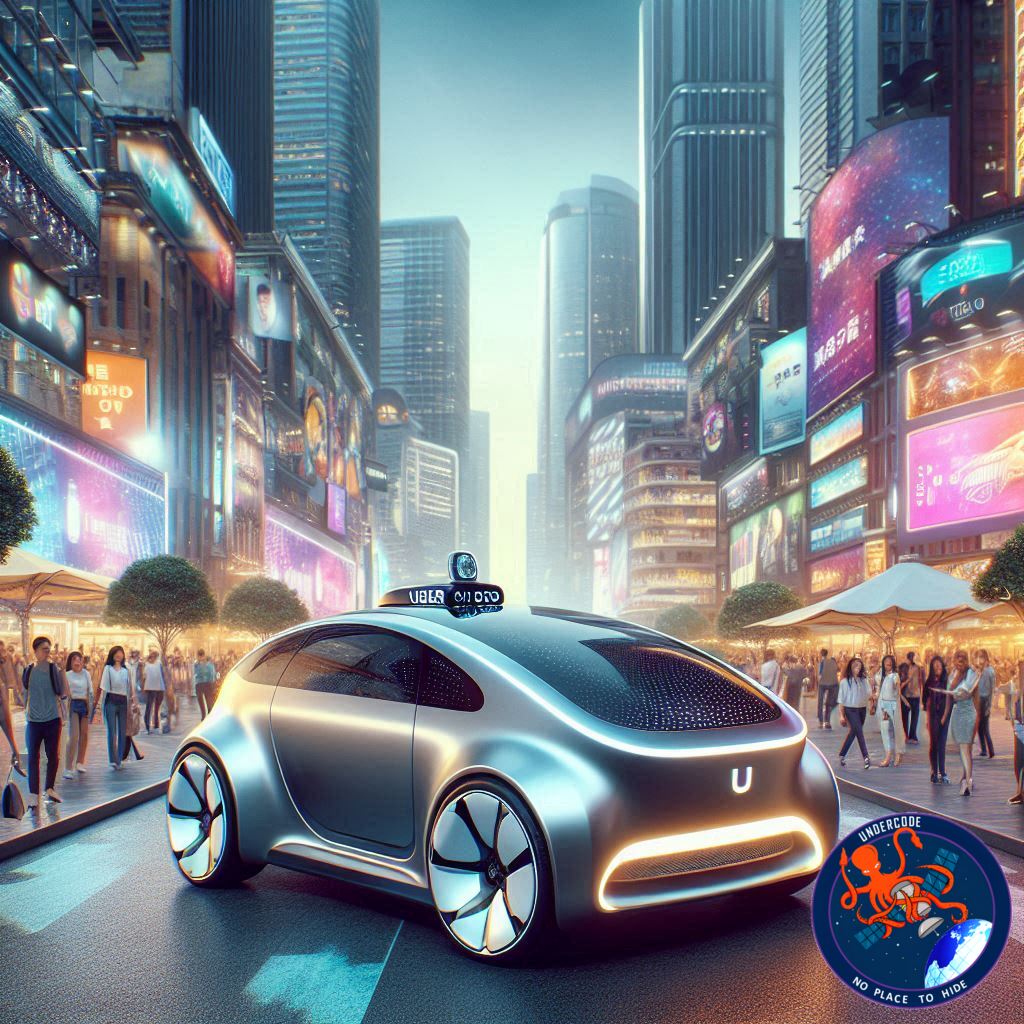
Autonomous vehicles are rapidly reshaping urban mobility, and the latest collaboration between Lucid Motors, Uber, and Nuro signals a bold step into the future of ride-sharing. By combining Lucid’s luxury Gravity SUV, Uber’s ride-hailing expertise, and Nuro’s cutting-edge autonomous driving technology, this initiative aims to deliver a seamless, fully driverless passenger experience. Set to debut at CES 2026, the program promises not only to enhance convenience but also to redefine how consumers perceive autonomous travel.
the Latest Developments
Lucid, Uber, and Nuro are joining forces to roll out an autonomous robotaxi service in the San Francisco Bay Area later this year. The project, first announced in 2025, envisions a fleet of over 20,000 Lucid Gravity SUVs equipped with Nuro Driver technology, all operated by Uber. Initial testing is already underway, with more than 100 robotaxis in the Engineering Test Fleet being monitored by autonomous vehicle operators.
The Lucid Gravity vehicles boast an advanced sensor suite, including high-resolution cameras, solid-state LiDAR, and radar sensors, providing a 360-degree perception system. A distinctive roof-mounted halo enhances visibility and helps riders identify their vehicle using integrated LED displays. Beyond safety, Uber is tailoring the interior experience specifically for passengers: interactive screens offer entertainment, climate control, and the ability to request vehicle maneuvers. Additionally, in-vehicle visualization displays the car’s real-time sensor data and route, bridging trust gaps for those hesitant about driverless technology.
Production of the Gravity SUVs for the program is scheduled at Lucid’s AMP-1 factory in Arizona. Uber’s choice of the Gravity stems from its comfort and reputation, including recognition in Car and Driver’s 10 Best for 2026. The sizable SUV design also ensures ample space for passengers and luggage, reinforcing a premium ride experience.
This development represents a growing trend in autonomous mobility, aiming to reduce reliance on human drivers. While companies like Tesla are also testing autonomous fleets—such as the Cybercab in Austin and the Bay Area—the Lucid-Uber-Nuro partnership seeks to establish an early foothold in the U.S. robotaxi market. Tesla is progressing slowly with its Cybercab, which lacks a steering wheel or pedals and will require Level 5 autonomy before public deployment. Meanwhile, Lucid’s approach leverages existing ride-sharing infrastructure to deliver immediate utility and accessibility.
Tesla’s ecosystem is seeing other complementary upgrades as well. In Germany, Giga Berlin’s “Giga Train” employee shuttle service has expanded to six daily trips, reducing commuting time for workers and receiving positive reviews. This mirrors the broader theme of integrating transportation innovation, both autonomous and human-operated, into everyday life.
Political and regulatory developments may also play a role in shaping the autonomous vehicle landscape. Tesla CEO Elon Musk’s renewed rapport with former President Donald Trump could translate into reduced regulatory scrutiny and favorable trade policies, creating a more supportive environment for companies like Tesla and Lucid. Past initiatives under Trump have relaxed reporting requirements, streamlined autonomous vehicle standards, and incentivized domestic manufacturing—factors that could accelerate robotaxi deployments across the U.S.
What Undercode Says:
Strategic Collaboration Strengthens Market Position
By combining Lucid’s high-end vehicle platform, Uber’s ride-hailing expertise, and Nuro’s autonomous tech, the companies position themselves as first movers in a competitive robotaxi market. Early deployment in the Bay Area offers a testbed for public adoption while building consumer confidence in driverless vehicles.
Rider Experience as a Differentiator
The focus on in-cabin experience—interactive screens, climate control, and real-time visualization of sensors—is a strategic move to ease passenger anxiety and enhance comfort. This is particularly crucial in luxury vehicles where the user experience becomes a competitive advantage.
Technology Integration and Safety
The Gravity SUV’s sensor array, including LiDAR and a 360-degree perception model, paired with the halo for visibility, demonstrates that safety and passenger identification are being prioritized. This combination may set a benchmark for autonomous ride-sharing.
Competitive Landscape and Market Timing
Tesla’s Cybercab program, despite being high-profile, is progressing cautiously due to its fully autonomous design without human backup. Lucid-Uber-Nuro’s model, by contrast, leverages supervised prototypes initially, allowing faster public launch and iterative improvements. Early entry could capture market share in a fragmented U.S. robotaxi market.
Regulatory and Political Influence
Tesla’s and Lucid’s long-term success could benefit from deregulated frameworks and supportive domestic trade policies. Musk’s alignment with former political leadership may reduce barriers to nationwide deployment, and similar partnerships could benefit from these regulatory trends.
Operational and Production Insights
Manufacturing at Lucid’s AMP-1 facility indicates scalability potential. With over 20,000 vehicles planned, the program is not just experimental—it signals serious intent to operationalize autonomous ride-sharing at scale.
Broader Mobility Implications
This initiative reflects a broader shift towards autonomous, multimodal urban transport. If successful, it could reduce congestion, lower labor costs, and redefine commuter expectations in metropolitan areas.
🔍 Fact Checker Results
✅ Lucid Gravity SUV production at AMP-1 factory confirmed.
✅ Uber is customizing the interior experience for robotaxi passengers.
❌ Exact public launch date for the Bay Area has not been officially disclosed; “later this year” is approximate.
📊 Prediction
The Lucid-Uber-Nuro robotaxi program is likely to spark a surge in autonomous ride-sharing adoption within the Bay Area, potentially expanding to other U.S. cities within 2–3 years. Given the luxury positioning and technological sophistication of the Gravity SUV, this program may initially attract early adopters and tech-savvy riders, establishing a loyal user base. Meanwhile, competitors like Tesla will continue to advance Level 5 autonomy, but Lucid’s combination of safety, comfort, and rapid deployment may give it a temporary advantage in both market penetration and consumer trust.
The integration of interactive in-vehicle technology could set new standards for passenger experience, influencing future autonomous vehicle designs across the industry. Politically, favorable policies and deregulation may accelerate adoption, while consumer education and trust-building initiatives will remain critical for mainstream acceptance.
The stage is set for a new era in urban mobility—one where autonomous SUVs like the Lucid Gravity could become a fixture on city streets, blending luxury, technology, and convenience in a driverless future.
🕵️📝✔️Let’s dive deep and fact‑check.
References:
Reported By: www.teslarati.com
Extra Source Hub (Possible Sources for article):
https://www.instagram.com
Wikipedia
OpenAi & Undercode AI
Image Source:
Unsplash
Undercode AI DI v2
Bing
🔐JOIN OUR CYBER WORLD [ CVE News • HackMonitor • UndercodeNews ]
📢 Follow UndercodeNews & Stay Tuned:
𝕏 formerly Twitter 🐦 | @ Threads | 🔗 Linkedin | 🦋BlueSky | 🐘Mastodon


