
Listen to this Post
Introduction: A Digital Attack on a Traditional Industry
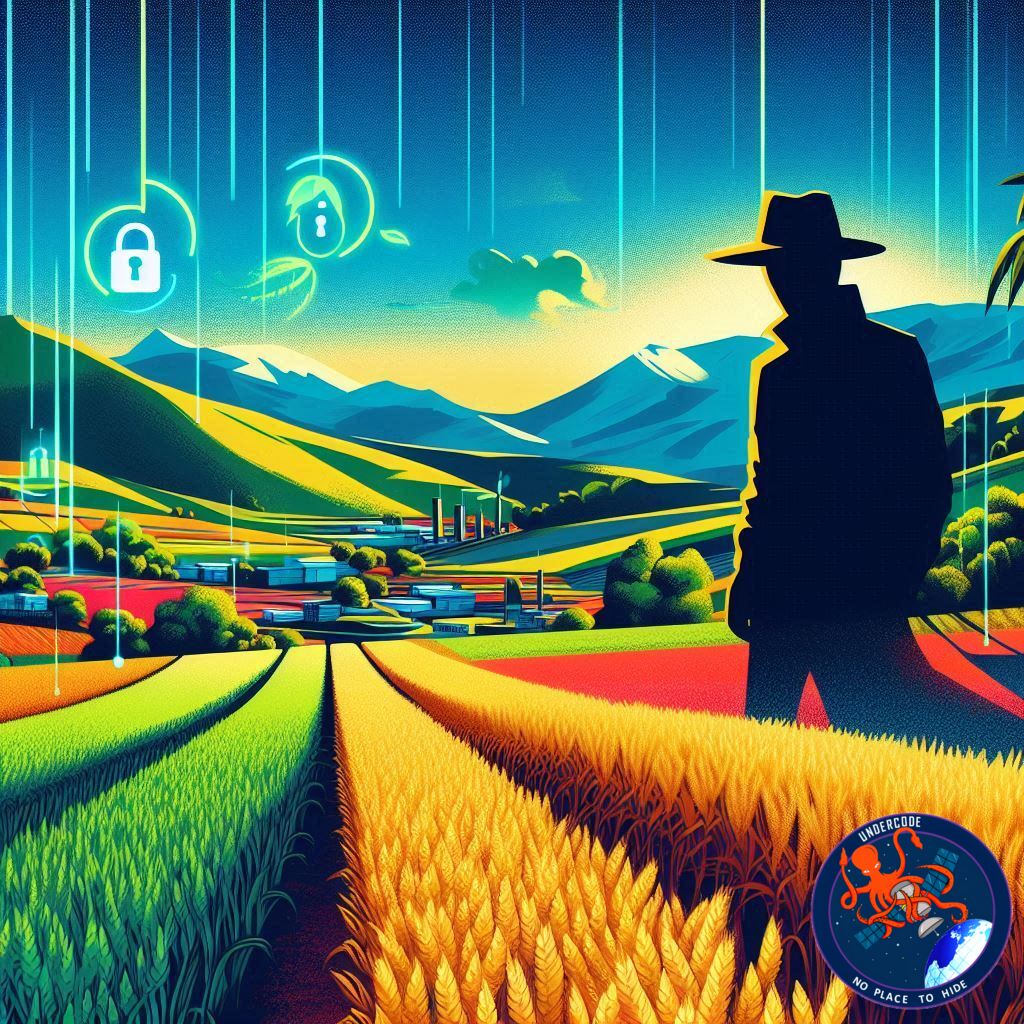
Colombia’s agriculture sector has become the latest target of a sophisticated ransomware operation, highlighting how cybercrime is no longer confined to banks, tech firms, or governments. Granos y Cereales, a Colombian agro-industrial company known for processing rice and dry legumes, has reportedly suffered a data compromise and encryption attack attributed to the Lynx threat actor. While agriculture is often viewed as a low-tech, physical industry, this incident underscores a growing reality: modern food supply chains are deeply digital, and therefore increasingly vulnerable to cyber threats.
the Original Report
The incident was first highlighted by Cybersecurity News Everyday via its ThreatResearch and RansomMonitor channels. According to the report, the Lynx ransomware group successfully infiltrated Granos y Cereales’ systems and encrypted critical data. This type of attack typically renders internal systems unusable until a ransom is paid or backups are restored, often causing operational paralysis.
Granos y Cereales operates within Colombia’s agro-industrial landscape, specializing in rice and dry legume processing—products that play a key role in both domestic consumption and regional trade. An attack on such a company does not only affect internal IT infrastructure; it can disrupt procurement, production schedules, logistics, and even food availability.
The report emphasizes the broader impact on Colombia’s agricultural sector, suggesting that this incident is not an isolated technical issue but part of a wider trend. Cybercriminal groups are increasingly targeting “AgTech” and food-related companies, viewing them as high-pressure victims likely to pay ransoms quickly to resume operations.
Although the public post does not disclose whether data was exfiltrated or a ransom demand issued, the use of encryption strongly indicates a classic ransomware playbook. The Lynx group, like many modern threat actors, is known for combining system lockdown with the threat of data leaks to maximize leverage over victims.
What Undercode Say:
Agriculture Is No Longer a Low-Value Target
For years, cybersecurity strategies in agriculture lagged behind sectors like finance or energy. This attack reinforces that assumption is now dangerous. Agro-industrial firms rely on ERP systems, IoT-enabled machinery, logistics software, and supplier databases. From a ransomware actor’s perspective, this is a goldmine of sensitive operational data with high urgency for recovery.
Ransomware Economics Favor Food Supply Pressure
Ransomware groups understand one key fact: food production cannot pause for long. Delays in processing rice or legumes can lead to spoilage, missed contracts, and cascading supply chain failures. This time sensitivity increases the likelihood that companies will negotiate or pay, making agriculture an attractive target despite thinner margins compared to tech firms.
Colombia’s Growing Digital Footprint Comes With Risk
Colombia has been rapidly modernizing its agricultural sector, adopting digital tools to improve efficiency and export competitiveness. However, cybersecurity maturity has not always kept pace with this transformation. Smaller and mid-sized agro-industrial firms often lack dedicated security teams, making them softer targets for organized cybercrime groups like Lynx.
Lynx’s Strategy Reflects a Broader Trend
The Lynx threat actor’s involvement fits a larger pattern seen globally: ransomware groups diversifying targets beyond Western corporations and into emerging markets. Latin America, in particular, has seen a rise in attacks due to a combination of expanding digital infrastructure and uneven security enforcement.
The Hidden Cost Beyond Ransom Payments
Even if a ransom is not paid, the financial damage can be severe. Downtime, forensic investigations, system rebuilds, legal exposure, and reputational harm often exceed the ransom itself. For a food processor, loss of trust from farmers, distributors, and retailers can linger long after systems are restored.
A Wake-Up Call for AgTech Security
This incident should act as a warning across the region. Basic controls such as network segmentation, offline backups, employee phishing awareness, and incident response planning are no longer optional. Cybersecurity must be treated as part of operational resilience, just like equipment maintenance or quality control.
Fact Checker Results
The attack attribution to the Lynx threat actor aligns with known ransomware reporting channels.
The victim, Granos y Cereales, is accurately identified as a Colombian agro-industrial processor.
No public evidence currently confirms ransom payment or data leak publication.
Prediction
Cyberattacks on agricultural and food-processing companies in Latin America will increase over the next year as ransomware groups pursue high-pressure, under-protected sectors. Companies that fail to integrate cybersecurity into their core operational strategy are likely to face not just digital disruption, but real-world supply chain consequences.
🕵️📝✔️Let’s dive deep and fact‑check.
References:
Reported By: x.com
Extra Source Hub (Possible Sources for article):
https://www.github.com
Wikipedia
OpenAi & Undercode AI
Image Source:
Unsplash
Undercode AI DI v2
Bing
🔐JOIN OUR CYBER WORLD [ CVE News • HackMonitor • UndercodeNews ]
📢 Follow UndercodeNews & Stay Tuned:
𝕏 formerly Twitter 🐦 | @ Threads | 🔗 Linkedin | 🦋BlueSky | 🐘Mastodon


