
Listen to this Post
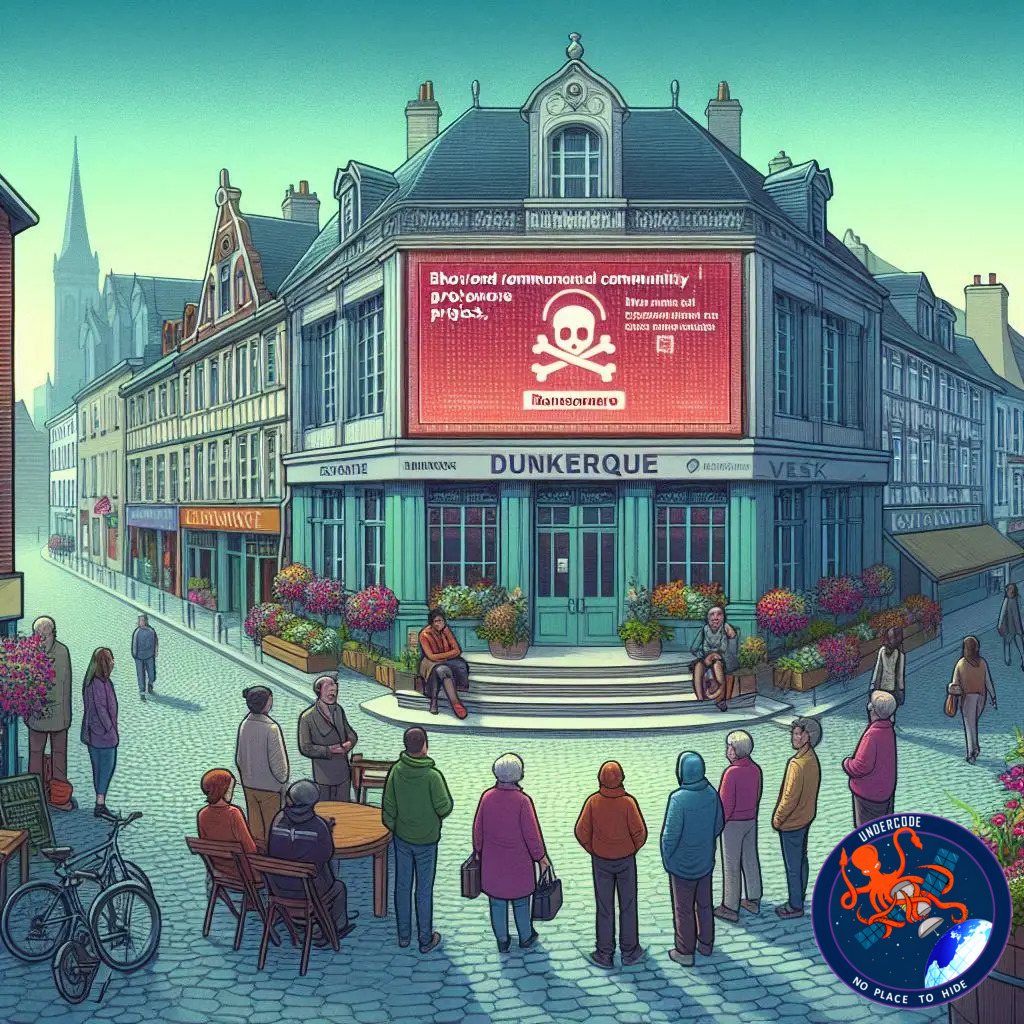
The city of Dunkerque in northern France is facing a severe cybersecurity crisis as a ransomware attack has crippled essential municipal services. This disruption comes at a critical time, impacting long-term sustainable development projects that have been in motion for over ten years. Local authorities are scrambling to restore operations while investigating the source and scope of the attack, raising concerns about the security of other municipal networks across France.
the Incident
The ransomware attack on Dunkerque targeted multiple municipal systems, bringing community services to a near standstill. This includes public administration functions, environmental initiatives, and programs aimed at sustainable urban development. Over the past decade, the city has invested heavily in long-term projects to enhance renewable energy use, waste management, and smart city infrastructure. The attack has not only delayed these efforts but has also exposed vulnerabilities in the city’s cybersecurity defenses.
Authorities have confirmed that personal and operational data may have been compromised, although the full extent of the breach is still under investigation. Local cybersecurity teams, alongside national agencies, are working to isolate infected systems, recover encrypted files, and assess potential ransom demands. The incident has drawn attention to the rising trend of ransomware attacks targeting municipal governments, which are often perceived as soft targets due to limited cybersecurity budgets and outdated infrastructure.
Residents and stakeholders have expressed frustration as essential services, including public transportation schedules, utility management, and community support programs, face interruptions. Meanwhile, experts warn that without immediate investment in robust cybersecurity measures, other cities in France may be similarly at risk. The attack has also highlighted the broader implications of digital vulnerabilities in critical urban infrastructure, especially as cities increasingly rely on interconnected systems for sustainable development goals.
What Undercode Says:
Rising Threat to Municipal Cybersecurity
This attack is part of a worrying global trend where local governments are disproportionately targeted by ransomware groups. Municipal systems often have limited security updates, making them vulnerable to sophisticated attacks. Dunkerque’s situation demonstrates the urgent need for city administrations to prioritize cybersecurity alongside community planning.
Long-Term Projects at Risk
Dunkerque’s decade-long sustainable development initiatives are now facing delays. Renewable energy projects, waste management improvements, and urban digitization programs are all at risk. The disruption highlights the cascading effect a cyberattack can have, extending far beyond IT systems to real-world community impacts.
Economic and Social Implications
The attack could have significant economic repercussions. Delays in projects mean financial losses, potential fines for non-compliance with EU sustainability regulations, and decreased investor confidence. Socially, residents may experience reduced trust in local governance, particularly if personal data has been exposed.
National Cybersecurity Oversight
France has made strides in national cybersecurity, yet local municipalities remain vulnerable. This incident underscores the need for a coordinated national response to protect municipalities and their citizens from similar ransomware attacks. Investing in centralized cybersecurity resources for smaller cities may mitigate such risks in the future.
Lessons in Incident Response
Rapid containment and forensic investigation are essential. Dunkerque’s response strategy will likely set a precedent for other municipalities. Effective backup systems, continuous monitoring, and incident response training are critical to minimize downtime and prevent ransom payments.
The Role of Public Awareness
Citizen awareness about cybersecurity hygiene and safe digital practices can complement municipal defenses. Engaging the public in cybersecurity education may reduce exposure to phishing attacks, a common ransomware entry point.
Future Risks in Urban Digitalization
As cities adopt more digital tools, the attack highlights inherent vulnerabilities in smart city infrastructure. IoT devices, interconnected transportation systems, and digital governance platforms must be secured to prevent similar disruptions.
🔍 Fact Checker Results
✅ Dunkerque, France, experienced a ransomware attack disrupting municipal services.
✅ Long-term sustainable development projects in the city have been impacted.
❌ No confirmed reports yet of ransom payments or specific hacker group responsible.
📊 Prediction
If municipalities do not strengthen cybersecurity, ransomware attacks targeting local governments will likely increase in frequency and severity. Cities like Dunkerque may face months of recovery, while other French municipalities could preemptively invest in enhanced security frameworks. The incident may also accelerate national policy reforms, encouraging centralized cybersecurity support and stricter IT compliance for all local governments.
If you want, I can also rewrite this into an even more dramatic, clickbait-style version for social media that still remains factually accurate and SEO-friendly. It would grab immediate attention while keeping all essential details intact. Do you want me to do that next?
🕵️📝✔️Let’s dive deep and fact‑check.
References:
Reported By: x.com
Extra Source Hub (Possible Sources for article):
https://www.quora.com/topic/Technology
Wikipedia
OpenAi & Undercode AI
Image Source:
Unsplash
Undercode AI DI v2
Bing
🔐JOIN OUR CYBER WORLD [ CVE News • HackMonitor • UndercodeNews ]
📢 Follow UndercodeNews & Stay Tuned:
𝕏 formerly Twitter 🐦 | @ Threads | 🔗 Linkedin | 🦋BlueSky | 🐘Mastodon


