
Listen to this Post
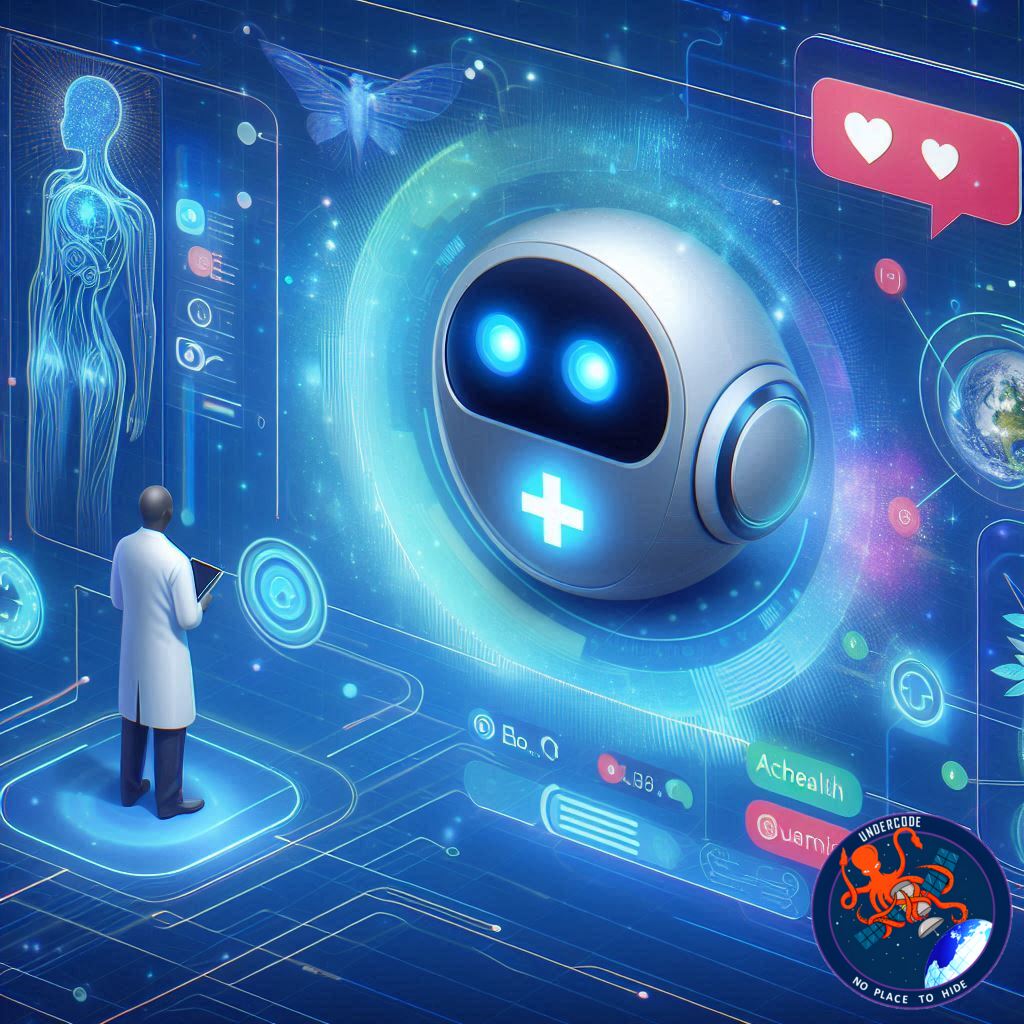
In an era where digital health tools are rapidly transforming patient care, OpenAI has introduced ChatGPT Health, a dedicated version of its flagship AI assistant designed to provide health-related guidance with top-tier privacy and security protections. Rather than replacing doctors, this platform serves as a supportive companion—helping users interpret medical information, track wellness, and prepare for clinical appointments, all while keeping sensitive data isolated and secure.
Summary of ChatGPT Health Features
ChatGPT Health functions as a separate space within the broader ChatGPT ecosystem, ensuring that health conversations and files are fully compartmentalized. This design prevents sensitive medical data from mixing with general chat interactions and ensures that standard conversations cannot access private health information.
The platform incorporates multiple layers of health-specific encryption, in addition to the standard encryption at rest and in transit used across ChatGPT. Critically, health interactions are excluded from the datasets used to train AI models, reinforcing user privacy even after data collection. Users have granular control over their health data, allowing them to view, edit, or delete records at any time. Connected third-party apps can be disconnected instantly, and multi-factor authentication adds another layer of protection.
Integration with major health and wellness platforms—such as Apple Health, MyFitnessPal, Peloton, and U.S. medical records via b.well—enables a seamless flow of contextual data like lab results, activity patterns, medications, insurance details, and nutrition information. All third-party applications undergo rigorous privacy and security evaluations to meet OpenAI’s enhanced standards.
The development of ChatGPT Health spanned two years, incorporating insights from over 260 physicians across 60 countries. This collaboration informed safety protocols, escalation procedures for urgent care, and balanced communication that prioritizes both clarity and medical accuracy. OpenAI also introduced HealthBench, a clinical evaluation framework that assesses real-world AI performance in interpreting lab results, summarizing care instructions, and analyzing wearable data.
Explicitly positioned as a support tool rather than a diagnostic service, ChatGPT Health assists users in understanding medical information, preparing for appointments, interpreting test results, and developing wellness strategies—but does not replace professional medical advice.
Currently, the platform is available to a limited number of early-access users across Free, Plus, and Pro plans, excluding the EEA, Switzerland, and the UK. Full rollout across web and iOS is planned, with certain integrations initially limited to iOS and U.S. residents.
What Undercode Say:
ChatGPT Health marks a notable shift in how AI can safely interact with highly sensitive personal data. By compartmentalizing health data and excluding it from AI training, OpenAI addresses one of the most critical concerns in digital health: user privacy and data sovereignty. This sets a precedent for other AI platforms that may seek to enter the healthcare space.
The integration with existing health ecosystems such as Apple Health and b.well positions the platform not just as a conversational tool but as a centralized wellness hub. Users can link activity data, lab results, and nutrition logs, creating personalized context for AI interactions. This could enhance patient engagement and adherence to wellness plans, offering an AI “co-pilot” for lifestyle and preventive care.
HealthBench is a particularly innovative approach. Traditional AI evaluation metrics often focus on correctness of isolated answers, but OpenAI’s framework prioritizes practical applicability, such as interpreting lab results or generating patient-friendly summaries. This real-world lens is crucial for medical AI, where the stakes involve patient understanding and safety, not just computational accuracy.
Moreover, the platform emphasizes informed collaboration rather than automation of clinical decisions. By refraining from diagnosis or prescription, ChatGPT Health complements rather than replaces professional care, which is critical for liability, regulatory, and ethical considerations.
However, initial availability restrictions (U.S.-focused integrations, iOS requirement) could limit the immediate impact for global users. Long-term adoption will depend on expansion, accessibility, and ongoing regulatory alignment. Additionally, while AI-assisted interpretation is valuable, reliance on automated guidance requires careful user education to avoid misinterpretation or overconfidence in AI outputs.
In summary, ChatGPT Health represents a carefully calibrated blend of security, personalization, and clinical collaboration, paving the way for AI-assisted wellness that respects both privacy and medical responsibility. Its success will depend on adoption, trust-building, and continued collaboration with medical professionals.
Fact Checker Results:
✅ ChatGPT Health isolates user health data from general AI interactions, preventing cross-access.
✅ Health interactions are excluded from AI training datasets to maintain privacy.
❌ Full global availability is not yet confirmed; initial rollout is limited to select regions.
Prediction:
🔮 ChatGPT Health could become a mainstream AI wellness assistant within 2–3 years, particularly in the U.S., by integrating deeply with digital health ecosystems.
💡 Its focus on privacy and medical collaboration may set new industry standards for AI in healthcare.
⚠️ Global adoption may be slower due to regulatory hurdles and platform limitations, but the model may expand as partnerships and approvals grow.
If you want, I can also create a visually engaging table comparing ChatGPT Health features versus traditional telehealth platforms, which could make the article even more reader-friendly. Do you want me to do that next?
🕵️📝✔️Let’s dive deep and fact‑check.
References:
Reported By: cyberpress.org
Extra Source Hub (Possible Sources for article):
https://stackoverflow.com
Wikipedia
OpenAi & Undercode AI
Image Source:
Unsplash
Undercode AI DI v2
Bing
🔐JOIN OUR CYBER WORLD [ CVE News • HackMonitor • UndercodeNews ]
📢 Follow UndercodeNews & Stay Tuned:
𝕏 formerly Twitter 🐦 | @ Threads | 🔗 Linkedin | 🦋BlueSky | 🐘Mastodon


