
Listen to this Post
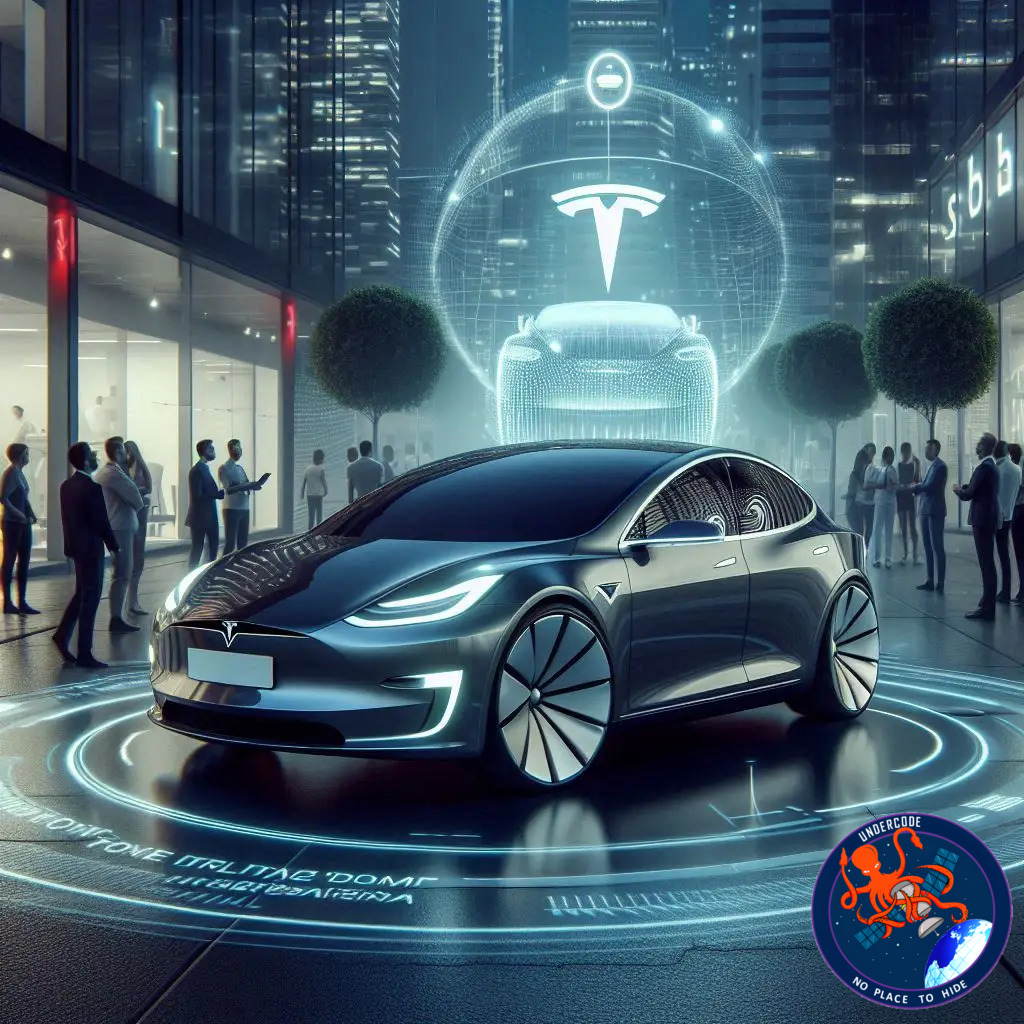
Elon Musk has confirmed a major change in Tesla’s approach to its Full Self-Driving (FSD) software, signaling a significant shift in the company’s business strategy and customer experience. Starting February 14, 2026, Tesla will stop selling FSD as a one-time purchase, offering it only through a monthly subscription. This move has stirred curiosity and concern among Tesla owners and prospective buyers, as it reshapes the way consumers access one of the company’s most ambitious driver-assistance technologies.
Tesla Announces End of One-Time FSD Purchases
Elon Musk announced via X (formerly Twitter) that Tesla will cease the one-time purchase option for FSD, which currently costs $8,000 in the U.S. or $99 per month through a subscription plan. After February 14, the software will be available exclusively as a monthly subscription. Musk’s brief post, though simple, has raised multiple questions from Tesla owners, particularly about pricing, transfers, and existing orders such as the Cybertruck with FSD included.
Understanding Tesla’s Full Self-Driving Software
Tesla’s Full Self-Driving package is an advanced driver-assistance system, yet despite its name, it does not make a Tesla fully autonomous. The software helps with driving tasks but still requires the driver to remain alert and in control at all times. Regulatory approvals and feature availability vary by region, and some capabilities may take longer to implement depending on local laws. Tesla itself clarified last year that FSD does not make vehicles autonomous, underscoring the gap between consumer expectations and current technological reality.
Owner Reactions and Questions
Musk’s announcement quickly triggered discussion among Tesla enthusiasts. Users on X raised questions about the future cost of FSD subscriptions, the ability to transfer FSD to a new vehicle, and what happens for existing buyers who have already included FSD in orders like the Cybertruck. The shift to subscription-only sales raises uncertainties for those who planned to own the software outright, creating both logistical and financial considerations for Tesla owners.
Tesla’s Evolving FSD Strategy
This change follows Tesla’s adjustment to the definition of FSD on its website, highlighting the system’s limitations and the dependency on active driver supervision. While the software continues to evolve, Tesla is clearly aligning its business model toward recurring revenue through subscriptions, a trend increasingly common in tech industries. The shift also allows Tesla to update and improve software continuously without requiring a new one-time purchase, creating a more flexible—but potentially more expensive—ownership experience.
Market and Business Implications
From a business standpoint, Tesla’s move reflects a growing trend in automotive technology toward service-based models rather than one-time hardware or software sales. Subscription models offer predictable revenue streams and closer engagement with customers. For Tesla, this could mean more consistent cash flow and an ability to scale software updates more efficiently. For consumers, however, it introduces ongoing costs and raises questions about long-term affordability and value compared to traditional ownership models.
Regulatory and Consumer Considerations
Regulatory authorities have increasingly scrutinized autonomous driving claims. By emphasizing that FSD does not make vehicles fully autonomous, Tesla reduces the risk of legal challenges while managing customer expectations. However, as subscription models become the norm, consumers may demand greater transparency about feature availability, performance metrics, and potential limitations tied to local regulations.
What Undercode Say:
Tesla’s decision to eliminate the one-time FSD purchase is a calculated pivot in both marketing and financial strategy. The move positions the company to benefit from ongoing revenue while providing more control over software updates and feature deployment. Economically, subscriptions reduce the initial barrier for new buyers but introduce recurring costs that could accumulate substantially over time. For example, at $99 per month, an owner could pay $1,188 annually—exceeding the current one-time price in less than seven years, raising questions about long-term affordability and customer retention.
Technologically, this transition suggests Tesla is moving toward a model where updates and improvements are continuous rather than tied to a static purchase. This could accelerate feature rollout and ensure all subscribers have access to the latest software versions simultaneously. However, this also places pressure on Tesla to deliver meaningful updates regularly; failure to meet expectations may erode trust and create frustration among the subscriber base.
From a market perspective, the shift could influence competitors in the EV sector to adopt similar subscription models for advanced driver-assistance systems. It also highlights the tension between marketing claims and technological reality—consumers may perceive FSD as a fully autonomous system despite Tesla’s disclaimers, making communication and regulatory clarity crucial.
Financially, this model introduces a stable revenue stream but creates potential churn risk. Consumers may subscribe temporarily and cancel if value perception decreases. Tesla’s challenge will be maintaining subscriber engagement through tangible software improvements, possibly integrating AI-driven predictive driving enhancements or region-specific feature optimization.
Strategically, Tesla’s decision aligns with broader tech-industry trends toward recurring revenue models, seen in software-as-a-service, gaming, and digital platforms. By transitioning FSD to a subscription, Tesla strengthens its software ecosystem, positioning itself as both an automotive manufacturer and a tech service provider. This could influence the company’s valuation, investor confidence, and competitive positioning over the next decade.
The impact on consumers is multifaceted. While subscription access democratizes initial adoption, long-term financial planning becomes more complex. Customers must weigh the benefits of continuous upgrades against cumulative subscription costs, and Tesla must ensure perceived value remains high to justify the recurring expense. The model also incentivizes Tesla to innovate continuously, creating a more dynamic relationship with its user base.
Tesla’s FSD subscription model reflects a broader societal trend toward “ownership as access,” where continuous service provision supersedes one-time purchases. This approach may redefine consumer expectations in the automotive industry, emphasizing adaptability, regular upgrades, and technology integration over traditional ownership models.
In conclusion, Tesla’s move to a subscription-only FSD model is a strategic decision with profound implications for consumers, competitors, and the broader EV market. It merges financial foresight with technological evolution, but it also tests customer patience, regulatory clarity, and long-term market perception.
Fact Checker Results:
✅ FSD does not make Tesla vehicles fully autonomous.
✅ Tesla will end one-time FSD purchases after February 14, 2026.
✅ Subscription price in the U.S. is $99 per month.
Prediction:
📊 Tesla’s subscription-only FSD model may increase recurring revenue by 20–30% annually within the first three years.
📊 Consumer adoption may favor initial low-cost access, but long-term subscriptions could generate higher total expenditure than previous one-time purchases.
📊 Competitors may follow suit, accelerating the trend of service-based automotive technology in the EV sector.
▶️ Related Video (84% Match):
🕵️📝✔️Let’s dive deep and fact‑check.
References:
Reported By: timesofindia.indiatimes.com
Extra Source Hub (Possible Sources for article):
https://www.instagram.com
Wikipedia
OpenAi & Undercode AI
Image Source:
Unsplash
Undercode AI DI v2
Bing
🔐JOIN OUR CYBER WORLD [ CVE News • HackMonitor • UndercodeNews ]
📢 Follow UndercodeNews & Stay Tuned:
𝕏 formerly Twitter 🐦 | @ Threads | 🔗 Linkedin | 🦋BlueSky | 🐘Mastodon


