
Listen to this Post
Introduction: AI Ambition Meets Energy Reality
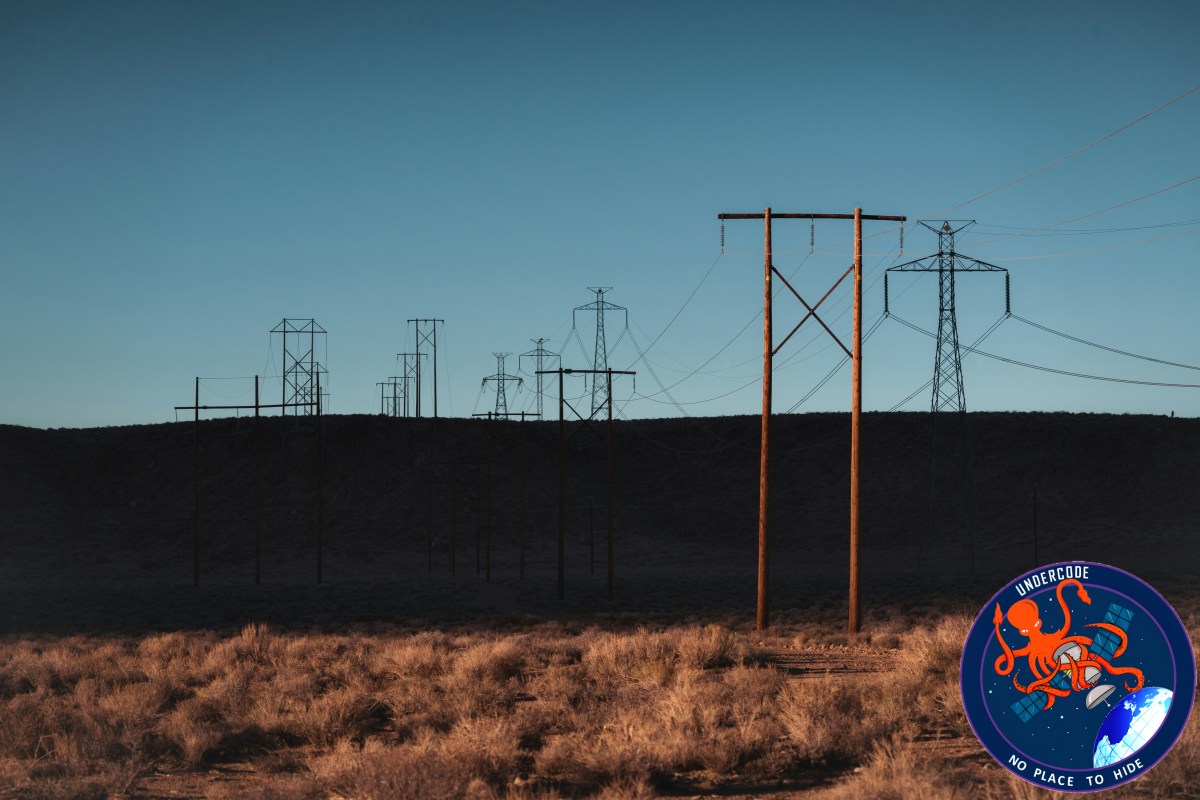
The rapid expansion of artificial intelligence has collided with an old but increasingly urgent problem: electricity. As data centers multiply and computing demands surge, the U.S. power grid is under strain. President Donald Trump’s administration is now pushing a controversial solution—asking major technology companies to help pay for new power generation. The political stakes are high. While the White House wants to keep the AI boom on track, Republicans are facing voter frustration as household electricity bills continue to rise. The effort exposes a deeper dilemma about who should pay for America’s energy future and how fast the system can adapt.
The Core Political Dilemma
At the heart of the debate is a simple tension with complex consequences. Artificial intelligence promises economic growth, technological leadership, and national competitiveness. But AI also consumes massive amounts of electricity, especially through energy-hungry data centers. Rising power demand risks driving up consumer electricity costs—an issue that consistently angers voters. For Republicans, this creates a political trap: championing AI innovation while being blamed for higher utility bills.
Why Electricity Prices Matter So Much
Electricity costs have no single cause. They are shaped by fuel prices, aging infrastructure, regulatory constraints, extreme weather, and shifting generation sources. Still, voters experience these complexities as a single monthly bill. As prices rise, political accountability follows. The administration understands that unchecked increases could turn energy into a decisive election issue, especially in swing states.
The Administration’s Urgent Objective
Officials are racing to enable a rapid buildout of AI data centers without transferring the full financial burden to households. The goal is to expand power generation fast enough to meet AI demand while shielding consumers from further price shocks. This balancing act has become central to the administration’s energy and technology strategy.
The PJM Power Market at Center Stage
The focus of the initiative is PJM Interconnection, the nation’s largest grid operator, which manages electricity across parts of the Mid-Atlantic, Midwest, and South. PJM plays a critical role in deciding how new power generation is planned, priced, and integrated into the grid. Any reform within PJM has ripple effects across more than a dozen states.
Governors and Trump Officials Align
On Friday, senior Trump administration officials joined governors from Pennsylvania, Ohio, Virginia, and other states to pressure PJM into action. Their request: hold a special auction that would allow technology companies to bid on 15-year contracts for new power generation capacity. This long-term commitment is designed to encourage developers to invest in new plants with greater financial certainty.
A Multi-State Agreement Takes Shape
The initiative was formalized through a joint set of “principles” signed by Trump officials and governors from 13 states. The agreement reflects rare bipartisan alignment, driven by shared concern over electricity prices and grid reliability. It signals that energy affordability has become politically unavoidable, regardless of party lines.
Extending the Price Cap
One of the key provisions in the agreement is a call for PJM to extend its existing price cap on power auctions for another two years. Supporters argue that this measure protects consumers from sudden spikes in electricity costs while new generation is being planned and built.
Making Data Centers Pay Their Share
Perhaps the most consequential proposal is the requirement that data centers pay for new power generation built on their behalf—whether or not they end up using all of that electricity. This shifts financial responsibility directly onto large tech firms rather than spreading costs across ordinary ratepayers.
The $15 Billion Promise
The Interior Department claims the plan could unlock more than $15 billion in new power-generation projects. If realized, this would represent one of the most significant expansions of U.S. energy infrastructure tied specifically to AI and data center growth.
Corporate Winners Emerge Quickly
Financial markets reacted immediately. Analysts identified GE Vernova, a major manufacturer of natural gas turbines, as the clearest winner. The company’s stock jumped nearly 6% following the announcement, reflecting investor confidence that gas-fired plants will play a major role in meeting AI-driven demand.
Energy Companies Also Benefit
Other power companies, including NRG Energy, PPL Corp., and NextEra Energy, were also seen as beneficiaries. Long-term contracts and guaranteed demand from tech companies reduce risk and improve financing prospects for new generation projects.
Not Everyone Celebrates
While some companies gained, others lost ground. Shares of major independent power producers such as Talen Energy and Vistra declined. Investors appear uncertain about how new market rules might reshape competition and profitability within PJM’s territory.
Bipartisan Politics Behind the Scenes
The initiative underscores how politically sensitive electricity prices have become. It brings together the White House and governors from both parties, including Pennsylvania Governor Josh Shapiro, a Democrat widely seen as a potential 2028 presidential contender.
Shapiro’s Longstanding Criticism of PJM
Governor Shapiro has been vocal about the need for reform within PJM. He argues that residents have been paying more for electricity without seeing meaningful improvements in reliability or affordability. His support for capping auction prices reflects broader frustration at the state level.
Blame Shifts to the Biden Era
Trump administration officials used the announcement to point fingers at previous policies. Energy Secretary Chris Wright argued that closures of coal and natural gas plants during the Biden administration created today’s energy emergency by reducing supply without adequate replacements.
Democrats Push Back
Many Democrats and energy analysts dispute that narrative. They argue that the administration’s resistance to renewable energy is slowing the fastest and cheapest sources of new power. From their perspective, limiting renewables worsens shortages and drives up prices.
The Case for Clean Energy Inclusion
Electricity analyst Rob Gramlich of Grid Strategies LLC argues that clean energy sources should be allowed to compete fully in PJM’s auctions. He notes that offshore wind and battery storage can offer comparable capacity value to gas plants, even if no energy source operates perfectly around the clock.
Questions About Legal and Structural Fit
Gramlich also raised doubts about whether the new deal fits within existing industry structures and regulatory frameworks. PJM operates under a complex web of state and federal rules, and sweeping changes could face legal challenges.
Reality Check on New Generation
Promises alone do not build power plants. Developers must navigate lengthy permitting processes, local opposition, and environmental reviews. Even with funding commitments, new projects often take years to complete.
Labor Shortages Add Another Barrier
A recent BlackRock analysis warns that worker shortages could significantly slow both data center construction and grid upgrades. Skilled labor constraints are emerging as a critical bottleneck in the energy transition.
Corporate Trends Already Point the Way
Despite these challenges, the policy builds on trends already underway. Large tech companies increasingly accept that they must help finance the infrastructure their operations depend on.
Microsoft Sets a Precedent
Just last week, Microsoft pledged to ensure its data centers do not raise electricity prices for consumers. The company committed to covering grid upgrade costs and supporting higher utility rates tied directly to its own energy use.
Federal Regulators Get Involved
The Department of Energy is pressing the Federal Energy Regulatory Commission to develop new rules requiring large data centers to fund grid improvements. This would formalize the “pay-your-own-way” principle at the federal level.
Virginia Leads With New Rate Categories
Virginia, home to the nation’s largest concentration of data centers, has already approved a new power rate category specifically for large industrial energy users. This move reflects growing recognition that traditional pricing models no longer fit the digital economy.
What Undercode Say: A Structural Shift, Not a Short-Term Fix
This initiative signals a deeper transformation in how energy infrastructure is financed in the AI era. For years, grid expansion costs were socialized across all consumers. Now, policymakers are testing whether massive digital users can be isolated financially from households. If successful, this model could redefine utility economics nationwide.
At the same time, the plan exposes contradictions in U.S. energy policy. Relying heavily on natural gas may provide speed and reliability, but it risks locking in fossil fuel dependence just as global pressure mounts for decarbonization. Excluding renewables from full participation could delay cheaper, cleaner capacity that markets are already prepared to deliver.
Politically, the bipartisan nature of the push suggests electricity affordability is becoming a unifying concern, even as climate and energy narratives remain polarized. The administration’s strategy appears less about ideology and more about electoral math: protect consumers, keep AI growing, and shift costs onto corporations best able to absorb them.
However, structural constraints—permitting delays, labor shortages, and regulatory complexity—mean results will not be immediate. Voters may feel pain long before benefits arrive. The success of this approach will depend on whether PJM can adapt quickly and whether tech companies accept these costs without slowing investment. In the long run, this moment may be remembered as the point when AI stopped being just a software story and became a defining force in America’s physical infrastructure debate.
Fact Checker Results
✅ The proposal does involve tech companies funding new power generation tied to data centers.
✅ PJM is central to the plan and serves multiple states across key U.S. regions.
❌ Claims that a single administration caused current price increases oversimplify a multi-year issue.
Prediction
🔮 Tech-funded power models will expand beyond PJM if early projects move forward.
🔮 Political pressure to include renewables will intensify as costs and timelines are scrutinized.
🔮 Electricity pricing will remain a defining election issue as AI demand accelerates.
🕵️📝✔️Let’s dive deep and fact‑check.
References:
Reported By: axioscom_1768595485
Extra Source Hub (Possible Sources for article):
https://www.github.com
Wikipedia
OpenAi & Undercode AI
Image Source:
Unsplash
Undercode AI DI v2
Bing
🔐JOIN OUR CYBER WORLD [ CVE News • HackMonitor • UndercodeNews ]
📢 Follow UndercodeNews & Stay Tuned:
𝕏 formerly Twitter 🐦 | @ Threads | 🔗 Linkedin | 🦋BlueSky | 🐘Mastodon


