
Listen to this Post
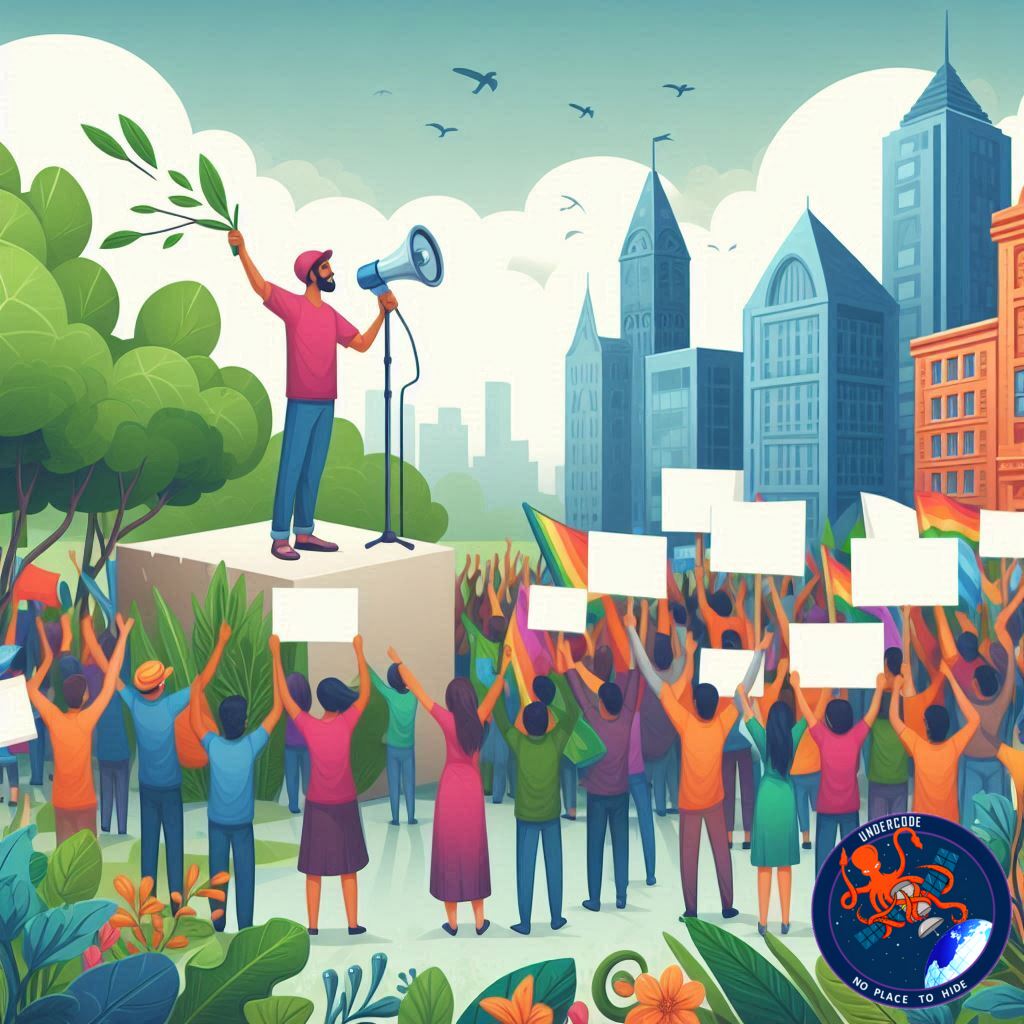
Introduction: A Nation Under Pressure
Nigeria is standing at a critical crossroads. As food prices soar, purchasing power weakens, and daily survival becomes harder for millions, the suspension of key social welfare programs has intensified public anxiety. Against this backdrop, human rights activist Comrade Deji Adeyanju has issued a strong and urgent appeal to President Bola Ahmed Tinubu: reinstate the National Social Investment Programme Agency (NSIPA) operations before hunger, frustration, and anger spill into nationwide unrest. His warning is not speculative—it is grounded in unfolding realities across several states and a growing sense of despair among ordinary Nigerians.
Rising Hunger Meets Policy Shock
Nigeria is currently grappling with severe economic pressures that are directly affecting household food security. Inflation, subsidy removals, and currency instability have converged to push millions closer to the poverty line. For many vulnerable families, government-backed social investment programs have been the only buffer against starvation.
The suspension of NSIPA operations, therefore, landed like a shockwave. Programs designed to provide skills, cash transfers, food, and economic empowerment were suddenly frozen, leaving beneficiaries stranded at a time when they are most needed.
Adeyanju’s Appeal to the Presidency
Comrade Deji Adeyanju, the pioneer of the civil advocacy group Concerned Nigerians, has emerged as one of the loudest voices warning about the consequences of this decision. Speaking from Abuja, Adeyanju called on President Tinubu to urgently reconsider the suspension, emphasizing that the policy’s human cost far outweighs its administrative intent.
He acknowledged that the suspension followed allegations of financial misconduct against NSIPA’s CEO, Halima Shehu. However, he stressed that investigations should not come at the expense of millions who depend on these programs for daily survival.
Protests as Early Warning Signals
Adeyanju pointed to recent protests in Niger, Kano, and Kogi states as warning signs of deeper unrest brewing beneath the surface. These demonstrations, he argued, are not isolated incidents but symptoms of a broader national crisis fueled by hunger and economic desperation.
According to him, when citizens feel abandoned and unheard, protests become inevitable. Without swift intervention, such protests could escalate into something far more dangerous and uncontrollable.
The Suspended NSIPA Programs
The National Social Investment Programme Agency oversees several flagship initiatives aimed at reducing poverty and empowering citizens. These include:
N-Power, which provides job opportunities and skills training for young Nigerians
Conditional Cash Transfer (CCT), offering direct financial support to the poorest households
Government Enterprise and Empowerment Programme (GEEP), supporting small businesses and traders
Home Grown School Feeding Programme, ensuring meals for schoolchildren while supporting local farmers
With all these programs on hold, the ripple effects are being felt across communities nationwide.
Investigations vs. Human Survival
Adeyanju’s argument is not against accountability. In fact, he supports investigations into alleged corruption within NSIPA. His concern lies with the blanket suspension approach, which punishes beneficiaries alongside alleged offenders.
He warned that prolonged suspension risks deepening hunger, increasing crime rates, and eroding public trust in governance. For citizens already struggling, the absence of social support can quickly translate into anger and resistance.
Fear of Widespread Protests
In an exclusive conversation, Adeyanju voiced his deepest concern: the possibility of widespread protests spiraling into a mass uprising. He described Nigeria’s current condition as “precarious,” where economic stressors and political frustration are dangerously aligned.
He argued that history has shown how hunger-driven unrest can escalate rapidly when governments fail to respond decisively and compassionately.
A Proposal for Broader Oversight
To address corruption concerns without shutting down lifesaving programs, Adeyanju proposed an alternative governance model. He suggested involving religious institutions, traditional rulers, and community leaders in program oversight and distribution.
According to him, this diversified supervision framework would reduce political interference, improve transparency, and ensure that funds reach intended beneficiaries more efficiently.
Call for Immediate Restoration
Ultimately, Adeyanju urged President Tinubu to order the immediate restoration of the suspended programs while investigations continue in parallel. He maintained that such a move would help calm public anger, reduce food insecurity, and prevent potential social unrest.
In his view, governance during crisis requires balance—between discipline and compassion, accountability and survival.
Tinubu’s Message of Optimism
Meanwhile, President Tinubu has continued to promote his “Renewed Hope” agenda. Following his return from a two-week stay in Paris, he encouraged Nigerians to remain positive in their thoughts and speech about the country.
He called on citizens to draw inspiration from the resilience of the Super Eagles, urging them to maintain faith in Nigeria’s future despite current hardships.
The Disconnect Between Words and Reality
While calls for optimism resonate emotionally, critics argue that positivity alone cannot fill empty stomachs. For many Nigerians, hope is inseparable from tangible policy actions—especially those that directly address hunger and unemployment.
This growing disconnect between official messaging and lived realities has fueled skepticism and frustration among the populace.
What Undercode Say:
Social Welfare as a Stability Tool
Social investment programs are not merely acts of charity; they are instruments of national stability. In fragile economic conditions, welfare initiatives act as pressure valves, preventing societal stress from boiling over into unrest. Suspending them during a period of extreme hardship is a high-risk gamble.
The Cost of Blanket Suspensions
While anti-corruption measures are essential, blanket suspensions often create collateral damage. The poorest citizens—who have no role in alleged financial misconduct—end up paying the highest price. This undermines public confidence in reform efforts and shifts anger toward the government itself.
Hunger as a Political Force
History repeatedly shows that hunger is one of the most powerful drivers of protest and revolution. When food insecurity becomes widespread, ideological differences fade, and survival instincts take over. Governments that ignore this reality often do so at their own peril.
Oversight Without Shutdown
Adeyanju’s proposal to involve community and religious leaders is pragmatic. Decentralized oversight increases transparency while maintaining service delivery. It also restores trust by bringing governance closer to the people it serves.
Tinubu’s Leadership Test
This moment represents a defining test for President Tinubu’s leadership. The ability to balance accountability with empathy will shape public perception of his administration. Swift corrective action could reinforce confidence; prolonged inaction could deepen national resentment.
Renewed Hope Needs Renewed Action
Hope cannot survive on rhetoric alone. Nigerians are looking for signals that their government understands the urgency of their struggles. Reinstating NSIPA programs would be a powerful demonstration that the administration prioritizes human welfare alongside institutional reform.
Fact Checker Results
Allegations Against NSIPA Leadership
✅ Confirmed that the suspension followed allegations of financial misconduct involving the agency’s leadership.
Scope of Suspended Programs
✅ Verified that N-Power, CCT, GEEP, and the School Feeding Programme were all affected.
Risk of Protests
❌ While protests have occurred, predictions of nationwide revolution remain speculative.
Prediction
Short-Term Public Pressure 📉
If the suspension continues, public protests are likely to intensify as food insecurity worsens.
Policy Reversal Possibility 🔄
Mounting pressure from civil society may force a partial or full reinstatement of NSIPA programs.
Long-Term Governance Impact ⚠️
How the Tinubu administration handles this crisis will significantly influence public trust and political stability in the coming years.
🕵️📝✔️Let’s dive deep and fact‑check.
References:
Reported By: www.legit.ng
Extra Source Hub (Possible Sources for article):
https://www.discord.com
Wikipedia
OpenAi & Undercode AI
Image Source:
Unsplash
Undercode AI DI v2
Bing
🔐JOIN OUR CYBER WORLD [ CVE News • HackMonitor • UndercodeNews ]
📢 Follow UndercodeNews & Stay Tuned:
𝕏 formerly Twitter 🐦 | @ Threads | 🔗 Linkedin | 🦋BlueSky | 🐘Mastodon


