
Listen to this Post
Introduction: A Silent Crisis Hits Germany’s Vulnerable Communities
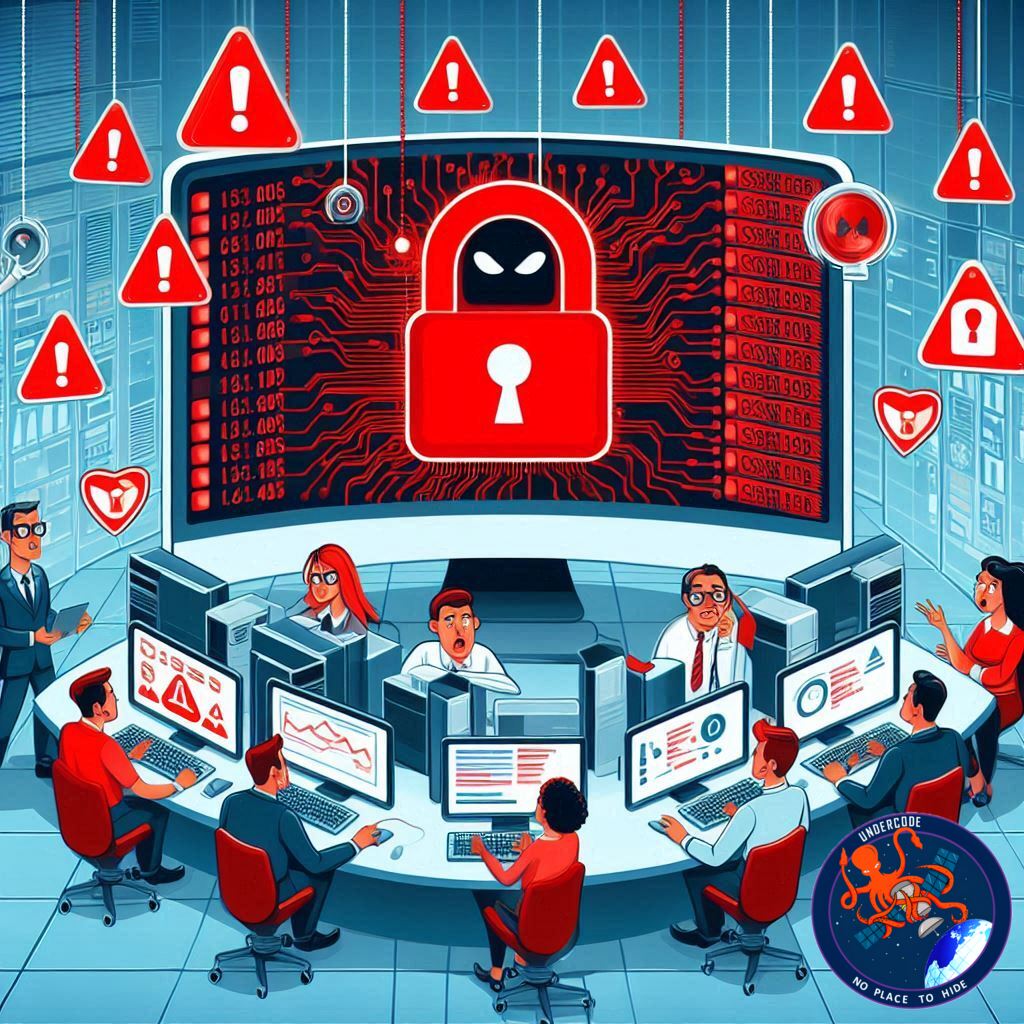
A new ransomware attack has struck at the heart of Germany’s social care system, exposing once again how vulnerable essential services are to cybercriminals. SafePay ransomware reportedly targeted wohnverbund-st-gertrud.de, a residential support and social care organization, triggering major operational disruptions. While the incident appears confined to Germany, its implications stretch far beyond national borders, highlighting a growing global threat to healthcare and social service institutions.
the Original What Happened?
The cybersecurity community was alerted after Cybersecurity News Everyday (@TweetThreatNews) reported that the SafePay ransomware group had targeted wohnverbund-st-gertrud.de. This organization provides residential support and social care services, making it a critical institution for vulnerable populations.
According to the post, the ransomware attack caused significant operational disruption. While no public details were released about the nature of the breach, ransomware attacks typically involve data encryption, system lockouts, and ransom demands. The incident reportedly impacted operations exclusively within Germany, suggesting a targeted regional attack rather than a global campaign.
The source of the information traces back to hendryadrian.com, a well-known cybersecurity news platform that tracks ransomware activity and data breaches. The tweet quickly gained attention within the cybersecurity community, despite low public engagement.
The post was shared at 12:30 AM on January 20, 2026, reflecting how quickly news of cyber incidents spreads across social platforms. Although view numbers were limited, cybersecurity professionals closely monitor such alerts to identify emerging threat patterns.
No official statement from Wohnverbund St. Gertrud has been published yet, leaving questions unanswered regarding data exposure, ransom demands, or system recovery timelines. However, given the nature of ransomware operations, it is highly likely that internal systems, patient records, or operational tools were affected.
This attack adds to a growing list of cyber incidents targeting healthcare and social service organizations across Europe. Cybercriminals increasingly see these institutions as high-value targets due to their critical services and limited cybersecurity budgets.
The tweet also reflects a growing reliance on community-driven threat monitoring platforms. Accounts like @TweetThreatNews now serve as early warning systems for cybersecurity professionals worldwide.
What Undercode Say: Deep Analysis of the Attack
This incident underscores a disturbing trend: ransomware gangs are aggressively targeting social care and healthcare organizations. These institutions often operate with outdated systems, limited IT staff, and high-pressure environments where downtime can cost lives. Attackers exploit this urgency, knowing victims are more likely to pay ransoms quickly.
SafePay ransomware is not among the most famous groups, but its tactics mirror those of major syndicates. Typically, such groups gain access through phishing emails, compromised credentials, or unpatched vulnerabilities. Once inside, they move laterally across networks, exfiltrate sensitive data, and deploy encryption payloads.
The choice of a social care organization is strategic. These facilities store sensitive personal data, including medical records, identity documents, and financial information. This gives attackers double leverage: system lockout and data leak threats.
Germany has seen a sharp rise in ransomware incidents over the past two years. While government agencies have strengthened cyber laws, smaller institutions still struggle to meet modern security standards. Attackers know this gap well.
Operational disruption in social care environments can be catastrophic. Appointment systems collapse, medication schedules are interrupted, and staff lose access to critical patient data. In worst cases, patients must be relocated, adding further stress and risk.
What makes this case worrying is the silence from the affected organization. Lack of public disclosure often indicates ongoing negotiations or internal investigations. Transparency is crucial, but many organizations fear reputational damage.
Another red flag is the limited public information about SafePay. Low-profile groups often operate under the radar, hitting smaller organizations that won’t attract law enforcement attention. This makes them harder to track and stop.
We are also seeing ransomware-as-a-service models rise. This means even low-skilled criminals can launch sophisticated attacks by renting malware from professional developers. This dramatically increases attack frequency.
From a defensive standpoint, this case highlights basic failures in cyber hygiene. Regular patching, employee phishing training, offline backups, and network segmentation remain the strongest defenses. Yet many social organizations still lack these fundamentals.
There is also a policy failure. Governments allocate massive budgets to military cyber defense but neglect civilian infrastructure. Social care systems should be classified as critical infrastructure, deserving priority protection.
This attack should serve as a wake-up call for European regulators. Cybersecurity audits must become mandatory for healthcare and social service institutions. Funding should be allocated for modern security tools and professional IT teams.
The human cost is often overlooked. Staff face burnout, patients experience anxiety, and families lose trust in care providers. Cybercrime is no longer just a technical issue, it is a humanitarian problem.
We predict more targeted attacks in 2026, especially against regional care centers, NGOs, and educational institutions. These sectors remain underprotected and highly vulnerable.
In summary, the SafePay attack is not an isolated event. It is part of a larger pattern where cybercriminals exploit moral pressure points in society. Until systemic changes occur, these attacks will continue to rise.
🔍 Fact Checker Results
✅ The ransomware attack was reported by a known cybersecurity monitoring account.
✅ The targeted organization operates in Germany and provides social care services.
❌ No official confirmation yet from the victim organization regarding data theft or ransom demands.
📊 Prediction
🔮 Ransomware groups will increasingly target small healthcare and social service providers in Europe due to weak cybersecurity defenses and high pressure to restore services quickly.
🕵️📝✔️Let’s dive deep and fact‑check.
References:
Reported By: x.com
Extra Source Hub (Possible Sources for article):
https://www.facebook.com
Wikipedia
OpenAi & Undercode AI
Image Source:
Unsplash
Undercode AI DI v2
Bing
🔐JOIN OUR CYBER WORLD [ CVE News • HackMonitor • UndercodeNews ]
📢 Follow UndercodeNews & Stay Tuned:
𝕏 formerly Twitter 🐦 | @ Threads | 🔗 Linkedin | 🦋BlueSky | 🐘Mastodon


