
Listen to this Post
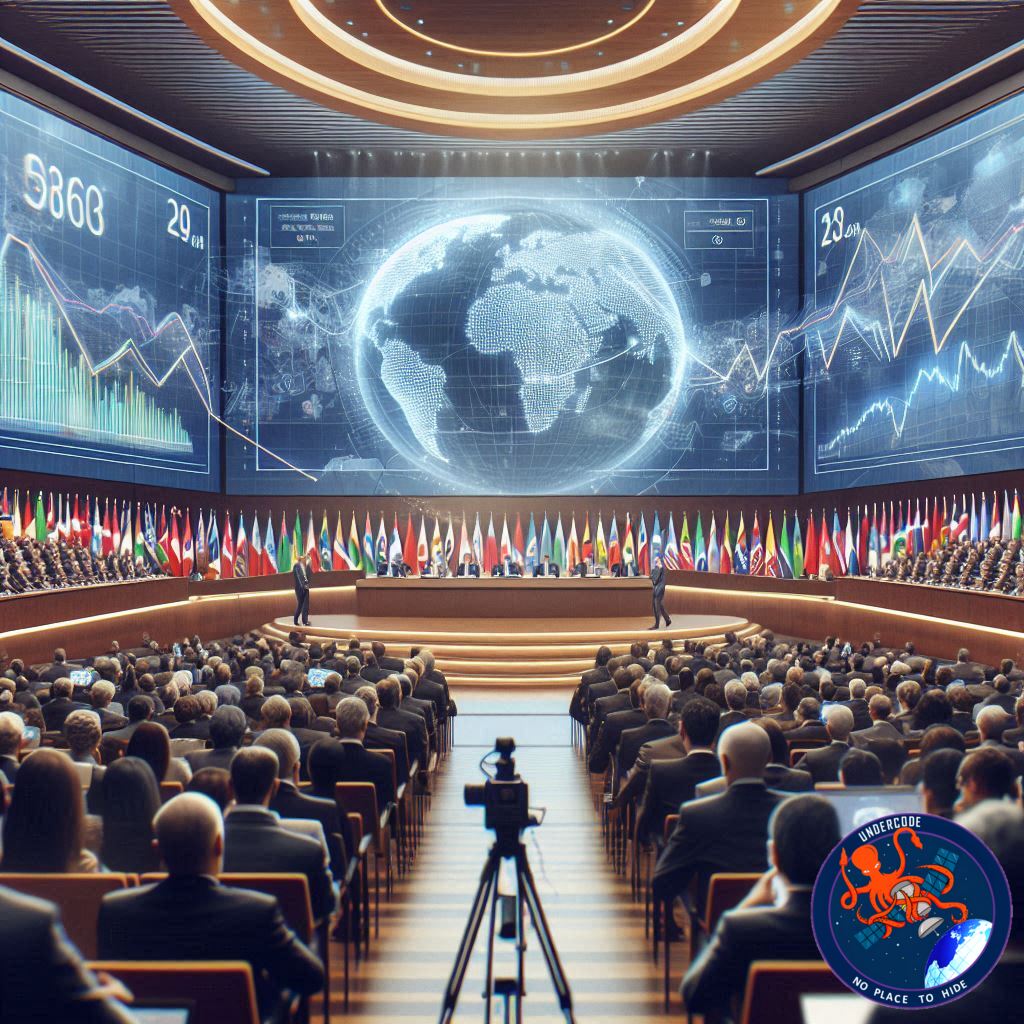
Introduction: A Summit Under Siege
The World Economic Forum in Davos has always struggled with optics. Images of billionaires flying in on private jets to discuss poverty and climate change have long drawn criticism. But Davos 2026 feels different. This year’s gathering isn’t just awkward — it’s tense, defensive, and desperate. Global elites are facing two existential threats at once: the return of President Donald Trump and a deeply fractured K-shaped economy that is tearing societies apart.
For the first time in years, Davos looks less like a luxury networking event and more like an emergency boardroom meeting for the world’s richest power brokers.
Summary: Inside CNN’s Report on Davos 2026
Davos has always been criticized for hypocrisy. Wealthy executives gather in Switzerland to discuss global inequality while enjoying luxury hotels, fine dining, and exclusive parties. That contradiction has never been more obvious than in 2026.
This year’s summit is overshadowed by two major forces. First is Donald Trump, whose trade policies and political comeback dominate conversations. Second is the K-shaped economy — a term popularized by economist Peter Atwater — which describes the widening gap between rich and poor since the pandemic.
Although COVID hit everyone at once, the recovery didn’t. Wealthy individuals recovered quickly, while low-income groups fell further behind. Nearly six years later, the divide continues to grow. Stock markets hover near record highs, luxury travel thrives, and home values surge for owners. Meanwhile, many Americans struggle to afford rent, food, and basic necessities.
The affordability crisis that helped re-elect Trump has made Davos look even more out of touch. Atwater explains that people at the bottom are acutely aware of wealth at the top, but elites rarely interact with them anymore. Remote work and luxury lifestyles have further isolated the wealthy from everyday struggles.
Larry Fink, CEO of BlackRock, acknowledged this tension in his opening speech. He admitted Davos is an elite gathering trying to shape a world it barely represents. While his comments were honest, critics argue this awareness is long overdue.
Semafor editor Liz Hoffman noted that Davos has a history of missing major global shifts. The forum failed to anticipate Brexit, MAGA, and rising populism. In 2020, attendees shared fondue while COVID spread nearby. Later, Davos briefly obsessed over the metaverse.
The article highlights that inequality isn’t just an American problem. Iran serves as a warning example. Years of inflation, corruption, and economic mismanagement destroyed middle-class wealth. A small elite grew richer while the majority suffered. When Iran’s currency collapsed, protests erupted and were violently suppressed.
Atwater warns that extreme inequality is unsustainable. Societies can tolerate only so much visible wealth before consequences emerge. He argues the system is fragile and just one shock away from chaos.
What Undercode Say:
Davos Is No Longer a Conference — It’s a Crisis Meeting
Davos 2026 feels like a corporate emergency summit rather than a policy forum. The tone has shifted from optimistic panels to defensive discussions. World leaders aren’t asking how to fix inequality anymore — they’re asking how to survive it.
The K-Shaped Economy Is a Ticking Time Bomb
The recovery after COVID created two separate realities. One group invests in stocks, buys second homes, and books luxury vacations. The other lives paycheck to paycheck, drowning in debt and rising costs. That split isn’t closing — it’s accelerating.
Trump’s Comeback Is a Symptom, Not the Disease
Trump didn’t re-emerge out of nowhere. His return reflects deep economic anger. People vote emotionally when they feel ignored. Davos elites still treat populism like a surprise, when it’s actually a predictable reaction to inequality.
Elites Live in a Bubble of Artificial Stability
Stock market highs create a false sense of security. Billionaires believe the system is working because their portfolios are growing. But stock prices don’t measure social stability. They don’t reflect hunger, housing stress, or job insecurity.
Davos Keeps Talking, But Rarely Acts
Every year, Davos releases bold statements about inclusion and sustainability. Then nothing changes. No major reforms. No accountability. Just recycled promises and photo ops.
Larry Fink’s Admission Changes Nothing
Acknowledging elitism is easy. Fixing it requires sacrifice. Will CEOs accept higher taxes? Will corporations reduce profit margins? So far, the answer is no.
The Iran Example Is a Warning Shot
Iran shows what happens when inequality becomes unbearable. Economic collapse + corruption + public rage = unrest. Western countries are not immune to this pattern.
Isolation Is Creating Dangerous Blindness
Remote work, gated communities, and luxury services shield the rich from reality. They don’t see food banks or eviction notices. That blindness fuels bad policy decisions.
The Social Contract Is Breaking
People accept inequality when they believe they can climb the ladder. But when mobility disappears, anger grows. That’s where many societies are heading now.
Davos Is Losing Legitimacy
When leaders don’t reflect the population, trust collapses. Davos risks becoming a symbol of everything people hate about globalization.
Wealth Display Has Consequences
Luxury watches, mega yachts, and private jets aren’t just status symbols anymore — they’re political triggers. Visible wealth fuels resentment.
Capitalism Without Guardrails Always Ends the Same
History shows us this cycle: wealth concentrates, workers suffer, unrest explodes. Davos pretends this time is different. It’s not.
Elites Underestimate Public Rage
People are quieter than before, but that doesn’t mean they’re calm. Silence often comes before disruption.
Governments Are Running Out of Excuses
Blaming pandemics and wars only works for so long. Citizens want structural fixes — wage growth, housing reform, fair taxes.
The Real Question Davos Won’t Ask
Not “How do we preserve growth?”
But “How do we prevent revolt?”
Davos 2026 Feels Like the Calm Before the Storm
Leaders sense something is coming. That fear explains the sudden seriousness. Unfortunately, fear alone won’t create solutions.
🔍 Fact Checker Results
✅ Davos 2026 is dominated by discussions about inequality and Trump’s return
✅ The K-shaped economy concept was popularized by economist Peter Atwater
❌ No concrete policy commitments were announced to close the wealth gap
📊 Prediction
🔮 If inequality continues rising at this pace, expect major political shocks by 2027
🔮 Populist movements will gain ground across Europe and the US
🔮 Davos will face growing protests and legitimacy crises in coming years
🕵️📝✔️Let’s dive deep and fact‑check.
References:
Reported By: edition.cnn.com
Extra Source Hub (Possible Sources for article):
https://www.facebook.com
Wikipedia
OpenAi & Undercode AI
Image Source:
Unsplash
Undercode AI DI v2
Bing
🔐JOIN OUR CYBER WORLD [ CVE News • HackMonitor • UndercodeNews ]
📢 Follow UndercodeNews & Stay Tuned:
𝕏 formerly Twitter 🐦 | @ Threads | 🔗 Linkedin | 🦋BlueSky | 🐘Mastodon


