
Listen to this Post
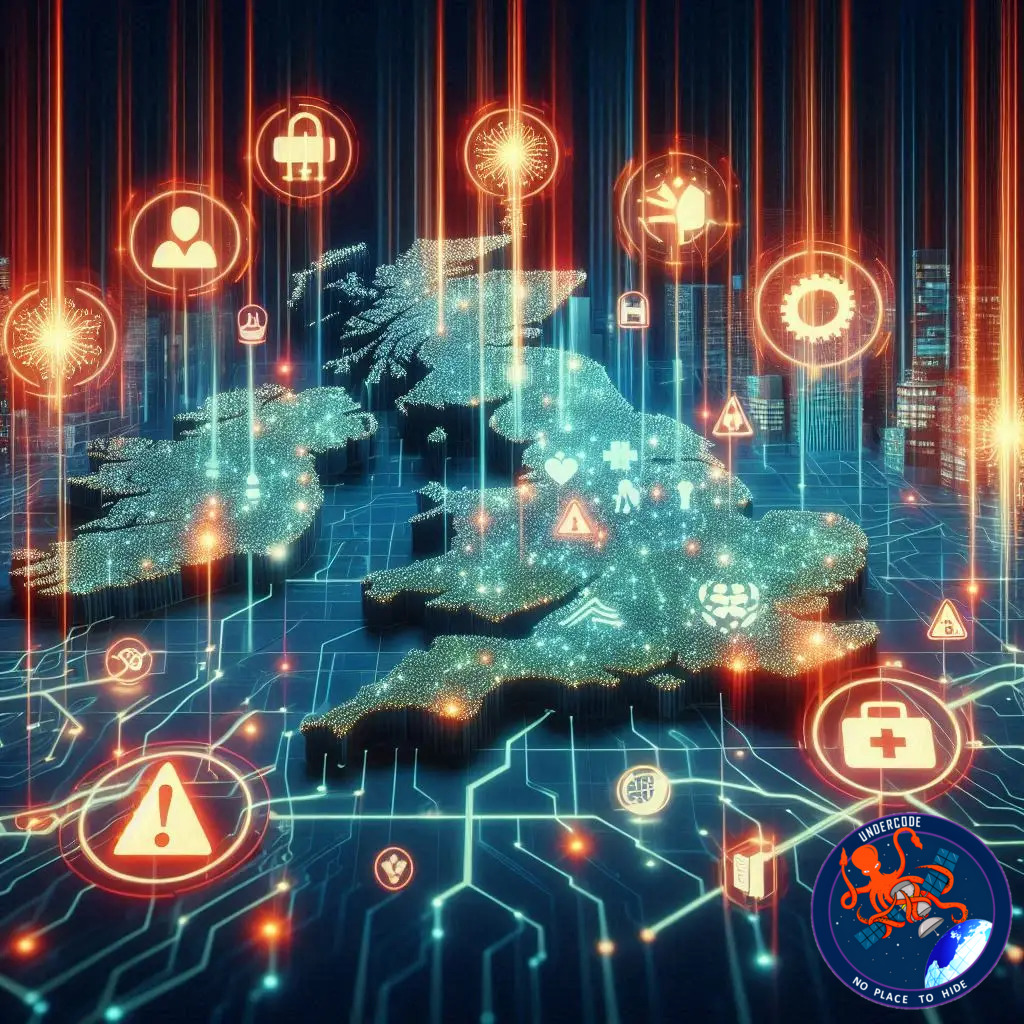
The UK’s cybersecurity authorities are sounding the alarm as Russian-aligned hacking groups continue to target British organisations with distributed denial-of-service (DDoS) attacks. These attacks, designed to overwhelm online systems, are increasingly focused on critical infrastructure and local government services, putting both operational technology (OT) and everyday digital services at risk. With the ongoing geopolitical tensions surrounding support for Ukraine, experts warn that ideological motives—rather than financial gain—are driving this wave of cyber disruption.
Overview of the Threat
The National Cyber Security Centre (NCSC), part of the UK’s GCHQ intelligence and security apparatus, has issued a formal warning highlighting the growing danger posed by these attacks. While DDoS attacks are often considered basic in technical sophistication, they remain highly disruptive, causing significant downtime and financial losses for organisations forced to respond and recover. A typical attack floods websites or online services with excessive traffic, rendering them inaccessible to legitimate users. Beyond the immediate disruption, these attacks can create knock-on effects that affect operations, supply chains, and public access to essential services.
Unlike financially motivated cyberattacks, the NCSC notes that these Russian-aligned hacktivist groups—such as the Cyber Army of Russia Reborn (CARR), Z-Pentest, NoName057(16), and Sector16—are ideologically driven. Their actions are reportedly motivated by perceived Western support for Ukraine, operating independently rather than under direct state control.
Targeting Critical Infrastructure
The threat has evolved to increasingly focus on the UK’s operational technology systems. OT refers to the hardware and software used to monitor and control industrial equipment in sectors such as energy, transportation, and manufacturing. Disruptions in these areas could have serious consequences, from halting energy production to impacting water and food supply chains.
In December 2025, NCSC alerts specifically warned that pro-Russian groups were exploiting vulnerable devices to launch attacks on critical infrastructure organisations, including those in the water, food, and energy sectors. These attacks underline the growing sophistication of threat actors and the potential impact on the UK’s essential services.
Guidance for Organisations
The NCSC is urging at-risk organisations to review their cyber defences and follow recommended mitigation strategies. This includes implementing robust network monitoring, ensuring systems are patched and updated, and preparing contingency plans to maintain service continuity during an attack. Jonathon Ellison, Director of National Resilience at the NCSC, stressed:
“By overwhelming important websites and online systems, these attacks can prevent people from accessing the essential services they depend on every day. All organisations, especially those identified in today’s alert, are urged to act now by reviewing and implementing the NCSC’s freely available guidance to protect against DoS attacks and other cyber threats.”
What Undercode Says:
Increasing Ideological Cyber Threats
The evolution of DDoS attacks in the UK reflects a broader trend of ideologically driven cyber aggression. Hackers motivated by political beliefs rather than profit are often more unpredictable, targeting high-profile services to make a statement. This makes risk assessment complex, as traditional financial-focused cybersecurity measures may not fully address the threats.
Operational Technology: A High-Stakes Target
Operational technology is a growing attack vector. Disruptions to OT can have immediate real-world consequences, including halting manufacturing lines or impacting energy distribution. As these systems are often older and less frequently updated than IT networks, they are particularly vulnerable to relatively simple attacks like DDoS.
The Cost of Disruption
Even basic DDoS attacks can carry heavy costs. Beyond immediate downtime, organisations face reputational damage, compliance issues, and emergency response expenses. The attack vectors highlighted by NCSC suggest that preparation and resilience planning are more cost-effective than reactive measures.
The Role of State-Sponsored vs. Independent Actors
While these groups are Russian-aligned, they are reportedly operating independently. This creates ambiguity in response protocols: governments may hesitate to retaliate directly, leaving private organisations responsible for safeguarding essential services.
Proactive Defence Strategies
Organisations should focus on layered defenses: traffic filtering, automated threat detection, and failover systems can help mitigate DDoS impacts. Staff training is also critical, ensuring teams can quickly identify attack symptoms and activate response protocols.
Potential Ripple Effects
Successful attacks on critical infrastructure could trigger cascading issues across multiple sectors. A disruption in water or energy supply, for instance, could impact healthcare, transport, and manufacturing, highlighting the interconnected nature of modern infrastructure.
Collaboration and Information Sharing
Cyber threat intelligence sharing between private companies and government agencies is increasingly vital. Insights on attack methods, indicators of compromise, and emerging threat actors can strengthen the UK’s collective resilience against these disruptions.
Long-Term Implications
If ideological cyberattacks continue to rise, organisations must view DDoS threats not as isolated incidents but as persistent hazards. Strategic investments in cybersecurity infrastructure and ongoing vigilance will be essential for national resilience.
🔍 Fact Checker Results
✅ Russian-aligned hacktivist groups are actively targeting UK organisations.
✅ DDoS attacks focus on both IT and operational technology systems.
❌ Claims that these attacks are financially motivated are false; ideology appears to be the primary driver.
📊 Prediction
The UK is likely to see a continued increase in DDoS activity targeting critical infrastructure and public services. Organisations that fail to adopt proactive mitigation strategies may experience frequent service disruptions and operational setbacks. Over the next 12–18 months, coordinated threat intelligence efforts and hardened OT networks will be essential to preventing large-scale outages and ensuring public service continuity.
🕵️📝✔️Let’s dive deep and fact‑check.
References:
Reported By: www.bitdefender.com
Extra Source Hub (Possible Sources for article):
https://www.quora.com/topic/Technology
Wikipedia
OpenAi & Undercode AI
Image Source:
Unsplash
Undercode AI DI v2
Bing
🔐JOIN OUR CYBER WORLD [ CVE News • HackMonitor • UndercodeNews ]
📢 Follow UndercodeNews & Stay Tuned:
𝕏 formerly Twitter 🐦 | @ Threads | 🔗 Linkedin | 🦋BlueSky | 🐘Mastodon


