
Listen to this Post
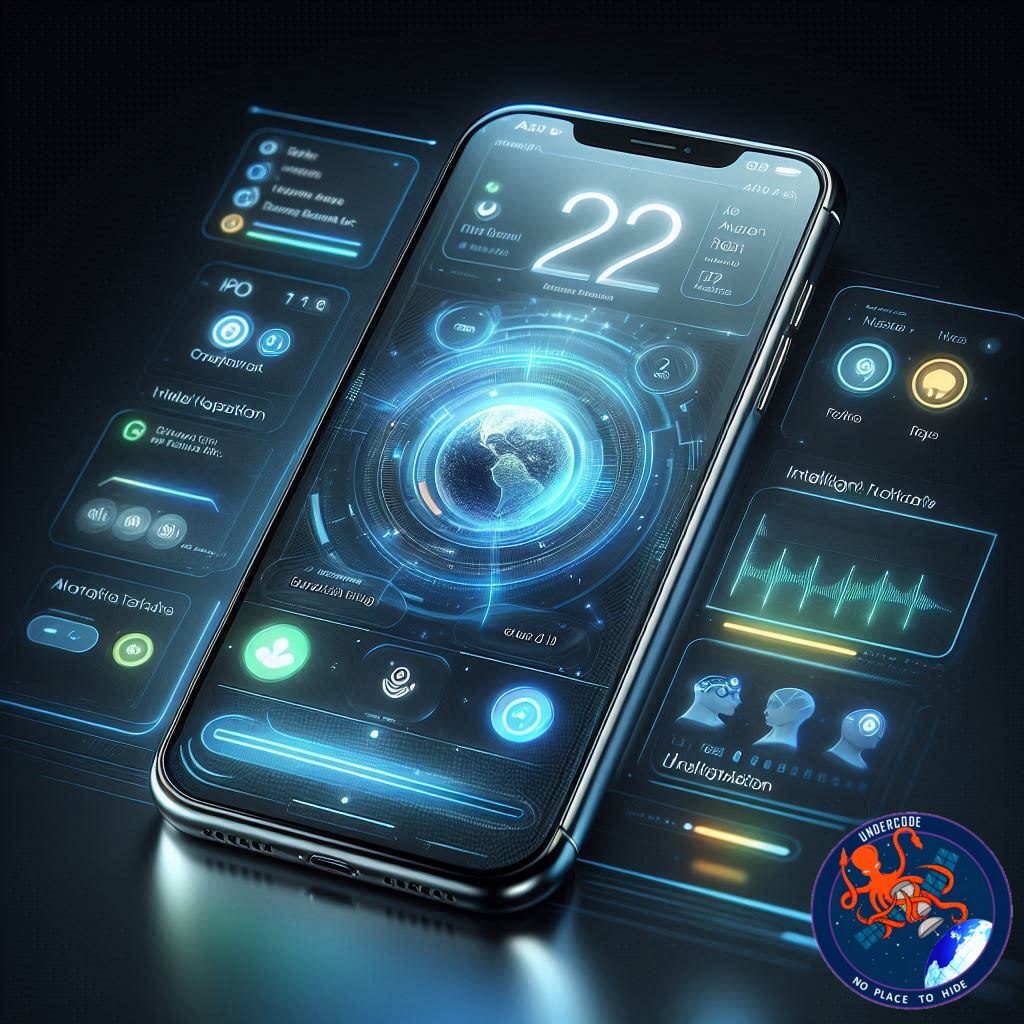
Introduction: A Quietly Transformative iOS Release
Apple’s next major software release, iOS 27, is shaping up to be less about visual spectacle and more about deep, systemic intelligence. Expected to debut at WWDC 2026 and roll out publicly in September alongside new iPhone hardware, iOS 27 represents Apple’s most deliberate push yet toward AI-driven everyday usability. Rather than overwhelming users with radical design changes, Apple appears focused on refining how iPhones think, respond, and assist — subtly embedding artificial intelligence into the core of Siri, Health, Search, and essential system apps.
A Strategic Shift Toward Practical Intelligence
Unlike past updates that emphasized interface redesigns, iOS 27 is expected to focus on reliability, performance, and contextual awareness. Apple’s broader “Apple Intelligence” strategy suggests the company is prioritizing usefulness over novelty, positioning AI as an invisible engine that improves daily interactions without demanding user attention.
Summary of the Original
WWDC 2026 as the Launchpad
Apple is preparing to unveil iOS 27 at WWDC 2026, with the first developer beta expected on June 8. As usual, this early preview will offer developers and enthusiasts insight into Apple’s direction for the coming year, while the final release is anticipated in September 2026.
Performance and Stability as Core Priorities
Early expectations suggest that iOS 27 will emphasize smoother performance, reduced glitches, and better system stability. Users may experience faster app launches, more fluid animations, and potentially improved battery efficiency across supported devices.
Apple Intelligence at the Center
Artificial intelligence is expected to play a central role in iOS 27. Apple plans to integrate smarter, more intuitive features across system apps, focusing on personalization and predictive assistance rather than standalone AI tools.
Health App Gains Deeper Insight
The Health app may receive AI-powered analytics capable of interpreting user data more intelligently. These tools could provide personalized recommendations, detect trends over time, and offer actionable health insights. Reports also suggest Apple may introduce a premium “Health Plus” subscription featuring expert-led guidance.
Smarter Scheduling and Time Management
An AI-enhanced Calendar app is rumored to automatically suggest schedules, reminders, and task prioritization based on user habits, location data, and historical behavior.
Photos and Media Refinements
Core apps like Photos are expected to benefit from improved organization tools. AI-driven categorization could make it easier to find specific memories, events, or people without manual sorting.
Siri’s Long-Awaited Evolution
Siri is expected to become more personalized and context-aware. Rather than relying on static commands, the assistant may learn from past interactions, anticipate needs, and deliver more relevant responses based on daily routines.
Connectivity and Hardware Synergy
Future iPhone models may support satellite-based 5G connectivity, allowing users to stay connected in remote or emergency situations. While hardware-dependent, iOS 27 would serve as the software foundation for these capabilities.
Broad Device Compatibility
Apple is expected to support a wide range of iPhones, including upcoming 2026 models like the iPhone Fold and iPhone 18 series, as well as older devices down to the iPhone 12 lineup and the iPhone SE (3rd generation).
What Undercode Say:
Apple’s AI Philosophy: Subtle, Not Flashy
Apple’s approach with iOS 27 reflects a philosophical divergence from competitors. Rather than marketing AI as a headline feature, Apple is embedding it quietly into workflows users already understand. This suggests confidence that intelligence should feel natural, not disruptive.
Siri’s Reinvention Is Long Overdue
For years, Siri has lagged behind rivals in contextual understanding. iOS 27 appears to be Apple’s attempt to correct this without rebooting the assistant entirely. By focusing on personalization and habit recognition, Apple may finally make Siri feel genuinely helpful instead of reactive.
Health as Apple’s Long-Term Bet
The rumored AI expansion of the Health app aligns with Apple’s broader ambition to position the iPhone as a personal wellness hub. If Health Plus materializes, it would mark a strategic shift toward recurring services built on deeply personal data — an area where Apple’s privacy stance could become a competitive advantage.
Calendar AI Signals a Behavioral OS
An AI-driven Calendar suggests Apple is moving toward a behavioral operating system — one that adapts to how users live rather than forcing them into rigid workflows. This could significantly reduce cognitive load, especially for professionals managing complex schedules.
Performance Improvements Matter More Than Design
By prioritizing stability and performance, Apple acknowledges a growing user fatigue with cosmetic updates. In mature ecosystems, reliability often matters more than novelty, especially as devices become central to work, health, and communication.
Photos as a Memory Engine
Enhancing Photos with smarter organization reinforces Apple’s push to turn passive data into meaningful context. As photo libraries grow into tens of thousands of images, AI-driven recall becomes essential rather than optional.
Satellite Connectivity as a Safety Feature
While satellite-based 5G may initially sound like a niche capability, its implications for safety, travel, and emergency communication are significant. iOS 27’s role in managing these connections highlights Apple’s growing focus on resilience and real-world reliability.
Device Support Reflects Ecosystem Loyalty
Supporting devices as old as the iPhone 12 signals Apple’s commitment to long-term software updates. This not only strengthens customer loyalty but also ensures Apple Intelligence features reach a broader user base.
AI Without Losing Control
Apple’s cautious rollout of AI features reflects a desire to avoid the pitfalls of over-automation. Rather than replacing user intent, iOS 27 appears designed to enhance decision-making while keeping humans firmly in control.
A Transitional Operating System
iOS 27 may not feel revolutionary on day one, but it likely lays the groundwork for more visible AI-driven changes in future releases. Think of it as infrastructure — quietly preparing the iPhone for a more intelligent decade ahead.
Fact Checker Results
WWDC Timeline Verification ✅
Apple traditionally unveils major iOS updates at WWDC in June, aligning with the expected June 8 beta reveal.
September Release Pattern ✅
Public iOS releases historically coincide with new iPhone launches in September, supporting the projected rollout window.
Feature Speculation Status ❌
Many AI features, including Health Plus and satellite-based 5G, remain unconfirmed and should be treated as informed expectations rather than official announcements.
Prediction
AI Becomes Invisible but Essential 🤖
Apple will succeed in making AI feel less like a feature and more like an instinct baked into iOS.
Siri Regains User Trust 🎯
Incremental personalization will slowly rebuild confidence in Siri as a daily assistant rather than a novelty.
Health Services Drive New Revenue 📈
If Health Plus launches, it could become one of Apple’s most strategically important subscription services.
🕵️📝✔️Let’s dive deep and fact‑check.
References:
Reported By: zeenews.india.com
Extra Source Hub (Possible Sources for article):
https://www.pinterest.com
Wikipedia
OpenAi & Undercode AI
Image Source:
Unsplash
Undercode AI DI v2
Bing
🔐JOIN OUR CYBER WORLD [ CVE News • HackMonitor • UndercodeNews ]
📢 Follow UndercodeNews & Stay Tuned:
𝕏 formerly Twitter 🐦 | @ Threads | 🔗 Linkedin | 🦋BlueSky | 🐘Mastodon


