
Listen to this Post
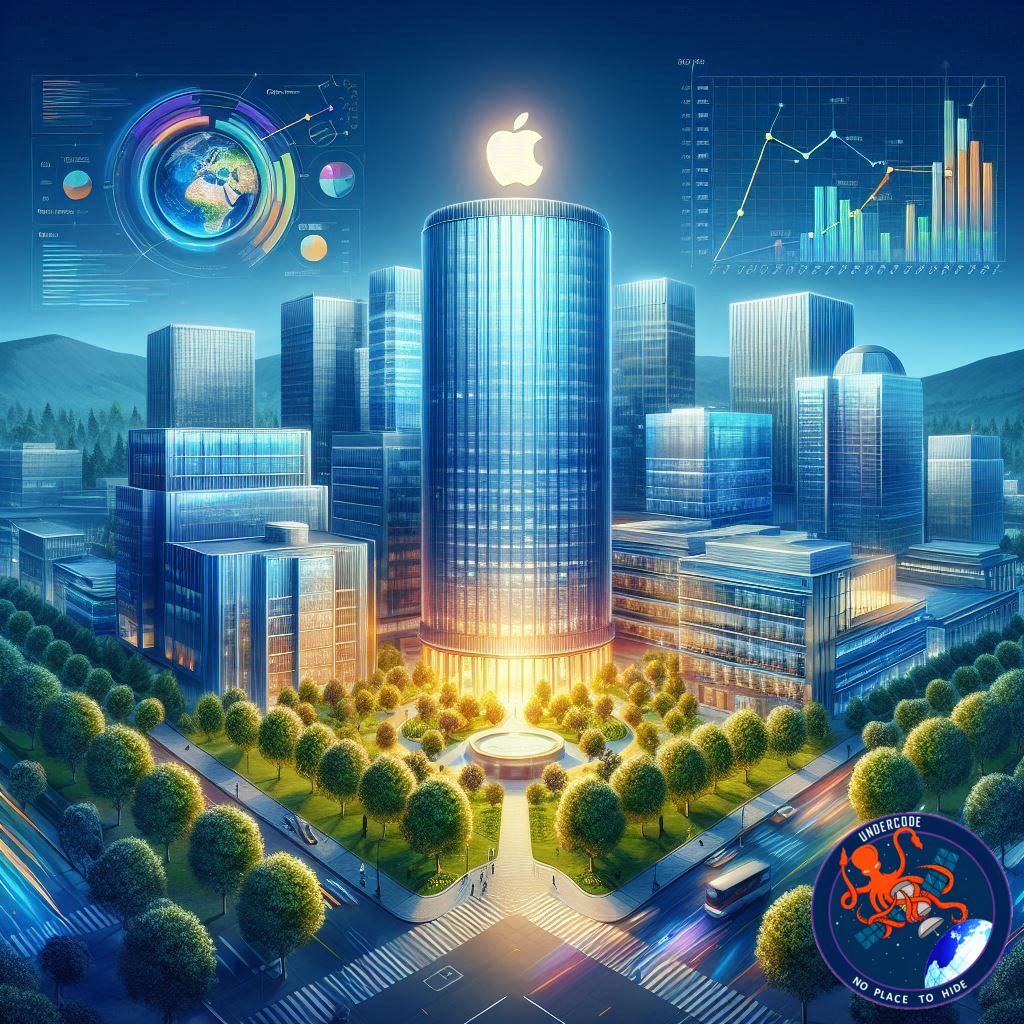
Introduction: Apple’s Unstoppable Reign at the Top
For the third consecutive year, Apple has claimed the crown as the world’s most valuable brand, according to Brand Finance’s Global 500 ranking. With a staggering brand valuation of $607 billion USD, the tech giant has once again proven that its influence stretches far beyond hardware, shaping global culture, consumer behavior, and the future of digital ecosystems. While competitors continue to innovate aggressively, Apple’s strategic focus on services, ecosystem loyalty, and premium branding keeps it firmly ahead of the pack.
the Original
Brand Finance has been evaluating the world’s most valuable brands since 2007, when the list was originally known as the Global 250. Back then, Coca-Cola dominated the ranking with a brand value of $43 billion USD, followed closely by Microsoft, Citi, and Walmart. At that time, Apple was a relatively modest player, ranking 43rd with a brand valuation of just $12 billion USD and an AAA+ brand rating, positioned below most major tech companies and only slightly above News Corp. Over nearly two decades, the landscape has dramatically transformed as technology companies surged to the top of the rankings. In 2026, Apple, Microsoft, Google, Amazon, NVIDIA, and TikTok/Douyin occupied the top seven positions, collectively amassing a combined brand value of approximately $2.31 trillion USD, representing a year-over-year growth of 15.8%. While the top four positions remained unchanged from the previous year, NVIDIA made a significant leap to fifth place after recording an astonishing 109% surge in brand value. Apple retained its number one position, growing its brand value by 6% from $574 billion USD last year to $607 billion USD in 2026, while maintaining its prestigious AAA brand rating. According to Brand Finance, Apple’s hardware growth has remained measured, but the company continues to strengthen its ecosystem through services. Revenue growth from advertising, cloud services, and the App Store has significantly supported overall performance. Additionally, steady demand across the Americas, Europe, and Asia-Pacific has reinforced Apple’s global scale and resilience. Brand Finance attributes Apple’s sustained dominance to its ability to evolve beyond devices and embed itself deeply into users’ digital lives. The full Global 500 2026 ranking is available on Brand Finance’s official website, as cited by MacMagazine.
What Undercode Says:
Apple’s Brand Is No Longer About Products
Apple’s dominance today has little to do with individual devices. iPhones, Macs, and iPads still matter, but they are now just entry points into a massive digital ecosystem. The real value lies in how deeply Apple integrates itself into daily life through iCloud, Apple Music, Apple TV+, Apple Pay, and the App Store.
Services Revenue Is Apple’s Secret Weapon
Hardware sales fluctuate with market conditions, but services generate recurring revenue. This creates predictable cash flow, which strengthens investor confidence and brand stability. Subscriptions lock users into the ecosystem, making it difficult to switch platforms.
Ecosystem Lock-In Is a Strategic Masterstroke
Once users own multiple Apple devices, switching becomes painful. Messages, AirDrop, FaceTime, iCloud sync, and Apple Watch integrations create a walled garden that competitors struggle to penetrate. This lock-in strategy is a core driver of brand value growth.
Advertising Expansion Signals a New Revenue Frontier
Apple’s push into advertising through the App Store and privacy-friendly ad platforms is a calculated move. It monetizes its massive user base while positioning itself as a “privacy-first” alternative to Meta and Google.
Cloud Services Are Quietly Powering Growth
While Apple doesn’t market its cloud services aggressively, iCloud subscriptions continue to surge. Storage plans and enterprise solutions quietly contribute billions to Apple’s balance sheet.
NVIDIA’s Rise Shows AI Is Reshaping Branding
NVIDIA’s 109% brand value surge proves that artificial intelligence is now a branding engine. Apple’s delayed AI push could become a vulnerability if it doesn’t accelerate innovation in this space.
Apple’s AI Strategy Remains a Question Mark
While rivals integrate generative AI deeply into products, Apple remains cautious. Privacy concerns may be slowing deployment, but long-term relevance depends on AI integration across iOS and macOS.
Regional Stability Keeps Apple Safe
Consistent demand in the Americas, Europe, and Asia-Pacific shows Apple’s brand power is globally diversified. Economic slowdowns in one region rarely derail overall performance.
Premium Pricing Still Works
Despite inflation and global uncertainty, consumers continue paying premium prices for Apple products. This proves that brand perception outweighs cost sensitivity in Apple’s target market.
Brand Loyalty Is Practically Cult-Like
Apple users defend the brand fiercely. This emotional connection is priceless and nearly impossible for competitors to replicate.
Apple’s Marketing Genius
Minimalist product launches, cinematic ads, and secrecy-driven hype keep Apple culturally relevant. The company doesn’t sell specs—it sells lifestyle.
Regulatory Pressure Is the Real Threat
Governments are increasingly scrutinizing App Store policies, fees, and monopolistic behavior. Forced changes could impact revenue streams tied to services.
Apple’s Hardware Plateau
iPhone innovation has slowed. Yearly upgrades are incremental, and consumers are holding onto devices longer. This makes services even more critical.
TikTok/Douyin’s Ranking Signals Cultural Shifts
Social platforms now rival tech giants in brand power. Apple must stay culturally relevant to younger generations who prioritize social apps over hardware.
The $607 Billion Psychological Barrier
Crossing the $600 billion USD mark cements Apple’s status as not just a tech company, but a global institution.
Apple Is Becoming a Digital Utility
Much like electricity or the internet, Apple services are becoming essential tools for work, entertainment, and communication.
Competitors Can’t Match Apple’s Integration
Samsung, Google, and Microsoft offer great products, but none control hardware, software, services, and chips at Apple’s scale.
The Silicon Advantage
Apple’s in-house chips give it performance control, energy efficiency, and long-term cost savings competitors lack.
Vision Pro Shows Future Ambitions
Mixed reality could be Apple’s next ecosystem pillar. If successful, it will open an entirely new revenue stream.
Brand Value Reflects Trust
Consumers trust Apple with data, payments, and digital identity. That trust is the backbone of its valuation.
Apple Is Playing the Long Game
Short-term trends don’t distract Apple. It focuses on decades-long strategy, which investors reward.
The Danger of Comfort
Dominance breeds complacency. If Apple doesn’t disrupt itself, someone else will.
AI Will Decide the Next Ranking
If Apple fails to lead in AI, its brand growth could stall while competitors surge ahead.
Apple’s Brand Is Bigger Than Technology
It represents status, creativity, productivity, and social identity.
Investors See Apple as Low Risk
Stable revenue, loyal customers, and massive cash reserves make Apple a safe bet.
Apple Controls the Narrative
Leaks, rumors, and controlled reveals keep public attention fixed year-round.
Services Will Overtake Hardware
By 2030, services could become Apple’s main revenue driver.
The Next Battle Is Privacy vs AI
Apple must balance privacy ethics with AI innovation to stay competitive.
$607 Billion Is Just the Beginning
At this trajectory, Apple could cross $750 billion USD in brand value within five years.
Final Verdict
Apple isn’t just winning—it’s rewriting the rules of global branding.
🔍 Fact Checker Results
✅ Apple ranked 1 in Brand Finance Global 500 with $607 billion USD brand value.
✅ NVIDIA recorded over 100% brand growth year-over-year.
❌ Apple hardware sales alone are not driving growth—services are the main factor.
📊 Prediction
Apple will maintain its 1 brand position for at least the next three years, but AI-focused companies like NVIDIA and Microsoft will close the gap rapidly. If Apple fails to roll out a competitive AI ecosystem by 2027, its growth rate will slow while rivals surge ahead.
🕵️📝✔️Let’s dive deep and fact‑check.
References:
Reported By: 9to5mac.com
Extra Source Hub (Possible Sources for article):
https://www.twitter.com
Wikipedia
OpenAi & Undercode AI
Image Source:
Unsplash
Undercode AI DI v2
Bing
🔐JOIN OUR CYBER WORLD [ CVE News • HackMonitor • UndercodeNews ]
📢 Follow UndercodeNews & Stay Tuned:
𝕏 formerly Twitter 🐦 | @ Threads | 🔗 Linkedin | 🦋BlueSky | 🐘Mastodon


