
Listen to this Post
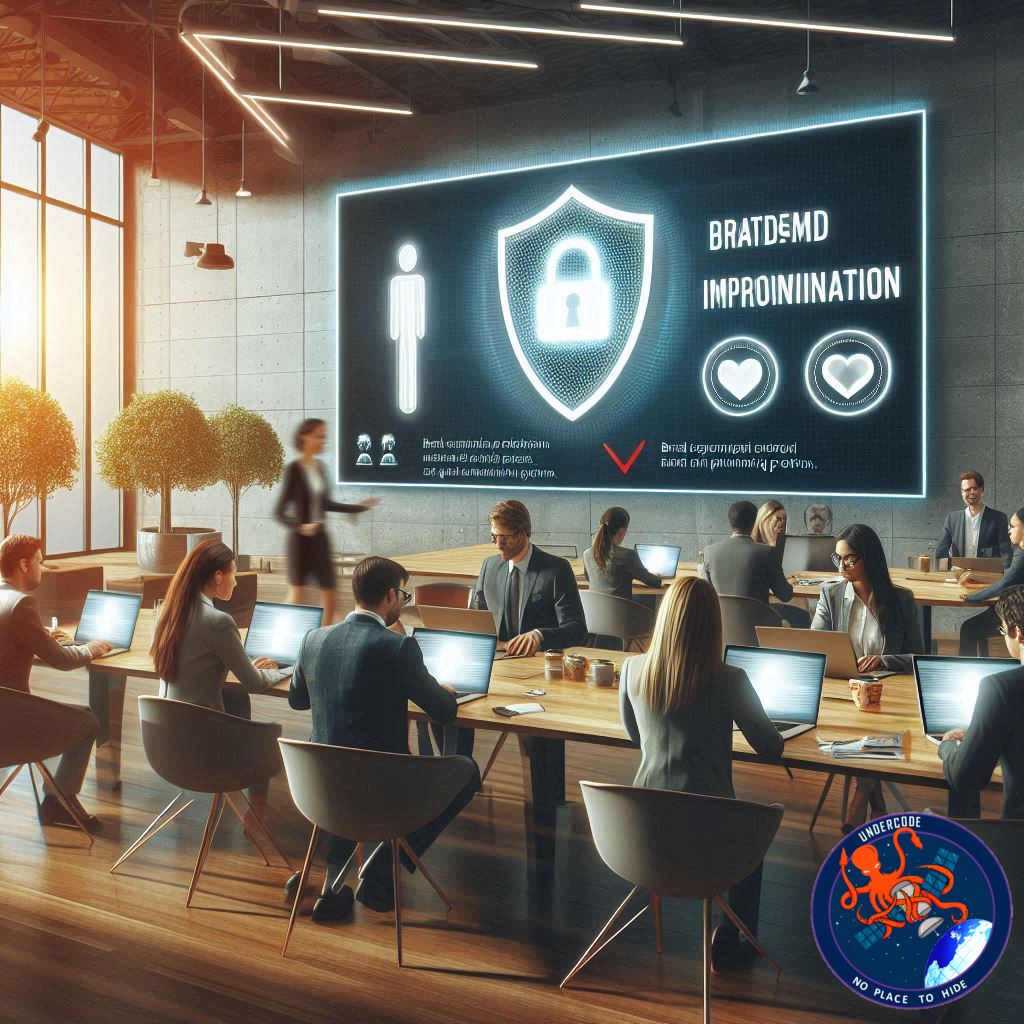
Microsoft is taking a major step to protect Teams users from social engineering attacks by introducing a new feature called Brand Impersonation Protection. This enhancement is designed to identify and warn users about external callers attempting to impersonate trusted organizations, such as businesses or government agencies, in an effort to steal sensitive information or commit fraud. With Teams usage surging past 320 million monthly users, the company emphasizes that security innovations like this are essential to safeguard collaboration and communication.
The Brand Impersonation Protection feature will begin rolling out to the targeted release ring in mid-February and will be enabled by default, meaning users don’t need to take any action to benefit from it. The feature specifically scans incoming VoIP calls from first-time external contacts for signals of brand impersonation. If a call appears suspicious, Teams will display a high-risk warning before the user answers. Users can then choose to accept, block, or end the call, though the warning may continue during the conversation if the system detects ongoing risk.
According to Microsoft, the addition of this feature strengthens Teams’ overall security posture by proactively guarding against deceptive external callers. It aligns with the company’s broader efforts to improve caller identity verification and secure collaboration, including previously announced features like automatic malicious URL detection, protection against weaponizable file types, and enhanced reporting for false positives. Microsoft also plans to roll out a system alerting admins to suspicious activity from external domains.
IT departments are advised to update internal training materials and prepare support staff for questions as users begin seeing these warnings. Even though the feature activates automatically, educating teams ensures that users respond appropriately to alerts and understand their purpose.
This update reflects Microsoft’s ongoing commitment to making Teams safer as its adoption grows rapidly across enterprises. By combining automation with user-facing alerts, Microsoft aims to reduce the likelihood of successful social engineering attacks, which remain a top threat vector in enterprise environments.
What Undercode Say:
The launch of Brand Impersonation Protection represents a strategic evolution in enterprise VoIP security. Social engineering attacks are increasingly sophisticated, with scammers leveraging familiarity and trust to trick employees into revealing credentials or transferring funds. By providing real-time warnings for first-time external callers, Teams creates a critical layer of defense, bridging the gap between automated threat detection and human judgment.
From an operational perspective, the default activation of this feature minimizes administrative overhead, but also introduces training and change management challenges. IT and helpdesk teams must be prepared to guide users who encounter frequent warnings, balancing security vigilance with workflow efficiency. Failure to educate users could result in either alert fatigue or ignoring genuine threats.
Technically, this approach is part of a broader trend in unified communications security: combining behavioral heuristics and brand verification algorithms to detect fraud before it reaches end users. While phishing and email-based scams have long been addressed by security platforms, voice and video calls remain a blind spot for many organizations. Microsoft’s proactive step to flag high-risk calls positions Teams as a more security-conscious alternative in the crowded collaboration market.
Additionally, the integration of external domain monitoring for suspicious traffic provides a multi-layered security approach, offering admins visibility into potential attacks before they escalate. As Teams continues to grow, combining user alerts, automated protections, and admin insights will be critical to maintaining enterprise trust and mitigating risk.
Organizations should view this update not just as a product improvement, but as a call to reassess internal security protocols for telephony and collaborative tools. Proper onboarding, phishing simulations, and continuous monitoring are necessary complements to automated defenses.
Microsoft’s strategy also highlights an important trend: security is moving closer to the end user interface, where awareness and decision-making intersect with automated detection. This hybrid approach may set the standard for next-generation communication platforms, where every call and message can carry potential risk.
Fact Checker Results:
✅ Microsoft Teams is introducing a Brand Impersonation Protection feature.
✅ The feature will start rolling out in mid-February to the targeted release ring.
✅ Teams has over 320 million monthly active users.
Prediction:
🚀 As Brand Impersonation Protection becomes standard, we expect a drop in successful social engineering attacks via Teams, especially among first-contact calls.
⚠️ Users may initially experience alert fatigue, requiring organizations to invest in education and best practices.
📈 This move will likely push competitors like Zoom and Slack to adopt similar caller verification safeguards, raising the bar for collaboration platform security.
If you want, I can also create a short, punchy version suitable for LinkedIn or X/Twitter audiences that emphasizes the security impact and user benefits. Do you want me to do that next?
🕵️📝✔️Let’s dive deep and fact‑check.
References:
Reported By: www.bleepingcomputer.com
Extra Source Hub (Possible Sources for article):
https://www.reddit.com/r/AskReddit
Wikipedia
OpenAi & Undercode AI
Image Source:
Unsplash
Undercode AI DI v2
Bing
🔐JOIN OUR CYBER WORLD [ CVE News • HackMonitor • UndercodeNews ]
📢 Follow UndercodeNews & Stay Tuned:
𝕏 formerly Twitter 🐦 | @ Threads | 🔗 Linkedin | 🦋BlueSky | 🐘Mastodon


