
Listen to this Post
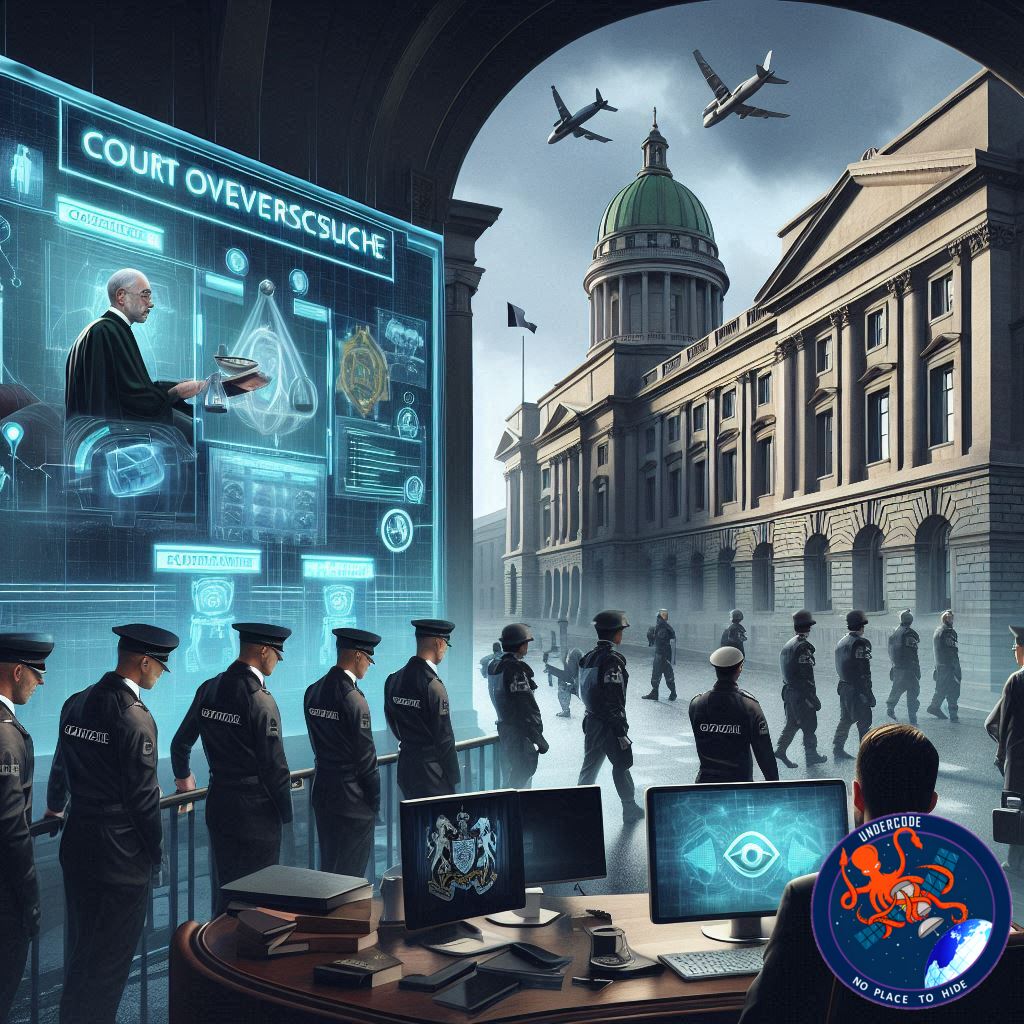
Ireland is stepping into uncharted territory in digital surveillance, proposing legislation that would officially allow law enforcement agencies to use spyware and electronic scanning tools—but only with strict judicial authorization. This bold move aims to modernize investigative powers while embedding legal safeguards designed to protect citizens’ privacy and ensure accountability.
The proposed bill mandates that any interception of electronic communications, including mobile devices, must first receive court approval. Additionally, the legislation requires detailed tracking of mobile identifiers and usage, creating an auditable trail for law enforcement activity. Advocates argue this is a necessary step to combat cybercrime and sophisticated criminal networks, while critics warn of potential overreach and privacy violations if not tightly regulated.
Under the bill, Ireland’s police and intelligence agencies would gain formal legal authority to deploy advanced surveillance technologies that, until now, operated in a legal gray area. Proponents emphasize that the law incorporates robust oversight mechanisms: any operation must be documented, justified, and approved by a court, and unauthorized use could carry strict penalties. Privacy experts have praised the inclusion of mobile identifier tracking, which could prevent misuse and make digital surveillance transparent.
Opponents, however, highlight potential risks. They caution that even with court oversight, spyware and electronic scanning could be misused for mass surveillance, infringing on civil liberties. Public debate is expected to intensify as lawmakers weigh national security benefits against individual rights, drawing attention from human rights organizations, privacy advocates, and technology companies.
The bill reflects a broader global trend: governments worldwide are grappling with how to regulate law enforcement’s access to advanced digital tools. Countries like the UK and Germany have implemented similar frameworks, often sparking heated discussions about the balance between security and privacy. Ireland’s legislation could set a precedent in Europe if passed, serving as a model for how nations can legally integrate modern surveillance technologies into law enforcement.
What Undercode Says:
Balancing Security and Privacy
Ireland’s approach is a delicate balancing act. By requiring court authorization, the bill attempts to protect civil liberties while equipping law enforcement with the digital tools necessary to tackle sophisticated cybercrime. This dual approach reflects a growing understanding that technology alone cannot ensure safety—it must be governed by transparent oversight.
Technological Implications
The inclusion of mobile identifier tracking is a significant detail. It means every surveillance action will be logged and traceable, potentially deterring abuse. However, it also raises questions about the storage, security, and possible exploitation of this data, which could itself become a target for hackers.
Legal and Ethical Considerations
While the bill outlines strong legal safeguards, its effectiveness will depend on how courts interpret authorization requests. Judges will be under pressure to balance law enforcement needs against citizens’ right to privacy, a role that could reshape Ireland’s legal landscape.
International Context
Ireland’s move aligns with a global trend where nations struggle to legislate law enforcement access to digital devices. Countries without proper oversight often face public backlash when surveillance tools are misused, highlighting the importance of judicial checks embedded in the law.
Public Reaction and Political Fallout
Civil liberties groups are likely to scrutinize the bill heavily. Any misstep in implementation could result in lawsuits or public protests, potentially influencing other European nations contemplating similar laws. Transparency, audit trails, and clear accountability will be critical to maintain public trust.
Cybersecurity Risks
Even with strict regulation, spyware introduces new cybersecurity risks. Malicious actors could attempt to exploit the same vulnerabilities law enforcement uses. Ireland will need strong IT security measures to prevent unauthorized access or leaks of sensitive information.
Impact on Law Enforcement Operations
If passed, the bill could revolutionize how Irish authorities tackle cybercrime, terrorism, and organized crime. Real-time electronic scanning and targeted spyware could enhance investigations, improve case outcomes, and reduce operational delays.
Future Developments
Expect debates around the bill to continue for months, especially as public awareness grows. Tech companies, privacy advocates, and international watchdogs will likely weigh in, shaping potential amendments and enforcement protocols.
🔍 Fact Checker Results:
✅ Ireland is considering a law to legalize spyware use by law enforcement with court authorization.
✅ The bill includes safeguards like mobile identifier tracking to monitor and audit use.
❌ There is no evidence yet of mass implementation; the bill is still under legislative review.
📊 Prediction:
Ireland’s spyware legislation, if enacted, will likely set a European benchmark for balancing law enforcement powers with privacy protections. Expect rigorous judicial oversight, high public scrutiny, and a model that other EU nations may consider adapting. It could lead to stronger cybercrime enforcement but will also spark ongoing debates over digital privacy rights.
🕵️📝✔️Let’s dive deep and fact‑check.
References:
Reported By: x.com
Extra Source Hub (Possible Sources for article):
https://www.stackexchange.com
Wikipedia
OpenAi & Undercode AI
Image Source:
Unsplash
Undercode AI DI v2
Bing
🔐JOIN OUR CYBER WORLD [ CVE News • HackMonitor • UndercodeNews ]
📢 Follow UndercodeNews & Stay Tuned:
𝕏 formerly Twitter 🐦 | @ Threads | 🔗 Linkedin | 🦋BlueSky | 🐘Mastodon


