
Listen to this Post
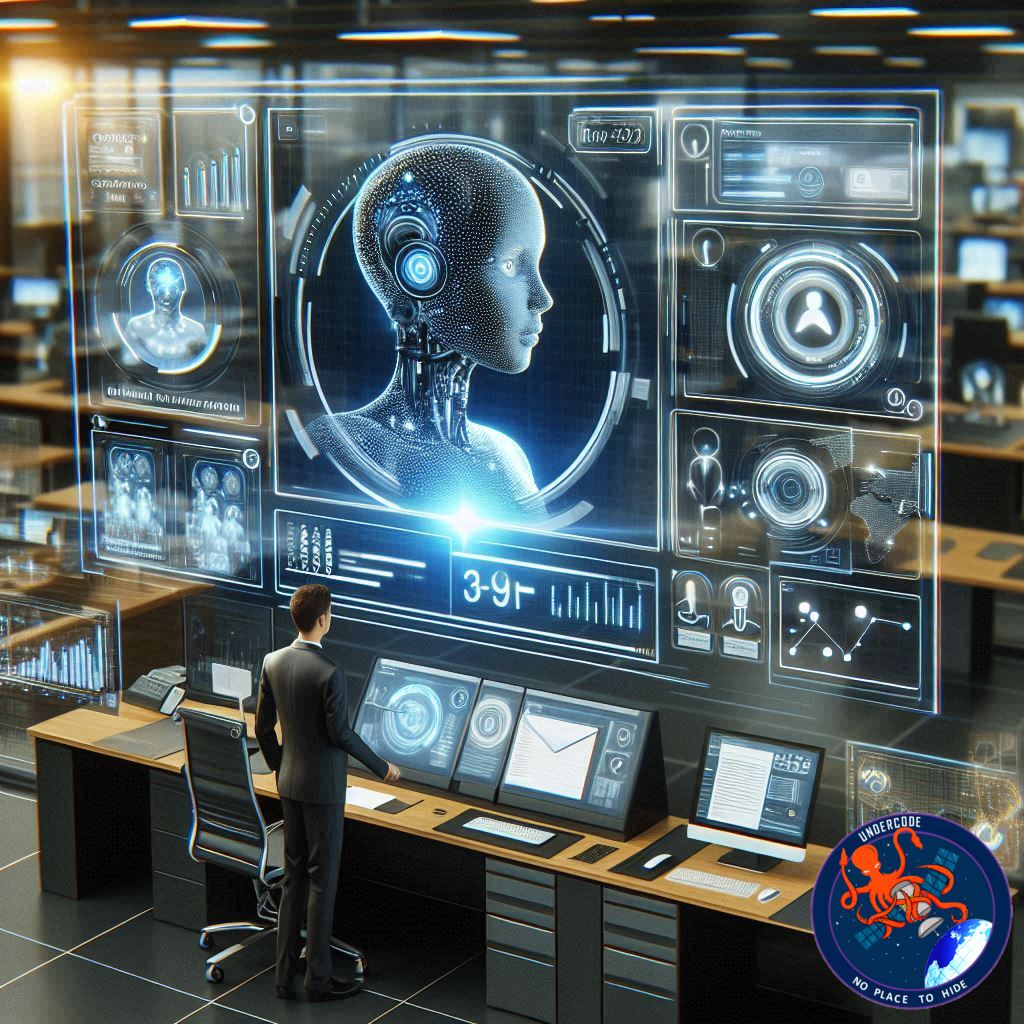
Gmail has long been the hub for billions of users’ communication, a digital command center for both personal and professional life. But Google isn’t content with simply keeping emails flowing in and out—it’s reimagining Gmail as a proactive, relationship-aware AI assistant capable of interpreting context, prioritizing meaningful interactions, and even acting on your behalf. This evolution could transform our inboxes from passive message containers into intelligent, decision-reducing tools that understand both our priorities and relationships.
Gmail at the Crossroads of Life Management
Every morning, countless users check Gmail as the first step in assessing their day. For billions, Gmail is more than a mailbox—it’s the central dashboard for managing tasks, events, and communication. Blake Barnes, Gmail’s VP of Product, oversees the monumental challenge of shaping this experience for over three billion people. The team’s mission is ambitious: to rethink what an inbox can do, moving beyond simply organizing messages toward helping users manage their lives more effectively.
Traditional email organization relies on labels, filters, and categories—tools that have remained largely unchanged for decades. While effective at routing messages, they do little to resolve the ambiguity inherent in modern email interactions. For instance, a single sender can represent multiple relationships: a colleague, a vendor, or a friend. Google’s vision is to shift from a system that merely sorts emails to one that interprets context, understands relationships, and surfaces the most relevant information.
Gmail’s AI update introduces features beyond auto-summarizing threads or drafting responses. The company is exploring a future where the inbox interprets intent, understands priorities, and reduces the cognitive load of endless decision-making. AI could help users see clusters of important messages, track updates from specific contacts, and even triage messages for attention or response. The aim is to minimize judgment fatigue while keeping users informed, allowing Gmail to evolve into a personal, proactive assistant rather than a passive messaging tool.
This transformation relies heavily on personalization and context-awareness. AI can classify messages at scale, learning user preferences and adapting to individual workflows. Users might interact with Gmail in natural language—telling the app what’s important for the week—and Gmail could cluster, surface, and even draft replies based on that guidance. Over time, the inbox would shift from a reactive system to an active agent, anticipating needs and prioritizing what matters most.
Google is cautious, however. The AI Inbox is being developed in a separate tab to respect existing workflows and avoid disrupting billions of users accustomed to traditional email management. The approach highlights a careful balance between innovation and user trust, ensuring new AI features enhance productivity without introducing confusion or risk.
What Undercode Say: Gmail as a Relationship-Aware AI
Google’s approach to Gmail represents a paradigm shift in digital communication. Moving from reactive message handling to proactive life management requires understanding not just emails but the relationships, context, and intent behind each interaction. This isn’t merely about automating tasks; it’s about building a system capable of nuanced judgment at scale.
If Gmail successfully models user relationships, it could transform into a contextual agent, where the same sender might trigger different actions depending on circumstances. For example, an email from a colleague might require immediate attention in one context but be deferred in another if it’s informational. Traditional filters cannot achieve this level of sophistication. AI-driven prioritization and clustering could dramatically reduce cognitive load, allowing users to focus on high-impact tasks rather than managing email flow.
Privacy and trust are paramount. Gmail holds decades of personal correspondence, making it a rich data source for AI-driven insights. Users must feel confident that AI actions respect confidentiality, are reversible, and provide transparent reasoning. Any system that misjudges priorities risks eroding trust, no matter how sophisticated the algorithms.
Moreover, the integration of natural language instructions represents a breakthrough in accessibility and usability. Users could communicate complex priorities casually, letting Gmail interpret and act on them, potentially changing how we define productivity. Instead of checking emails obsessively, the inbox could summarize updates, highlight critical items, and manage routine correspondence autonomously.
However, the complexity of such a system is immense. Gmail’s AI must account for relationships, identity, historical interactions, and evolving priorities across billions of users. It’s a challenge that combines machine learning, context modeling, and human-centered design at unprecedented scale. The roadmap will likely be iterative, as Google tests features, learns from real-world usage, and gradually integrates AI into the mainstream Gmail experience.
Ultimately, Google’s vision positions Gmail not as software, but as an intelligent system capable of modeling a user’s digital life. If executed successfully, it could redefine email, transforming it from a communication tool into a personalized assistant that anticipates needs, prioritizes relationships, and reduces mental overhead. Yet this also raises questions about how much autonomy users are willing to delegate to AI and the boundaries of machine-mediated intimacy in everyday life.
Fact Checker Results
✅ Gmail is exploring AI features beyond simple auto-replies and summaries.
✅ Google’s AI Inbox is being rolled out cautiously in a separate tab to respect existing workflows.
❌ No concrete release timeline or guaranteed features have been promised to users yet.
Prediction 📊
Gmail is likely to evolve into a full-fledged AI assistant within the next 3–5 years, capable of relationship-aware prioritization and task automation. Users may see inbox triage, automatic clustering of emails, and natural language task instructions become standard. However, adoption will depend on trust, transparency, and users’ comfort with AI managing highly personal data. Expect Google to release incremental AI features first, testing context interpretation and relationship modeling before fully integrating proactive assistance into the main Gmail interface.
🕵️📝✔️Let’s dive deep and fact‑check.
References:
Reported By: www.zdnet.com
Extra Source Hub (Possible Sources for article):
https://www.reddit.com/r/AskReddit
Wikipedia
OpenAi & Undercode AI
Image Source:
Unsplash
Undercode AI DI v2
Bing
🔐JOIN OUR CYBER WORLD [ CVE News • HackMonitor • UndercodeNews ]
📢 Follow UndercodeNews & Stay Tuned:
𝕏 formerly Twitter 🐦 | @ Threads | 🔗 Linkedin | 🦋BlueSky | 🐘Mastodon


