
Listen to this Post
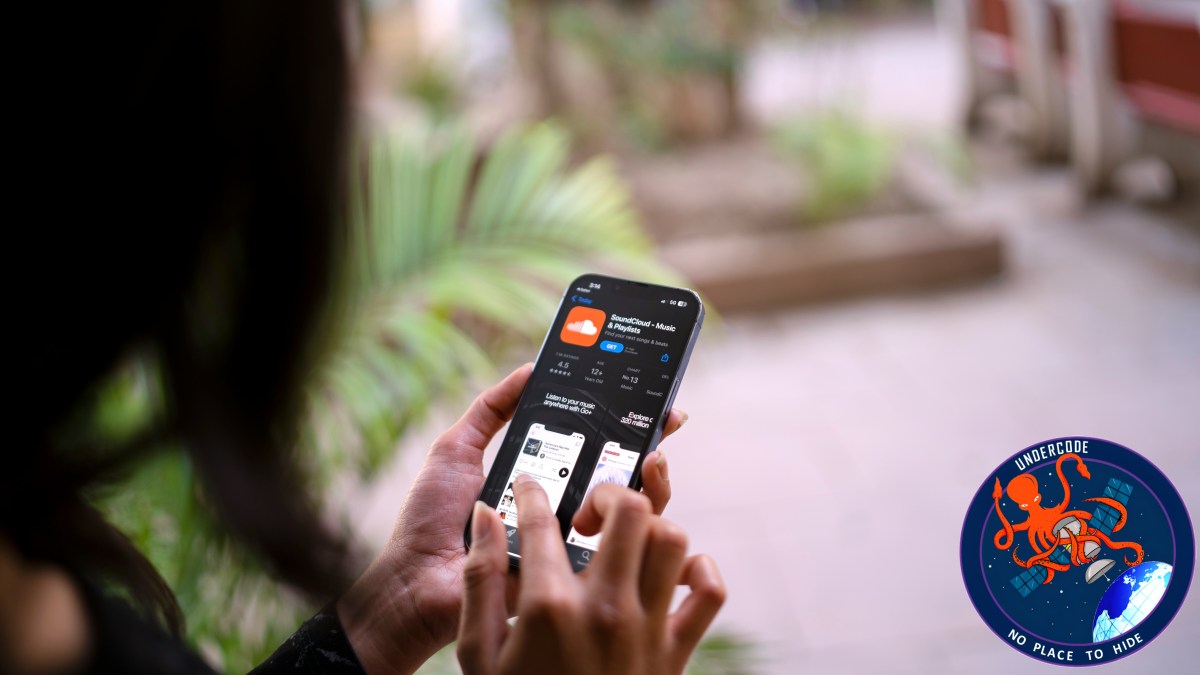
In a significant cybersecurity incident, SoundCloud has confirmed that hackers have accessed personal and contact information for nearly 30 million users. The breach, which surfaced in December 2025, has sent shockwaves through the music streaming community, raising questions about platform security and data protection. SoundCloud, founded in 2007 as a platform for independent artists, now hosts over 400 million tracks from more than 40 million creators worldwide.
The breach first came to light when users reported being unable to access SoundCloud via VPNs, encountering 403 “Forbidden” errors. SoundCloud quickly confirmed the unauthorized access and activated its incident response procedures after detecting suspicious activity in a secondary service dashboard. The company clarified that no highly sensitive data—like passwords or financial information—was accessed. Instead, the attackers obtained email addresses and publicly visible profile information.
Despite initial uncertainty about the scale, further investigation revealed that roughly 20% of SoundCloud’s user base—around 28 million accounts—was affected. Data breach notification service Have I Been Pwned later confirmed the full extent, reporting that 29.8 million accounts had their email addresses, usernames, profile statistics, and geographic locations compromised. Names, avatars, follower counts, and in some cases the country of the user were also harvested.
The attack was attributed to the notorious ShinyHunters extortion group, which attempted to leverage the breach to demand money from SoundCloud. Following the incident, the group used email flooding tactics to harass SoundCloud users, employees, and partners. In January 2026, SoundCloud publicly acknowledged the extortion attempts.
This breach is not an isolated incident for ShinyHunters. The gang has also claimed responsibility for a series of voice phishing attacks targeting single sign-on accounts across platforms like Okta, Microsoft, and Google, demonstrating their continued focus on large-scale data theft for extortion purposes.
The SoundCloud breach underscores the increasing risk of public-facing platforms being exploited to gain access to user data. While no financial or password information appears compromised, the harvested data could still be used for phishing, spam campaigns, or identity-linked scams.
What Undercode Say:
The SoundCloud breach reflects a concerning pattern in the cybersecurity landscape: threat actors targeting widely used consumer platforms for maximum data exposure. While SoundCloud has emphasized that sensitive credentials were not accessed, the scale of exposed information—nearly 30 million accounts—is alarming. Attackers now possess the ability to launch highly targeted phishing campaigns using the harvested data. Names, usernames, geographic information, and profile statistics can be combined to craft messages that feel authentic to the recipients.
ShinyHunters’ approach in this incident combines data theft with extortion, applying pressure through harassment and public exposure. This dual tactic increases the likelihood of financial gain for attackers while undermining the trust users have in platforms like SoundCloud. Organizations must anticipate that even “non-sensitive” data, when aggregated, can pose significant security and reputational risks.
Moreover, the attack highlights a broader trend in 2026: extortion-driven breaches are increasingly automated and multifaceted. Threat actors are now linking social engineering, phishing campaigns, and mass data collection to exploit both individual users and corporate infrastructure. The targeting of SSO systems at Okta, Microsoft, and Google illustrates how attackers aim for enterprise-level impact, potentially allowing access to SaaS ecosystems and sensitive organizational data.
For users, the breach serves as a reminder to remain vigilant about phishing attempts, especially those leveraging personal information visible on public profiles. Changing associated passwords, enabling multi-factor authentication (MFA) where possible, and monitoring for unusual account activity remain essential defensive measures.
From a corporate perspective, SoundCloud’s response, including incident activation and public communication, is standard. However, the delay in detailing the number of affected accounts until independent sources confirmed the extent highlights the challenges companies face in balancing transparency with investigation and mitigation. This is a common tension in breach reporting that often leaves users uncertain and anxious.
Strategically, the incident should encourage all digital platforms to review access to ancillary services and dashboards, which are frequently overlooked in security audits. Limiting administrative exposure and enforcing strict monitoring can reduce the likelihood of unauthorized access. The breach also underscores the importance of proactive threat intelligence: identifying groups like ShinyHunters before attacks occur can provide early warnings and reduce the overall impact.
Additionally, cybersecurity insurance and incident response protocols will play a key role in mitigating the fallout. As attacks increasingly blend data theft with extortion, businesses must account for both financial and reputational risks in their response strategies.
Finally, the SoundCloud case is emblematic of the growing intersection between entertainment platforms and cybersecurity challenges. Streaming services, social media networks, and content sharing platforms must now contend not only with technical vulnerabilities but also with the sophisticated strategies of modern cybercriminals who exploit user trust and public data visibility.
Fact Checker Results:
✅ Confirmed: 29.8 million SoundCloud accounts impacted.
✅ Confirmed: ShinyHunters extortion group responsible.
❌ Not accessed: financial or password data.
Prediction:
🎯 Expect more extortion-focused attacks targeting user data on public platforms in 2026.
🎯 Users may face an increase in phishing campaigns leveraging publicly available profile information.
🎯 Corporate platforms with ancillary services and dashboards will be high-value targets for threat actors.
🕵️📝✔️Let’s dive deep and fact‑check.
References:
Reported By: www.bleepingcomputer.com
Extra Source Hub (Possible Sources for article):
https://www.discord.com
Wikipedia
OpenAi & Undercode AI
Image Source:
Unsplash
Undercode AI DI v2
Bing
🔐JOIN OUR CYBER WORLD [ CVE News • HackMonitor • UndercodeNews ]
📢 Follow UndercodeNews & Stay Tuned:
𝕏 formerly Twitter 🐦 | @ Threads | 🔗 Linkedin | 🦋BlueSky | 🐘Mastodon


