
Listen to this Post
Introduction: A Historic Milestone Under Pressure
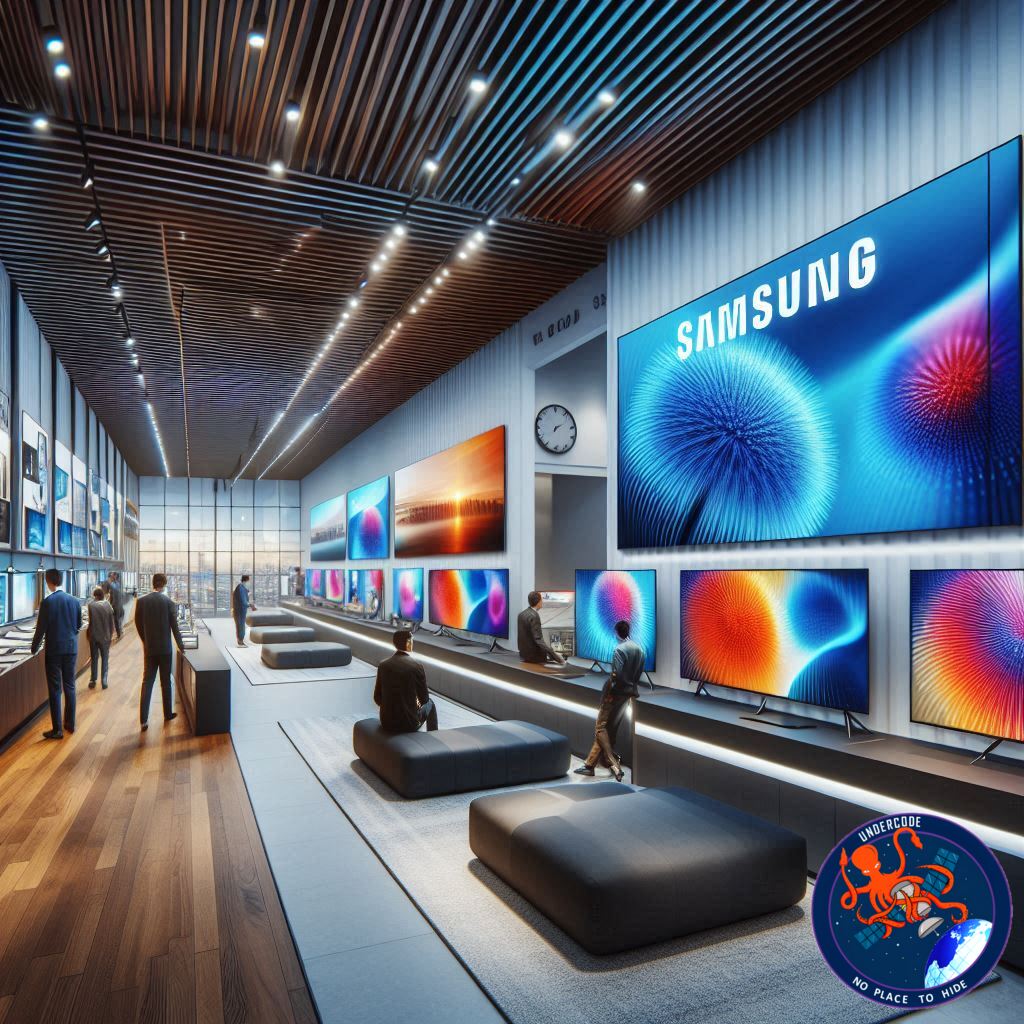
Samsung has achieved something no other TV brand in the world has managed: two straight decades at the top of the global television market. In 2025, the South Korean giant once again shipped more TVs than any competitor, officially extending its reign to 20 consecutive years. But behind this celebratory milestone lies a growing sense of urgency. Market dynamics are shifting, rivals are accelerating, and Samsung’s long-held dominance is facing its most serious challenge yet.
the Original Report
Samsung confirmed its position as the world’s leading TV brand in 2025, according to fresh data from Counterpoint Research. The company captured 17% of the global television market by shipment volume, securing its twentieth consecutive year as the number one TV manufacturer worldwide. This achievement follows Samsung’s earlier milestone in 2024, when it completed 19 straight years at the top and signaled that a 20-year run was well within reach.
However, the report also highlights a notable shift beneath the headline success. Samsung’s global TV market share declined by one percentage point year-over-year, suggesting that while the company remains the leader, its grip is no longer as firm as it once was. At the same time, Chinese brand TCL recorded a significant surge, increasing its market share by three percentage points over the same period.
This growth has brought TCL to within just one percentage point of Samsung’s global share, marking the closest any competitor has come to overtaking Samsung in the TV market in recent memory. The gap between first and second place has never been this narrow during Samsung’s two-decade reign.
Other major players continue to hold meaningful positions in the market. Hisense ranks third with a 10% market share, followed by LG at 9%, and Walmart’s private-label TV business at 5%. Together, these brands illustrate how competitive and fragmented the global TV industry has become.
Despite intensifying competition, Samsung continues to push forward with innovation. At CES 2026, the company unveiled its latest OLED TV lineup, signaling that it intends to defend its leadership not just through scale, but through premium technology and display advancements.
What Undercode Say:
Samsung’s 20-year dominance is less a victory lap and more a warning light for the company’s future strategy. Holding the top position for two decades is unprecedented, but the shrinking margin between Samsung and TCL tells a much more important story about where the TV market is heading.
The global TV industry is no longer driven purely by brand prestige. Price-to-performance ratios, aggressive regional expansion, and manufacturing efficiency now play a decisive role. TCL’s rapid rise is not accidental; it reflects a broader shift toward cost-optimized production paired with increasingly competitive panel technology. In many emerging and mid-tier markets, consumers are choosing “good enough” displays at lower prices over premium branding.
Samsung, by contrast, has doubled down on premium positioning. Its continued investment in OLED, Neo QLED, and AI-driven picture processing reinforces its image as a technology leader rather than a volume-focused manufacturer. This strategy protects margins but exposes Samsung to share erosion if competitors close the quality gap faster than expected.
Another critical factor is supply chain control. Chinese brands like TCL and Hisense benefit from deep vertical integration, particularly in panel manufacturing. This allows them to scale aggressively and undercut pricing without sacrificing profitability. Samsung, having exited LCD panel production years ago, now relies more heavily on external suppliers, which can limit flexibility in a price war scenario.
LG’s position is also telling. Despite being a display technology pioneer, its 9% market share shows that innovation alone does not guarantee dominance. The market increasingly rewards speed, localization, and pricing adaptability, areas where Chinese manufacturers excel.
Samsung’s CES 2026 OLED launch is strategically important, but it also underscores a risk. Premium OLED TVs remain a niche in many regions, while mass-market growth is happening in affordable large-screen models. If Samsung cannot translate its high-end innovations into accessible price tiers, its market share may continue to slide even while it leads in technology.
In short, Samsung is still the king, but the battlefield has changed. The next phase of competition will not be about who makes the best TV, but who can deliver the best balance of quality, price, and scale across diverse global markets.
Fact Checker Results
Counterpoint Research confirms Samsung’s 17% global TV market share in 2025.
Samsung’s 20 consecutive years as the top TV brand aligns with historical shipment data.
TCL’s rapid year-over-year growth is consistent with broader industry trends.
Prediction
Samsung will likely retain its number one position in the near term, but the era of comfortable dominance is over. If current trends continue, the global TV market could see its first leadership change in over two decades within the next few years, especially if Samsung fails to counter aggressive pricing strategies with more accessible innovation.
🕵️📝✔️Let’s dive deep and fact‑check.
References:
Reported By: www.sammobile.com
Extra Source Hub (Possible Sources for article):
https://www.quora.com
Wikipedia
OpenAi & Undercode AI
Image Source:
Unsplash
Undercode AI DI v2
Bing
🔐JOIN OUR CYBER WORLD [ CVE News • HackMonitor • UndercodeNews ]
📢 Follow UndercodeNews & Stay Tuned:
𝕏 formerly Twitter 🐦 | @ Threads | 🔗 Linkedin | 🦋BlueSky | 🐘Mastodon


