
Listen to this Post
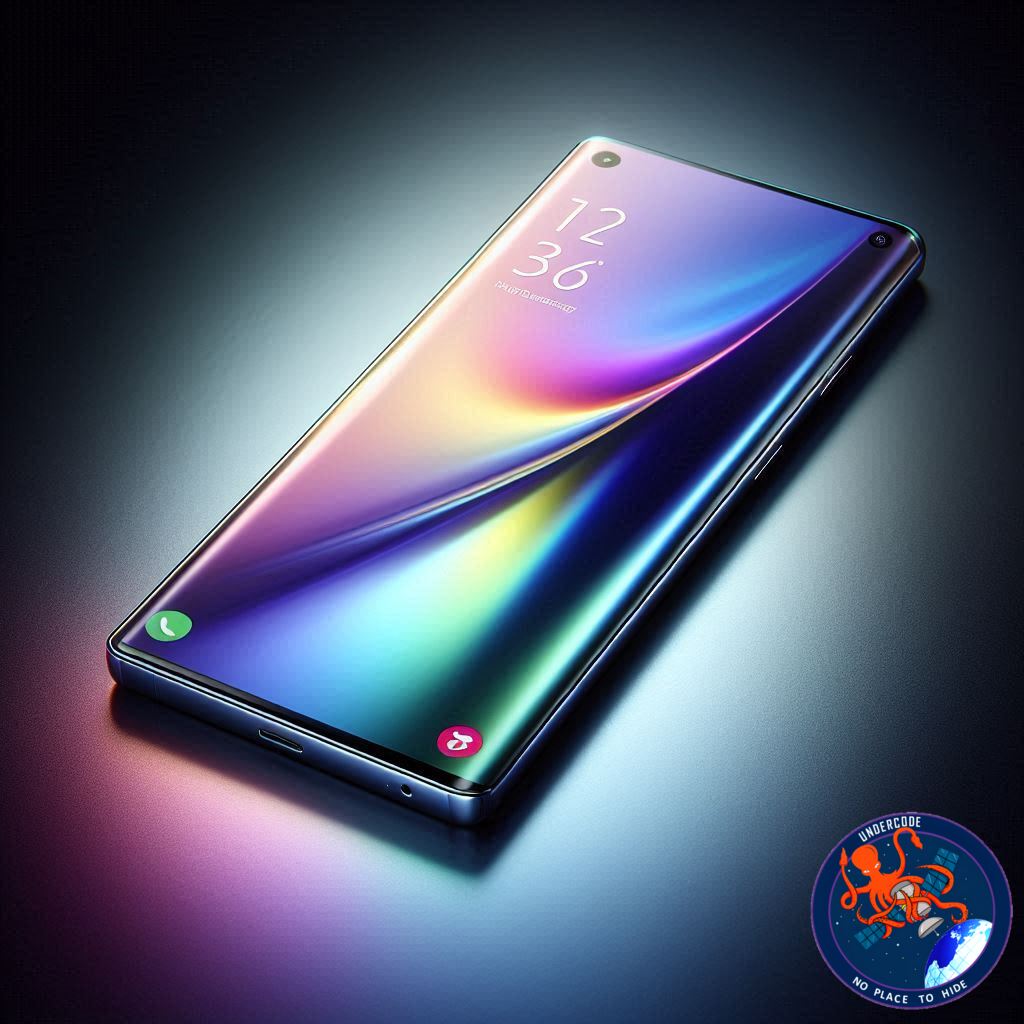
Samsung is taking a bold step in mobile security with the upcoming Galaxy S26 series, introducing a cutting-edge display technology designed to protect users’ screens from prying eyes. In an era where smartphones hold vast amounts of personal data, “privacy at a pixel level” could redefine how we interact with our devices in public spaces. By making your screen unreadable from side angles, Samsung promises a new layer of protection against “shoulder surfing” and unwanted onlookers, combining innovation with everyday practicality.
Samsung Teases Pixel-Level Privacy
Samsung’s recent press release highlighted an advanced display feature aimed at improving user privacy in public. While the company did not explicitly call it a “privacy display,” the description of “privacy at a pixel level” makes its purpose unmistakable: the phone’s screen will remain clear when viewed straight on but obscure when viewed from angles. This aligns with previous leaks from the One UI 8.5 beta, where the screen appeared to darken as the device was tilted left or right.
Hardware Innovation Behind the Scenes
The emphasis on pixel-level privacy suggests that this is not merely a software trick. Samsung is likely using dedicated display hardware, potentially leveraging its Flex Magic Pixel OLED technology showcased at Mobile World Congress in 2025. This hardware-driven approach explains the years of development invested in the technology and why it’s debuting on new devices rather than through updates to existing Galaxy models.
AI Integration Still Unconfirmed
Early leaks indicated that AI might play a role in adjusting how the privacy display operates, optimizing which areas of the screen are obscured. However, Samsung has not confirmed AI involvement in its teaser, leaving this as a tantalizing possibility rather than a guaranteed feature.
Customizable Privacy Options
One of the standout aspects of this new display technology is its customizability. Users will be able to select which apps automatically activate the privacy feature, whether entering passwords, typing sensitive information, or using specific applications. Adjustable visibility levels will let users control the extent to which the screen darkens, giving them granular control over their private data.
Integration with Samsung Security Ecosystem
Samsung positions the privacy display as part of a broader security framework alongside Knox and Knox Vault. By operating at the hardware level, the feature promises higher reliability than software-only solutions, ensuring that sensitive information is protected consistently. However, this also means older Galaxy devices will not benefit from the feature through software updates.
Availability and Launch Timeline
Details on whether the privacy display will be included across the entire Galaxy S26 lineup or restricted to the Ultra model remain unclear. Samsung is expected to officially unveil the Galaxy S26 series in late February, likely on February 25, when more concrete information about pricing, models, and availability will be revealed.
What Undercode Says:
A Leap in Privacy-Focused Mobile Design
Samsung’s move demonstrates a growing recognition of privacy concerns among smartphone users. Pixel-level privacy addresses a subtle but common problem—people nearby catching glimpses of sensitive information—without altering the user experience for the device owner.
Hardware vs Software Solutions
By building privacy into the display hardware itself, Samsung is likely to deliver a far more consistent and reliable solution than apps or software-based screen filters. This represents a shift in how manufacturers are approaching security: from purely digital solutions to physical-layer innovation.
The Role of AI in Privacy Displays
Although unconfirmed, AI could further enhance the display by predicting and reacting to usage patterns. If implemented, it could dynamically adjust the privacy effect based on app sensitivity, user behavior, or environmental conditions, making the technology smarter and more adaptive over time.
Market Positioning and Consumer Appeal
Privacy-focused features have historically been niche, but as users grow increasingly aware of digital security, this feature could become a major selling point. Samsung’s integration with Knox and Knox Vault emphasizes that privacy isn’t just about preventing shoulder surfing—it’s about building trust and security into the device ecosystem.
Impact on Device Design and Cost
Incorporating dedicated hardware for privacy may increase production costs and impact the final retail price. This could position the Galaxy S26 Ultra as a premium device targeting privacy-conscious professionals and tech enthusiasts willing to invest in advanced features.
Limitations and Adoption Challenges
While promising, the feature’s effectiveness depends on its implementation and user awareness. Some users might not realize the privacy display is active or how to customize it effectively. There’s also a risk that partial deployment across the lineup could limit overall adoption.
Competitive Implications
Samsung is setting a precedent that competitors may soon need to match. Apple, Google, and other Android manufacturers may accelerate development of similar hardware-based privacy features to stay competitive in the high-end smartphone market.
Long-Term Privacy Trends
This move aligns with broader industry trends toward privacy-first devices. As cyber threats evolve and public awareness of data security grows, integrating privacy features at the hardware level could become standard for premium devices.
🔍 Fact Checker Results
✅ Samsung has confirmed “privacy at a pixel level” for the Galaxy S26 series.
✅ The feature will allow customization for apps and sensitive fields.
❌ AI integration in managing privacy display is not officially confirmed yet.
📊 Prediction
Samsung’s privacy display could become a flagship feature driving Galaxy S26 Ultra sales, appealing to professionals, business users, and privacy-conscious consumers. Competitors may follow suit, triggering a new wave of hardware-driven privacy innovations across the smartphone market by 2027. Enhanced AI integration, if implemented, could make future models more adaptive, making this feature a key differentiator in premium smartphones.
If you want, I can also create a catchy, click-worthy headline for this article to make it even more attention-grabbing for readers. Do you want me to do that?
🕵️📝✔️Let’s dive deep and fact‑check.
References:
Reported By: www.sammobile.com
Extra Source Hub (Possible Sources for article):
https://www.linkedin.com
Wikipedia
OpenAi & Undercode AI
Image Source:
Unsplash
Undercode AI DI v2
Bing
🔐JOIN OUR CYBER WORLD [ CVE News • HackMonitor • UndercodeNews ]
📢 Follow UndercodeNews & Stay Tuned:
𝕏 formerly Twitter 🐦 | @ Threads | 🔗 Linkedin | 🦋BlueSky | 🐘Mastodon


