
Listen to this Post
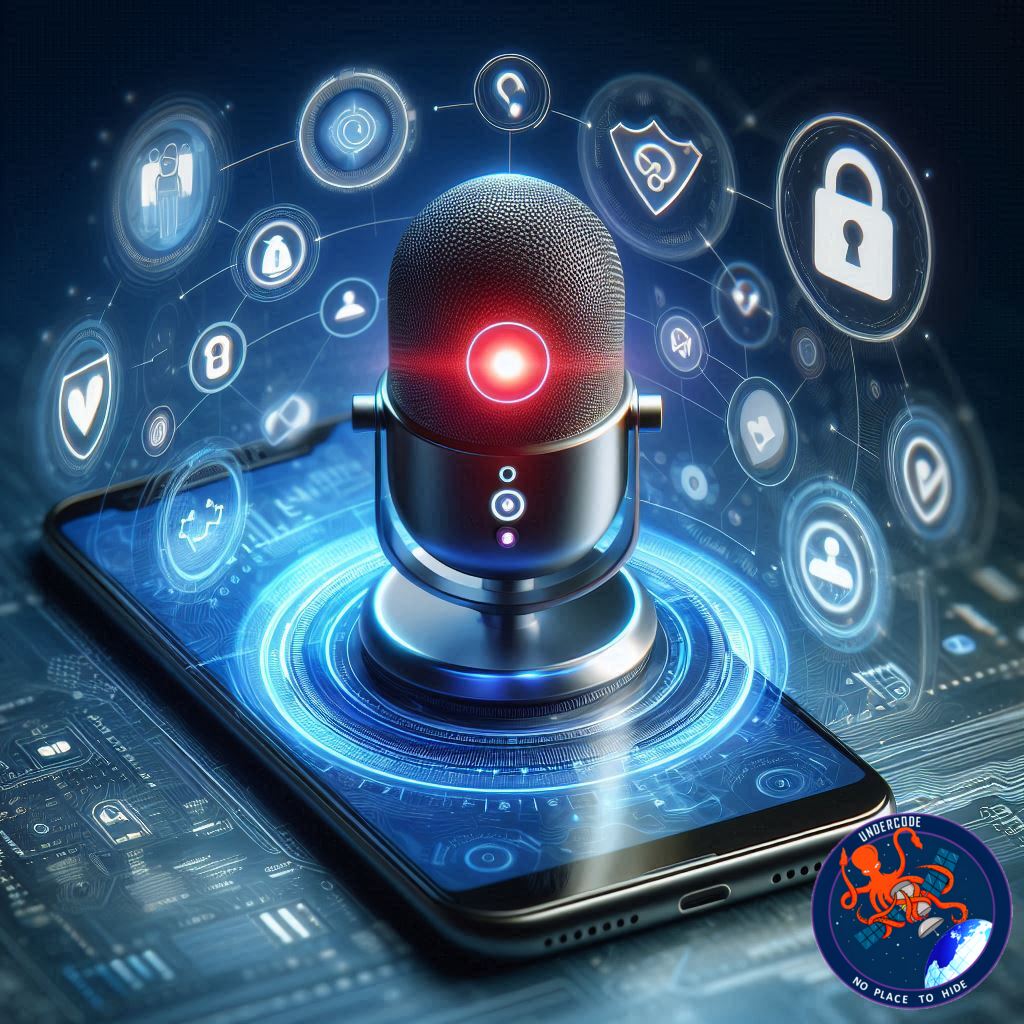
Introduction: When Convenience Comes at a Cost
In an era where voice assistants like Google Assistant, Amazon Alexa, and Apple’s Siri have become indispensable, the very technology designed to make life easier may be listening more than we realize. Google has agreed to a proposed $68 million settlement in a major class-action lawsuit claiming that its Assistant unlawfully recorded private conversations on Android devices—sometimes without users even saying the wake phrase. This case highlights the growing tension between convenience, personalization, and privacy in the digital age.
the Lawsuit and Settlement
The class-action suit, filed in federal court in San Jose, California, targets incidents known as “false accepts,” where Google Assistant allegedly activated and recorded ambient speech without hearing the wake words “Hey Google” or “OK Google.” Plaintiffs argue these accidental recordings sometimes captured highly sensitive conversations, which could have been processed in ways that violated user privacy expectations.
Adding fuel to the fire, the lawsuit also claimed some recordings were allegedly used for personalized advertising, a charge that strikes at the heart of concerns over Big Tech’s use of personal data. Google, however, denies any wrongdoing, emphasizing that the settlement is a pragmatic move to avoid the costs and distractions of a prolonged legal battle rather than an admission of guilt.
If the court approves the settlement, compensation will vary depending on the extent of users’ exposure. Device owners affected by the false activations may receive higher payouts—potentially in the tens of dollars—while those indirectly impacted could receive smaller amounts. Legal fees are expected to consume a significant portion of the fund, with plaintiffs’ lawyers potentially claiming up to one-third, roughly $22.7 million.
This lawsuit follows a precedent set by Apple in January 2025, when it paid $95 million to settle claims that Siri recorded private conversations without consent. Both cases underscore the challenges of balancing advanced voice technology with user privacy.
The Broader Context of Voice Assistant Privacy
Voice assistants are now embedded in mobile phones, smart speakers, connected TVs, and countless other devices. While they are engineered to respond only to wake words, independent studies have repeatedly shown that mistaken activations occur. Even occasional unintended recordings can seriously erode consumer trust.
Surveys like Bitdefender’s 2025 Consumer Cybersecurity Survey reveal that while users depend on tech giants for communication, entertainment, and financial services, anxiety over privacy and corporate control is growing. The Google settlement is yet another reminder that the “always-on” convenience of AI-driven devices comes with a hidden privacy price.
Google’s AI Future Amid Privacy Scrutiny
Even as Google navigates this settlement, it is advancing its AI strategy, including the rollout of Gemini AI. Earlier this month, Apple and Google announced a multi-year partnership leveraging Gemini to power the next generation of Siri, with both companies pledging stronger privacy enforcement. These developments suggest that while legal challenges may slow certain initiatives, the broader trajectory of voice AI integration into everyday life will continue.
What Undercode Says: Privacy, Trust, and the Future of Voice AI
The Hidden Cost of Convenience
Voice assistants are marvels of modern technology, offering hands-free access to information, services, and smart home controls. Yet this lawsuit exposes a fundamental flaw: even rare errors in activation can compromise private life. Users may begin to question whether the convenience outweighs potential exposure of personal conversations.
Legal Precedents and Industry Accountability
The Google case is part of a growing legal landscape holding tech giants accountable for unintended data collection. Apple’s $95 million Siri settlement sets a precedent that consumers increasingly expect transparency and compensation when privacy is violated. This trend suggests that future AI-powered services will be subject to stricter regulatory oversight, particularly in the EU and the U.S.
Data Monetization and Ethical Boundaries
The allegation that recordings were potentially used for targeted advertising adds another layer of concern. Even if not proven, the mere possibility fuels distrust in Big Tech’s data practices. Companies must now balance revenue opportunities with robust ethical frameworks and transparent user consent models.
The Role of AI in Future Devices
Despite privacy controversies, the demand for voice-driven AI is not slowing. Gemini AI, now tied to Siri and potentially other Google services, indicates a shift toward more integrated, context-aware assistants. However, maintaining user trust will require AI systems capable of reliably respecting privacy boundaries without sacrificing functionality.
Consumer Awareness and Empowerment
Ultimately, this settlement highlights the importance of user awareness. Consumers must understand how devices collect and process data, as well as their rights under evolving privacy laws. Tools for managing voice activation settings, reviewing stored recordings, and controlling data usage will be key differentiators for tech brands seeking user loyalty.
Innovation Under Scrutiny
Legal challenges like this could drive innovation toward safer, more privacy-conscious AI. Companies may invest in advanced detection algorithms that reduce false activations, encryption methods that protect ambient recordings, and on-device processing that limits cloud exposure.
The Trust Paradox
Voice AI thrives on access to personal data for contextual functionality. Yet as privacy concerns mount, trust becomes the rarest commodity. How Google, Apple, and Amazon navigate this paradox will shape the next decade of voice assistant adoption.
🔍 Fact Checker Results
✅ Google has proposed a $68 million settlement in a class-action lawsuit regarding Assistant recordings.
✅ The lawsuit cites unintended activations, known as “false accepts,” capturing private conversations.
❌ No official admission of wrongdoing by Google; settlement is a legal strategy, not a guilt acknowledgment.
📊 Prediction: A Privacy-Driven Shift in Voice AI
As voice assistants become more ingrained in daily life, regulatory and consumer pressure will likely push Big Tech to enhance privacy safeguards. We can anticipate stricter oversight, more transparent consent mechanisms, and a rise in AI systems that process audio locally rather than in the cloud. Companies that successfully blend convenience with privacy will capture the market’s trust, while those that fail may face mounting legal and reputational risks.
Voice AI is here to stay, but the next era will reward those who respect the delicate balance between intelligence and discretion.
🕵️📝✔️Let’s dive deep and fact‑check.
References:
Reported By: www.bitdefender.com
Extra Source Hub (Possible Sources for article):
https://www.github.com
Wikipedia
OpenAi & Undercode AI
Image Source:
Unsplash
Undercode AI DI v2
Bing
🔐JOIN OUR CYBER WORLD [ CVE News • HackMonitor • UndercodeNews ]
📢 Follow UndercodeNews & Stay Tuned:
𝕏 formerly Twitter 🐦 | @ Threads | 🔗 Linkedin | 🦋BlueSky | 🐘Mastodon


