
Listen to this Post
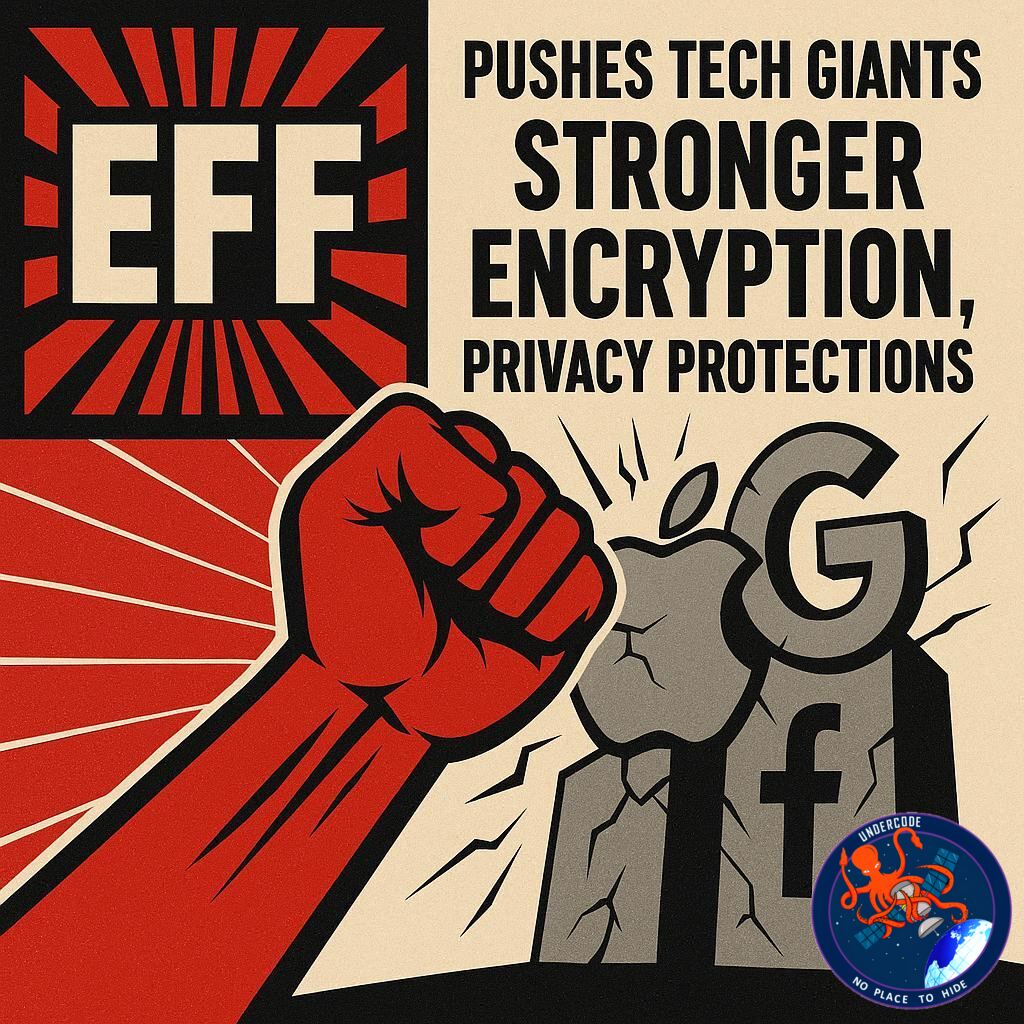
In a digital world where our personal data is constantly under threat, the Electronic Frontier Foundation (EFF) is stepping up its fight for privacy. The organization has launched a new initiative called “Encrypt It Already”, urging major tech companies to implement stronger encryption, enhance privacy defaults, and give users more control over their information. The campaign shines a spotlight on the growing gap between what companies promise about privacy and what they actually deliver.
EFF Demands Broader End-to-End Encryption
End-to-end encryption (E2EE) remains the gold standard for protecting sensitive data. According to the EFF, E2EE ensures that only the intended recipients can read messages, preventing unauthorized access—even by service providers themselves. Despite its importance, the EFF notes that far too few companies have adopted encryption widely across their products.
The campaign specifically calls on Meta, Apple, Google, Bluesky, Telegram, and Ring to expand encryption across all platforms, make privacy-friendly settings the default, and uphold previous commitments to secure communications. Users should also have more granular control over how their data is accessed and used, according to the EFF.
Apple in the Spotlight
Apple faces particular scrutiny from the EFF. The organization wants the company to:
Deliver interoperable E2EE for RCS messaging, ensuring that cross-platform communication remains secure.
Introduce AI-specific permissions on apps, so users can block AI access to private messaging platforms—a warning echoed by Signal President Meredith Whittaker, who recently highlighted the security risks of AI agents directly interacting with encrypted chats.
Apple may be closer to fulfilling the first demand. The recent iOS 26.3 beta 2 introduced carrier bundle settings that support E2EE for RCS messages in the Messages app. This comes after Apple and Google confirmed last year that they would implement end-to-end encryption for RCS following the GSM Association’s standardization. While progress stalled for months, these recent beta updates suggest an official rollout may be imminent.
Broader Implications for User Privacy
The EFF campaign underscores a critical point: privacy shouldn’t be optional. By default, apps should protect users, not expose them. Features like AI permissions and robust encryption give people real control over their digital footprint, reducing vulnerabilities in a world increasingly dominated by smart devices, messaging apps, and AI-powered assistants.
What Undercode Says:
Privacy as a Non-Negotiable Standard
The EFF’s push highlights a fundamental truth: in the era of AI, data breaches, and mass surveillance, privacy cannot remain a secondary feature. Consumers now expect companies to take proactive measures rather than wait for crises to force action.
AI and Messaging: A New Threat Vector
Meredith Whittaker’s warning about AI access is especially relevant. As AI becomes integrated into messaging platforms, a single oversight in permissions could expose encrypted communications to unintended scrutiny. Companies that fail to implement granular AI controls risk compromising even the most secure systems.
Apple’s RCS Rollout: A Turning Point
Apple’s recent beta changes signal a pivotal moment in messaging security. If E2EE for RCS becomes standard, it could pressure competitors to follow suit, potentially reshaping global messaging privacy standards.
Industry Pressure as a Driver for Change
Campaigns like “Encrypt It Already” serve as more than moral reminders—they are practical levers for change. Public awareness and advocacy force tech giants to prioritize privacy, aligning business practices with user expectations.
Balancing Functionality and Security
While encryption is essential, companies must also balance it with usability and innovation. E2EE should enhance user experience without introducing friction, ensuring secure communication doesn’t come at the cost of convenience.
Consumer Education and Empowerment
Beyond technical measures, educating users about privacy settings, encryption benefits, and AI risks is critical. Empowered consumers can demand better security, creating a feedback loop that benefits the industry as a whole.
Regulatory Implications
The EFF campaign may influence policymakers to tighten privacy regulations. Companies that lag in encryption adoption could face stricter oversight, fines, or mandates—pushing privacy from optional to compulsory.
The Competitive Edge of Privacy
Tech companies that prioritize encryption and user control may gain a competitive advantage. Privacy-conscious consumers are increasingly loyal to brands that protect their data, translating security into a market differentiator.
Ethical Responsibility in the Age of AI
As AI tools gain access to sensitive data, ethical responsibilities become paramount. Tech companies must not only comply with standards but anticipate potential misuse, setting a precedent for responsible innovation.
Global Impact of Encryption Standards
Standardizing E2EE across major platforms could have ripple effects worldwide. With cross-platform security, users can communicate safely regardless of device or provider, establishing a new baseline for digital privacy.
Long-Term User Trust
Trust is the most valuable currency in tech. Companies that fail to deliver on encryption promises risk reputational damage that no marketing campaign can fix.
Integration Challenges
Implementing robust encryption across varied ecosystems is technically complex. However, incremental adoption—like Apple’s RCS beta update—demonstrates that progress is achievable and inevitable.
The Role of Advocacy
EFF’s campaign is a reminder that civil society organizations play a crucial role in shaping technology. Without such advocacy, privacy innovation often lags behind commercial incentives.
Preparing for a Privacy-Centric Future
As digital threats evolve, the tech industry must pivot from reactive measures to proactive security. E2EE, AI permissions, and privacy-first defaults represent the future of secure communication.
User Autonomy as a Guiding Principle
Ultimately, the EFF emphasizes that users—not corporations—should control personal data. Full encryption and flexible settings ensure that control stays where it belongs.
Corporate Accountability
Transparency, audits, and adherence to encryption standards are necessary to hold tech giants accountable. Advocacy campaigns amplify these requirements in the public eye.
Innovation Without Sacrificing Privacy
Privacy and innovation should coexist. Companies that master this balance will lead the next generation of secure, user-first digital experiences.
🔍 Fact Checker Results
✅ EFF officially launched the “Encrypt It Already” campaign targeting major tech companies.
✅ Apple and Google confirmed plans to implement end-to-end encryption for RCS messaging.
❌ Claims about immediate AI integration risks remain speculative; no breaches reported yet.
📊 Prediction
Expect a wave of updates in messaging apps over the next year as tech companies respond to advocacy and competitive pressure. Apple’s RCS E2EE rollout may set the stage for broader industry adoption, while AI permission controls could become a standard feature across major platforms. User privacy will likely shift from being optional to a key differentiator in tech adoption, with advocacy campaigns accelerating policy changes globally.
🕵️📝✔️Let’s dive deep and fact‑check.
References:
Reported By: 9to5mac.com
Extra Source Hub (Possible Sources for article):
https://www.reddit.com
Wikipedia
OpenAi & Undercode AI
Image Source:
Unsplash
Undercode AI DI v2
Bing
🔐JOIN OUR CYBER WORLD [ CVE News • HackMonitor • UndercodeNews ]
📢 Follow UndercodeNews & Stay Tuned:
𝕏 formerly Twitter 🐦 | @ Threads | 🔗 Linkedin | 🦋BlueSky | 🐘Mastodon


