
Listen to this Post
Introduction: A Familiar Alert Hiding a Dangerous Trap
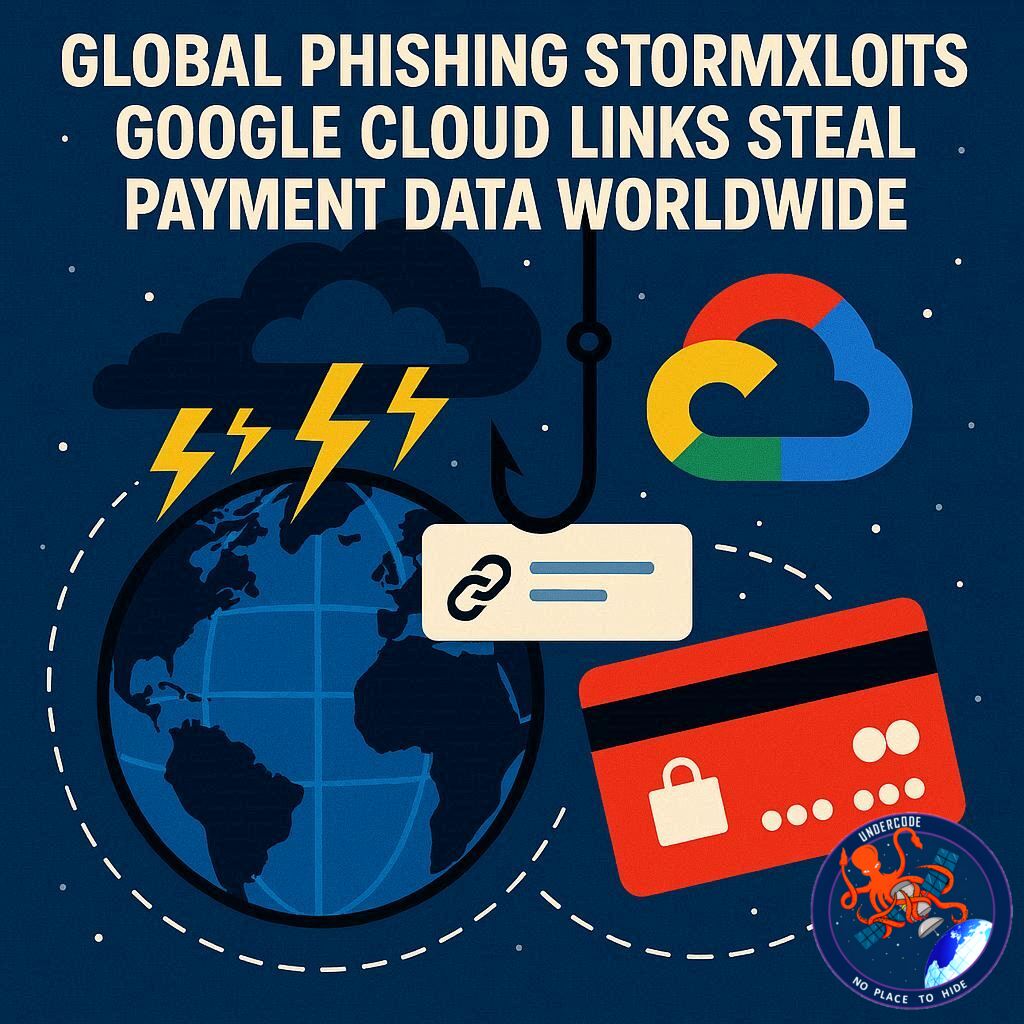
A new global phishing campaign is quietly slipping into inboxes by disguising itself as a routine cloud storage payment failure. The emails look mundane, even boring, but that is exactly why they work. By abusing legitimate-looking Google Cloud Storage redirect links, attackers are bypassing basic security filters and luring victims to impersonation websites designed to harvest payment details. What appears to be a simple billing issue quickly turns into a high-risk data theft operation with global reach.
the Original Report
The alert shared by Cybersecurity News Everyday highlights a widespread phishing campaign actively targeting users across multiple regions. The attackers distribute emails claiming that a cloud storage payment has failed and immediate action is required to avoid service disruption. Instead of directly linking to a malicious domain, the emails rely on storage.googleapis.com redirect URLs, a trusted Google Cloud domain, to move victims past security checks and into a false sense of safety. Once clicked, the victim is redirected to an impersonation site that mimics legitimate payment portals. These fake pages are not always tied to cloud services; in many cases, they unexpectedly push unrelated products or services while silently collecting sensitive payment information. The campaign is global in scope, indicating automation and a well-organized infrastructure. Its success depends on brand impersonation, user urgency, and the misuse of trusted cloud platforms, making it harder for both users and automated defenses to detect the threat in time.
What Undercode Say:
This campaign is a textbook example of how phishing has evolved beyond sloppy emails and obvious fake domains. The real danger here is not the message itself, but the infrastructure choice behind it. By leveraging Google Cloud Storage redirects, attackers are effectively hiding behind one of the most trusted technology brands in the world. Many email gateways and endpoint protections still treat such domains as inherently safe, giving these phishing emails a clean pass straight into user inboxes.
What makes this operation more concerning is the psychological precision. Payment failure alerts trigger anxiety, especially for professionals and businesses dependent on cloud services. Users are conditioned to act fast, click first, and think later. The impersonation sites capitalize on this urgency, presenting polished interfaces that closely resemble real billing pages.
Another alarming aspect is the monetization strategy. Instead of stopping at credential theft, some of these sites push unrelated products, suggesting affiliate fraud, card testing, or layered scam operations. This points to a modular phishing ecosystem where traffic, data, and financial exploitation are all part of the same pipeline.
From a defensive standpoint, this campaign exposes a blind spot in modern cybersecurity: trust-based filtering. Cloud platforms, CDN services, and reputable hosting providers are increasingly being weaponized as camouflage. Security teams can no longer rely solely on domain reputation and must shift toward behavior-based detection and user education.
For individuals, the takeaway is harsh but simple. Any unexpected payment alert, even from a trusted-looking source, should be verified manually by logging into the service directly, never through embedded links. For organizations, this incident reinforces the need for continuous phishing simulations, stricter email inspection rules, and zero-trust assumptions—even when Google’s name is in the URL.
Fact Checker Results
The campaign uses legitimate Google Cloud Storage redirect links, a verified technique increasingly abused in phishing attacks.
The phishing emails impersonate cloud payment failures, consistent with recent global scam trends.
No evidence suggests Google Cloud itself is breached; the abuse is limited to link redirection misuse.
Prediction
Phishing campaigns abusing trusted cloud infrastructure will continue to rise, with attackers increasingly hiding behind well-known platforms to evade detection. As email security tightens around malicious domains, redirects and reputable hosting services will become the next major battleground in the global fight against digital fraud.
🕵️📝✔️Let’s dive deep and fact‑check.
References:
Reported By: x.com
Extra Source Hub (Possible Sources for article):
https://www.reddit.com
Wikipedia
OpenAi & Undercode AI
Image Source:
Unsplash
Undercode AI DI v2
Bing
🔐JOIN OUR CYBER WORLD [ CVE News • HackMonitor • UndercodeNews ]
📢 Follow UndercodeNews & Stay Tuned:
𝕏 formerly Twitter 🐦 | @ Threads | 🔗 Linkedin | 🦋BlueSky | 🐘Mastodon


