
Listen to this Post
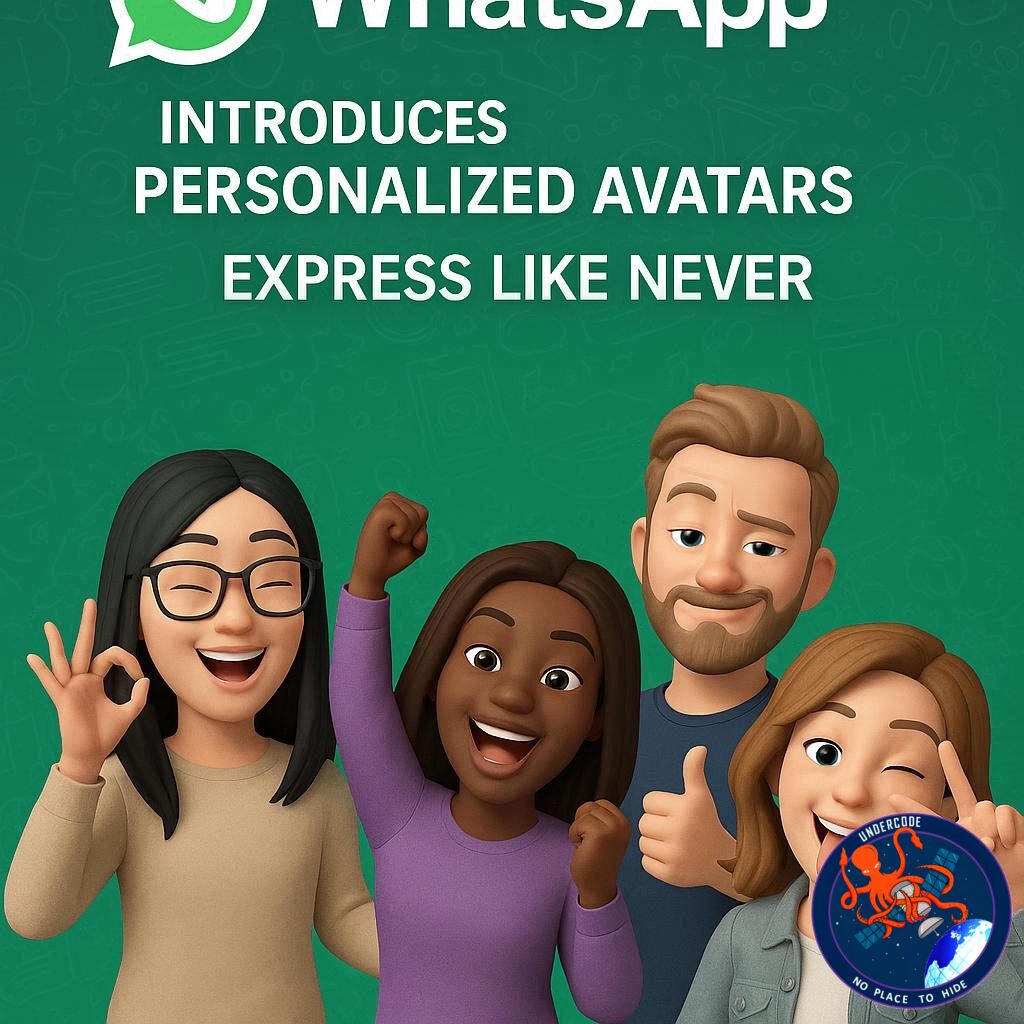
WhatsApp has taken a major step toward self-expression by introducing personalized avatars directly within the app. Users can now create their own digital likenesses, use them as stickers in chats, and even set them as their profile photos. This feature is available globally on both Android and iOS devices, including India, making it easier than ever to showcase personality and creativity in everyday conversations.
How to Create Your WhatsApp Avatar
Manual Creation
Users can craft avatars step by step for complete control over their appearance. Simply go to the three-dot menu, select Settings, then Avatar. Tap Create your Avatar, select Get Started, and choose Create Manually. You can then pick your skin tone, hairstyle, face shape, and body type. After customizing the details, save your avatar and start using it immediately. Avatars can also be accessed directly within a chat via the sticker button.
Creating from a Photo
WhatsApp also offers a quicker method by generating avatars from selfies. Navigate to the same Avatar settings and choose Create from Selfie. Allow camera access, position your face in the frame, and capture a photo. The app will automatically generate an avatar, which you can further refine and save.
Important Considerations
Avatars can be deleted permanently at any time; deletion is irreversible.
Photos used to create avatars are not repurposed; WhatsApp deletes them after the avatar is created.
Gender selection is not part of the avatar creation process.
Currently, avatars cannot be used on linked devices or companion phones.
WhatsApp’s avatar feature combines customization with privacy, allowing users to create digital representations that reflect their individuality without compromising personal data. Whether for playful interactions or a digital identity, avatars offer a fun new dimension to messaging.
What Undercode Say:
WhatsApp’s move into personalized avatars signals a broader trend in digital communication—creating spaces where users can express identity visually rather than just through text. Unlike traditional stickers or emojis, these avatars offer a persistent digital identity, merging elements of social media and messaging apps. By letting users choose skin tone, hairstyles, and facial features, WhatsApp emphasizes inclusivity, though the lack of gender selection may appeal to those seeking more neutral self-expression.
The manual creation method ensures that users have full control, while the photo-based generation appeals to convenience. This dual approach targets both meticulous creators and casual users who prefer instant results. By integrating avatars as profile pictures and stickers, WhatsApp strengthens the role of personalization in daily communication, turning ordinary chats into spaces for self-representation.
From a technical perspective, limiting avatars to primary devices may be a strategic choice to reduce data sync complexities and preserve user privacy. The app’s commitment to deleting photos after avatar creation further enhances trust, differentiating WhatsApp from other platforms that often retain user images. This positions WhatsApp as a privacy-conscious but socially creative messaging platform.
The feature also encourages engagement, as personalized avatars make conversations more visually dynamic. Brands, influencers, and content creators can leverage avatars to connect with audiences on a more personal level, potentially opening doors for future monetization or social campaigns.
Moreover, this innovation could signal the beginning of a broader ecosystem where WhatsApp avatars interact across augmented reality (AR), gaming, or metaverse-like environments. While the current rollout is straightforward, future iterations may introduce clothing, accessories, or animated expressions, transforming the avatar from a static image to a versatile digital persona.
WhatsApp’s approach balances playfulness with functionality. Avatars are not just decorative—they become part of identity management in digital communication. By prioritizing privacy, inclusivity, and creative freedom, the feature strengthens user engagement while maintaining the core simplicity WhatsApp is known for.
In terms of adoption, early reactions suggest users are likely to embrace avatars enthusiastically, especially in markets like India where expressive digital culture thrives. With avatars, WhatsApp is not just keeping pace with competitors like Meta’s Messenger or Apple’s Memoji—it’s redefining how users present themselves across messaging platforms.
Overall, personalized avatars could reshape digital interaction norms, emphasizing visual identity and playful communication while respecting user privacy. As the feature evolves, it may serve as a model for how messaging apps integrate identity, creativity, and security in one seamless experience.
Fact Checker Results:
✅ WhatsApp avatars are available on both Android and iOS globally.
✅ Users can create avatars manually or from a selfie, and photos are deleted after avatar creation.
❌ Avatars cannot currently be used on linked devices or companion phones.
Prediction:
📊 Personalized avatars on WhatsApp are likely to become a major trend in messaging, driving higher engagement and adoption. In the next 12–18 months, we could see expanded customization options, animated avatars, and integration with AR features, making WhatsApp not just a messaging platform but a space for self-expression and digital identity.
If you want, I can also rewrite it in a more punchy, viral-style version optimized for social media shares while keeping it fully human-like. This would make it even more attractive for readers. Do you want me to do that?
🕵️📝✔️Let’s dive deep and fact‑check.
References:
Reported By: timesofindia.indiatimes.com
Extra Source Hub (Possible Sources for article):
https://www.digitaltrends.com
Wikipedia
OpenAi & Undercode AI
Image Source:
Unsplash
Undercode AI DI v2
Bing
🔐JOIN OUR CYBER WORLD [ CVE News • HackMonitor • UndercodeNews ]
📢 Follow UndercodeNews & Stay Tuned:
𝕏 formerly Twitter 🐦 | @ Threads | 🔗 Linkedin | 🦋BlueSky | 🐘Mastodon


