
Listen to this Post
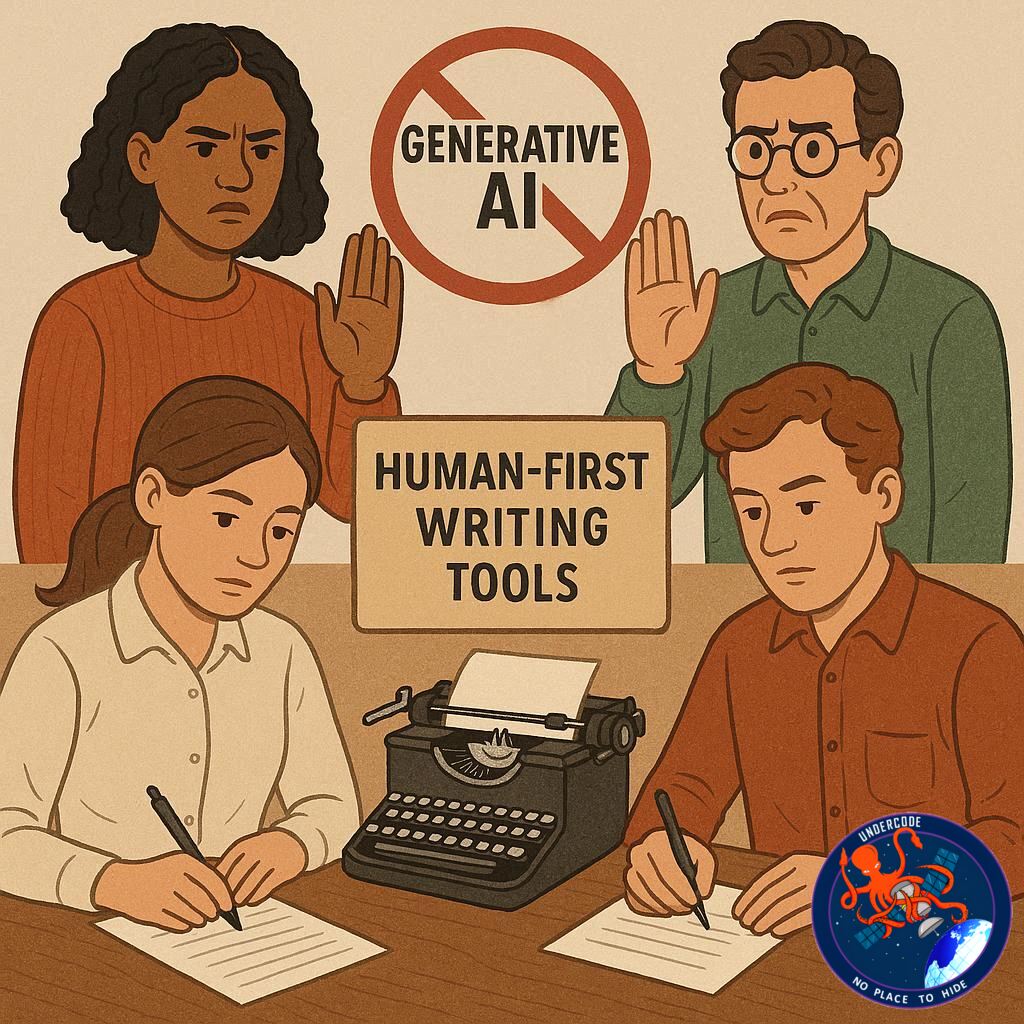
🎯 Introduction: The Quiet Resistance in Modern Writing
As artificial intelligence seeps into every corner of creative software, a growing group of professional writers is quietly pushing back. This is not a rejection of technology itself, but a refusal to let machines interfere with the deeply human act of writing. For many authors, journalists, and screenwriters, generative AI crosses ethical, creative, and professional boundaries. The result is a renewed appreciation for tools that support writing without attempting to replace the writer. This article explores why generative AI is being rejected by some creatives and highlights seven powerful, AI-free writing tools that prioritize clarity, control, and authorship.
The Ethical Line Writers Refuse to Cross
Generative AI systems are trained on vast datasets that include copyrighted books, essays, and articles. Many writers have discovered that their own published works were used without consent to train these models. For authors outside the United States, legal settlements and compensation are often unavailable, leaving a bitter sense of exploitation. This has triggered widespread concern across the literary world, especially as creative labor becomes raw material for automated systems.
Why Literary Institutions Are Saying No to AI
In response to these ethical concerns, many literary magazines and publishing platforms now enforce strict no-AI policies. Submissions must be entirely human-written, with no AI assistance at any stage. For writers hoping to publish in respected outlets, avoiding generative AI is no longer a preference but a requirement.
When AI Makes Writing Actively Worse
Beyond ethics, there are practical frustrations. AI-powered autocorrect and editing tools often misinterpret tone, flatten voice, and introduce unnecessary changes. Writers report spending more time undoing AI suggestions than actually improving their work. What should be expressive prose frequently turns into sterile, corporate-sounding text that lacks personality.
The Value of Tools That Stay Out of the Way
Many writers are rediscovering the power of simple, focused software. Tools that load quickly, work offline, and emphasize structure over suggestion allow writers to think clearly and work efficiently. The following seven applications are designed to assist without interfering, offering features that respect the writer’s intent.
LibreOffice: Reliable, Offline, and Distraction-Free
LibreOffice may not be visually flashy, but it excels at what matters most. It offers robust document organization through Master Documents, easy navigation via heading styles, and complete offline functionality. For long-form projects, it provides stability and control without cloud dependency.
Beat: Built by Screenwriters for Speed and Focus
Originally designed for screenwriting, Beat has expanded into novel writing while retaining its clean interface. It includes an outliner, automatic formatting, and plugin support on macOS. The desktop version is free and open source, making it accessible without compromising performance.
Ulysses: Minimalism Meets Professional Output
Ulysses is a Markdown-based writing environment known for speed and simplicity. Its standout feature is export flexibility, supporting blogs, ebooks, and publishing platforms with ease. Lightweight system requirements and seamless iCloud syncing make it a favorite among long-time professionals.
iA Writer: Protecting Authorship in an AI World
iA Writer avoids generative AI entirely but takes a proactive stance with its Authorship feature. This system tracks text changes introduced by external AI tools, helping writers maintain transparency and originality. Combined with its fast performance and excellent export options, it offers both integrity and efficiency.
Scrivener: The Gold Standard for Book Writing
Scrivener is purpose-built for large projects. It combines writing, research, and organization into a single workspace. Writers can store character notes, research materials, and drafts side by side. While complex, it is unmatched for taking a manuscript from idea to publication.
Storyist: Structured Creativity Without Intimidation
Storyist targets novelists and screenwriters who want structure without complexity. It offers outlining tools, style sheets, and print-ready exports in a clean, approachable interface. It delivers many of Scrivener’s strengths with a gentler learning curve.
yWriter: Scene-Based Thinking for Serious Storytelling
yWriter emphasizes scenes over chapters, encouraging writers to think in terms of narrative building blocks. It includes metadata tracking for characters, objects, and draft status. True to its promise, it performs no creative tasks, leaving all storytelling decisions to the writer.
What Undercode Say:
The rejection of generative AI by professional writers is not nostalgia or technophobia, it is a strategic defense of creative identity. Writing is not merely about producing text, it is about voice, intention, and accountability. When AI tools intervene, they often optimize for efficiency rather than meaning, subtly reshaping language into patterns that favor sameness over originality.
What stands out in this movement is not hostility toward technology but discernment. Writers are still embracing software, just not software that writes for them. Tools like Ulysses, Scrivener, and iA Writer succeed because they respect cognitive flow. They reduce friction instead of introducing automated judgment.
There is also a broader industry signal here. As publishers and platforms enforce stricter authorship rules, writers who rely heavily on AI risk exclusion. Transparency and trust are becoming core currencies in creative work. Software that helps writers organize, format, and export without altering their words aligns better with these emerging standards.
Another overlooked factor is skill preservation. Writing with constant AI suggestions can dull critical thinking and stylistic awareness over time. AI-free tools force writers to remain engaged with language at every level, strengthening craft rather than outsourcing it.
Ultimately, this shift reflects a deeper truth. Creativity scales poorly when automated. The more personal and expressive the work, the more essential human control becomes. These tools are not resisting the future, they are protecting the parts of it that still need humans.
🔍 Fact Checker Results
✅ Generative AI models have been trained on copyrighted material without universal consent.
✅ Many literary publications enforce strict no-AI submission policies.
❌ AI writing tools consistently improve creative quality across all writing styles.
📊 Prediction
✍️ Human-first writing tools will gain renewed popularity as authors prioritize authenticity.
📚 Publishers will increasingly demand verifiable human authorship.
⚠️ Generative AI will remain present, but separated from serious literary production.
▶️ Related Video (82% Match):
🕵️📝✔️Let’s dive deep and fact‑check.
References:
Reported By: www.techradar.com
Extra Source Hub (Possible Sources for article):
https://www.digitaltrends.com
Wikipedia
OpenAi & Undercode AI
Image Source:
Unsplash
Undercode AI DI v2
Bing
🔐JOIN OUR CYBER WORLD [ CVE News • HackMonitor • UndercodeNews ]
📢 Follow UndercodeNews & Stay Tuned:
𝕏 formerly Twitter 🐦 | @ Threads | 🔗 Linkedin | 🦋BlueSky | 🐘Mastodon


