
Listen to this Post
A Silent Digital Ambush on American Healthcare
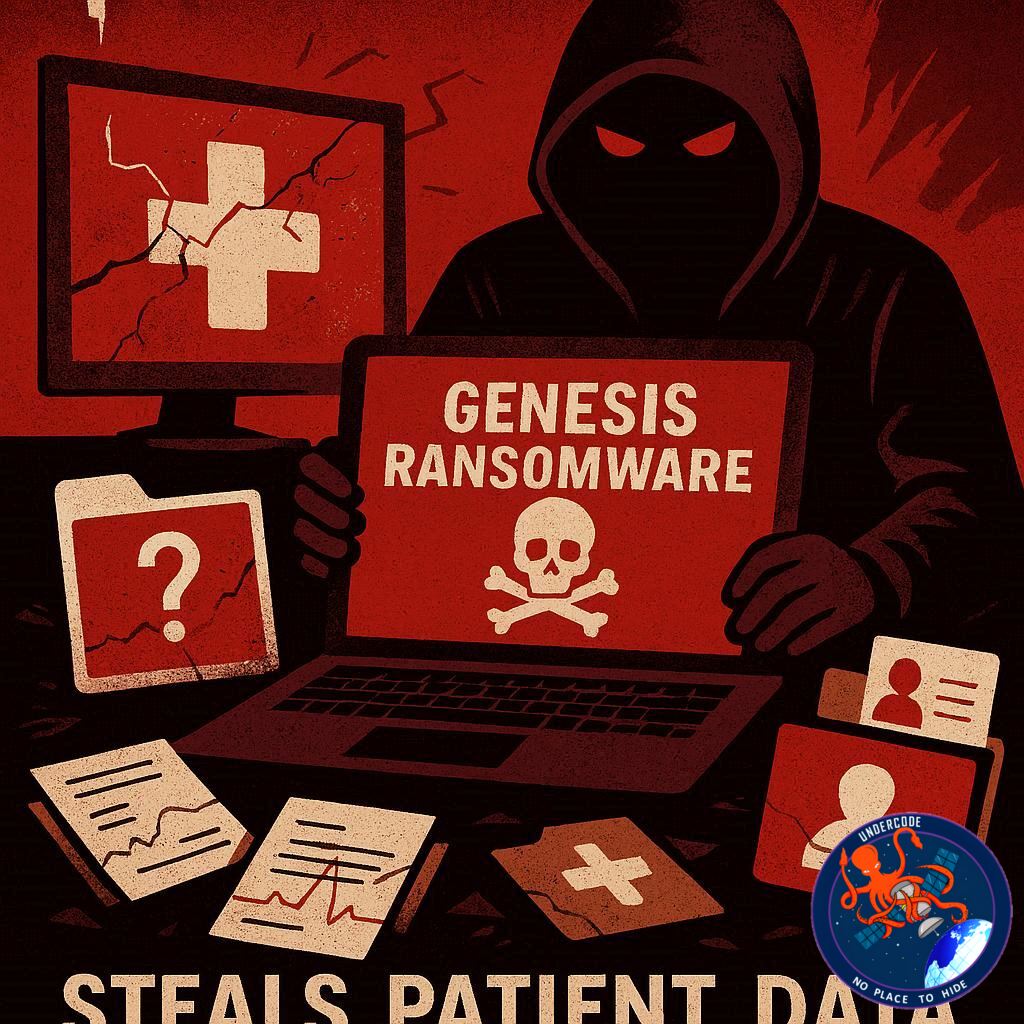
In the early hours of February 7, 2026, a chilling alert rippled through the cybersecurity community: the Genesis threat actor had allegedly breached a U.S.-based healthcare organization. What initially appeared as another routine ransomware post quickly escalated into a serious national concern, as reports indicated patient data theft alongside service disruptions. In a sector where downtime can cost lives, the implications extended far beyond financial loss.
The First Signal From the Threat Landscape
The incident surfaced through a post by the widely followed account Cybersecurity News Everyday, which cited threat intelligence shared via hendryadrian.com. The message was brief but alarming, stating that Genesis had targeted a healthcare entity, exfiltrated sensitive patient data, and issued a ransom demand coupled with threats of public disclosure.
Healthcare Once Again in the Crosshairs
Healthcare organizations remain one of the most lucrative and vulnerable targets for ransomware groups. Unlike other industries, hospitals and clinics cannot tolerate prolonged downtime, making them more likely to face intense pressure when systems are locked or patient data is compromised.
Data Theft as a Leverage Strategy
According to the post, Genesis did not rely solely on encryption or disruption. The actor allegedly stole patient information, weaponizing privacy itself. This tactic, often referred to as “double extortion,” has become standard practice among modern ransomware gangs seeking to maximize leverage over victims.
Operational Disruption and Its Human Cost
Beyond data theft, services were reportedly disrupted. In healthcare environments, this can translate into delayed treatments, canceled appointments, and forced reversion to paper-based systems. Even short interruptions can cascade into serious patient safety risks.
Ransom Demand and Public Exposure Threats
Genesis reportedly issued a ransom demand while threatening to leak the stolen data publicly if payment was not made. Such threats exploit regulatory pressure, reputational damage, and potential legal consequences, especially under strict U.S. healthcare privacy laws.
The Role of Social Media in Threat Intelligence
The disclosure of the incident via X (formerly Twitter) highlights how threat intelligence now often breaks first on social platforms. Accounts dedicated to ransomware monitoring have become early warning systems for defenders, journalists, and policymakers alike.
Limited Public Details, Maximum Uncertainty
As of the initial report, no specific healthcare organization was publicly named. This lack of detail is common in early-stage disclosures, either to protect ongoing investigations or because victims have not yet confirmed the breach.
A Familiar Pattern in Ransomware Operations
Genesis’s alleged approach mirrors a familiar ransomware playbook: infiltrate, exfiltrate, disrupt, demand, and threaten. While technically unremarkable, the effectiveness lies in targeting critical infrastructure where tolerance for risk is minimal.
Regulatory Pressure Intensifies the Impact
In the United States, healthcare data breaches trigger mandatory reporting obligations and potential fines. The mere possibility of patient data exposure can be devastating, even before any leaked data appears online.
Growing Anxiety Across the Sector
News of yet another healthcare breach reinforces a growing sense of inevitability within the industry. Despite years of warnings, investments, and policy discussions, ransomware continues to strike with unsettling regularity.
A Snapshot of a Larger Crisis
This single post, though short, reflects a broader and ongoing crisis in healthcare cybersecurity. It underscores how threat actors view hospitals not as off-limits humanitarian institutions, but as high-value targets with limited defensive resilience.
What Undercode Says:
Genesis as Part of the New Ransomware Reality
The Genesis incident is less about a single threat actor and more about the normalization of healthcare extortion. Ransomware groups no longer need groundbreaking exploits; they rely on organizational fatigue, understaffed IT teams, and legacy systems that are difficult to secure.
Why Healthcare Remains an Easy Target
Healthcare environments are uniquely complex. They blend modern IT systems with outdated medical devices, third-party vendors, and constant staff turnover. This creates a sprawling attack surface that is difficult to monitor in real time.
Data Value Beyond Immediate Ransom
Stolen patient data has long-term value far beyond a single extortion event. Medical records can be resold, reused for identity fraud, or leveraged in future attacks, making healthcare breaches especially profitable over time.
The Psychological Pressure of Patient Harm
Unlike attacks on retail or manufacturing, healthcare ransomware introduces an ethical dimension. Attackers exploit the moral burden placed on administrators who must weigh ransom payments against potential patient harm.
Double Extortion as the Default Playbook
The threat to leak data is no longer a secondary tactic; it is central to modern ransomware strategy. Even organizations with strong backups remain vulnerable if sensitive data has already been exfiltrated.
Public Silence as a Defensive Move
The absence of an identified victim may indicate a deliberate choice to limit public panic or avoid tipping off attackers about defensive actions. Silence, however, can also delay collective learning across the sector.
Social Media as an Early Warning System
Threat-monitoring accounts now function as decentralized intelligence hubs. While unofficial, they often surface incidents days or weeks before formal disclosures, reshaping how cybersecurity news breaks.
The Regulatory Trap
Healthcare organizations face a regulatory paradox: disclose too early and risk reputational damage, disclose too late and risk penalties. Ransomware actors are keenly aware of this dilemma and exploit it aggressively.
The Economics of Healthcare Extortion
From an attacker’s perspective, healthcare offers a high return on investment. Even mid-sized organizations can face downtime costs that dwarf the ransom demand, skewing negotiations in the attacker’s favor.
Service Disruption as the Real Weapon
Encryption grabs headlines, but operational disruption is often the real pressure point. When scheduling systems, imaging platforms, or electronic health records go offline, the impact is immediate and visible.
Lessons Still Unlearned
Despite years of high-profile attacks, many healthcare organizations still lack network segmentation, robust incident response plans, or continuous monitoring. Each new breach suggests systemic issues remain unresolved.
The Role of Third-Party Risk
Many healthcare breaches originate from vendors, contractors, or managed service providers. Without strict third-party security standards, even well-defended organizations remain exposed.
Ransomware Fatigue Sets In
As attacks become routine, there is a danger of normalization. Executives may view ransomware as an unavoidable cost of doing business rather than a preventable risk, weakening long-term resilience.
National Security Implications
When healthcare systems are disrupted at scale, the issue transcends corporate security and enters the realm of national resilience. Persistent attacks erode public trust in essential services.
A Warning, Not an Outlier
The Genesis incident should be viewed as another data point in a relentless trend. Without structural change, similar attacks will continue to surface with alarming regularity.
🔍 Fact Checker Results
✅ The Genesis threat actor has been publicly linked to ransomware-style extortion tactics targeting critical sectors.
✅ Healthcare organizations in the U.S. are frequent ransomware targets due to operational sensitivity.
❌ No official confirmation has yet identified the specific victim organization or verified the full scope of data stolen.
📊 Prediction
The Genesis incident is unlikely to remain isolated. Over the coming months, healthcare ransomware campaigns are expected to intensify, with more groups adopting aggressive data-leak strategies. Unless systemic security gaps are addressed, patient data extortion will continue to be one of the most effective pressure tools in the ransomware economy.
🕵️📝✔️Let’s dive deep and fact‑check.
References:
Reported By: x.com
Extra Source Hub (Possible Sources for article):
https://www.quora.com/topic/Technology
Wikipedia
OpenAi & Undercode AI
Image Source:
Unsplash
Undercode AI DI v2
Bing
🔐JOIN OUR CYBER WORLD [ CVE News • HackMonitor • UndercodeNews ]
📢 Follow UndercodeNews & Stay Tuned:
𝕏 formerly Twitter 🐦 | @ Threads | 🔗 Linkedin | 🦋BlueSky | 🐘Mastodon


