
Listen to this Post
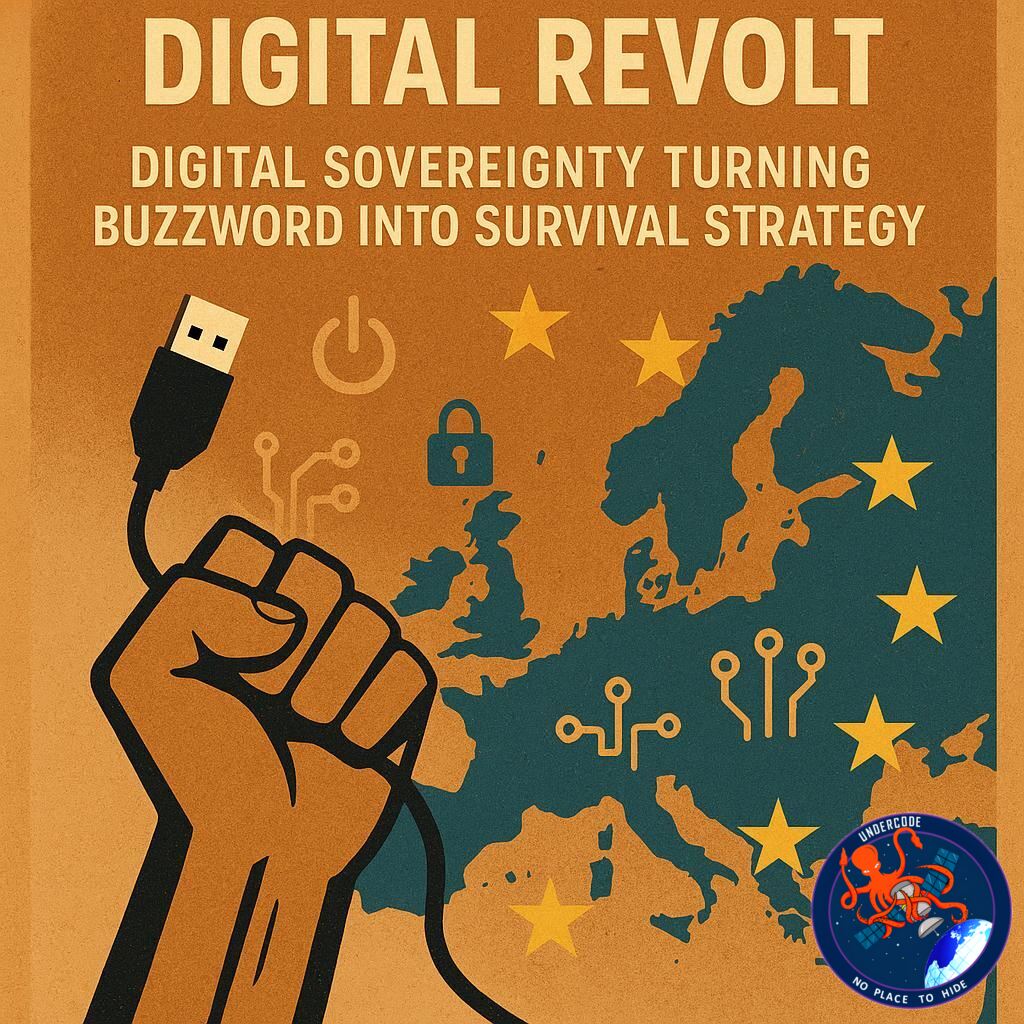
Introduction: Why Europe Is Rethinking Its Digital Dependence
Digital sovereignty has quietly moved from an abstract policy goal to a concrete operational priority across Europe. Governments, enterprises, and civil society are increasingly questioning their reliance on non-European digital infrastructure, cloud platforms, and communication tools. Rising geopolitical tensions, surveillance concerns, and regulatory pressure are accelerating a push toward technology stacks that can be governed, audited, and controlled locally. The discussion is no longer about ideology, but about resilience, autonomy, and long-term security.
the Original A Practical Roadmap to Digital Sovereignty
The original post highlights a pragmatic, step-by-step approach to advancing digital sovereignty rather than advocating for abrupt or disruptive change. Instead of immediate large-scale migrations, organizations are encouraged to begin with a detailed inventory of their existing digital services. This inventory helps identify which platforms are mission-critical, which handle sensitive data, and which could be replaced with minimal friction.
The article emphasizes prioritization as the second crucial step. Not all digital services carry the same strategic weight, and attempting to replace everything at once often leads to failure. By ranking services based on importance, data sensitivity, and operational risk, organizations can focus their efforts where sovereignty matters most.
A central theme is gradual migration toward European-based alternatives. Tools such as Signal for secure messaging, Matrix for decentralized communication, and Nextcloud for file storage and collaboration are presented as viable replacements for dominant non-European platforms. These solutions are framed not as compromises, but as mature ecosystems that already meet many enterprise and public-sector needs.
The article also underscores that digital sovereignty is not purely technical. Governance, policy alignment, and user education are critical to success. Without buy-in from employees and stakeholders, even the best-designed migration strategies can stall. Incremental change allows teams to adapt workflows while maintaining continuity.
Finally, the post frames digital sovereignty as an ongoing process rather than a one-time project. Continuous evaluation, reassessment of vendors, and long-term investment in open and European technologies are portrayed as essential for sustaining autonomy in an evolving threat landscape.
What Undercode Says:
Digital Sovereignty as a Security Control, Not a Political Statement
Digital sovereignty is often discussed in political terms, but its real value lies in security architecture. Control over infrastructure, encryption standards, and data residency directly reduces systemic risk. When core services are hosted and governed outside Europe, incident response timelines, legal clarity, and forensic access can all be compromised.
The Hidden Risk of Convenience-Driven Tech Stacks
For years, organizations optimized for speed and convenience, defaulting to globally dominant platforms without considering long-term dependency. This created silent single points of failure. Sovereignty-focused inventories expose how deeply embedded certain vendors have become, revealing operational risks that were previously invisible.
European Alternatives Are No Longer “Second Best”
A decade ago, European platforms were often dismissed as less polished or less scalable. That perception is outdated. Signal, Matrix, and Nextcloud have matured into robust ecosystems with strong encryption models, active development communities, and growing enterprise adoption. The gap today is less about capability and more about habit.
Incremental Migration Reduces Operational Shock
The step-by-step model is critical. Abrupt platform replacements tend to trigger resistance, productivity loss, and shadow IT. Gradual transitions allow parallel usage, controlled testing, and phased decommissioning, making sovereignty achievable without disrupting daily operations.
Open Standards as the Real Power Multiplier
True sovereignty is not just about geography, but about openness. Platforms built on open standards reduce vendor lock-in and enable interoperability. This flexibility ensures that future migrations remain possible, preventing today’s European alternatives from becoming tomorrow’s rigid dependencies.
Economic Spillover Effects for the European Tech Ecosystem
As adoption grows, European platforms benefit from increased funding, talent attraction, and innovation cycles. This creates a reinforcing loop where sovereignty efforts strengthen the regional tech economy, which in turn produces more competitive tools.
Digital Sovereignty in the Age of Hybrid Threats
Cyberattacks, disinformation, and economic pressure are increasingly intertwined. Sovereign digital infrastructure limits external leverage during crises. When communication, storage, and collaboration tools are locally governed, coercive pressure through service disruption becomes far less effective.
The Long Game: Cultural Change Over Technical Change
Ultimately, digital sovereignty succeeds or fails at the cultural level. Organizations must shift from short-term efficiency thinking to long-term resilience planning. This mindset change is slower than a software migration, but it is the foundation that makes every technical decision sustainable.
🔍 Fact Checker Results
✅ The referenced tools (Signal, Matrix, Nextcloud) are European-developed or European-governed projects.
✅ Incremental migration is a widely recommended best practice in enterprise IT transitions.
❌ Digital sovereignty does not eliminate cyber risk; it reduces dependency-related exposure rather than guaranteeing security.
📊 Prediction
European digital sovereignty efforts will accelerate over the next two years, driven less by regulation and more by risk management. Organizations that begin gradual migrations now will gain operational resilience and strategic flexibility, while late adopters may face rushed, high-cost transitions under regulatory or geopolitical pressure.
🕵️📝✔️Let’s dive deep and fact‑check.
References:
Reported By: x.com
Extra Source Hub (Possible Sources for article):
https://www.instagram.com
Wikipedia
OpenAi & Undercode AI
Image Source:
Unsplash
Undercode AI DI v2
Bing
🔐JOIN OUR CYBER WORLD [ CVE News • HackMonitor • UndercodeNews ]
📢 Follow UndercodeNews & Stay Tuned:
𝕏 formerly Twitter 🐦 | @ Threads | 🔗 Linkedin | 🦋BlueSky | 🐘Mastodon


