
Listen to this Post
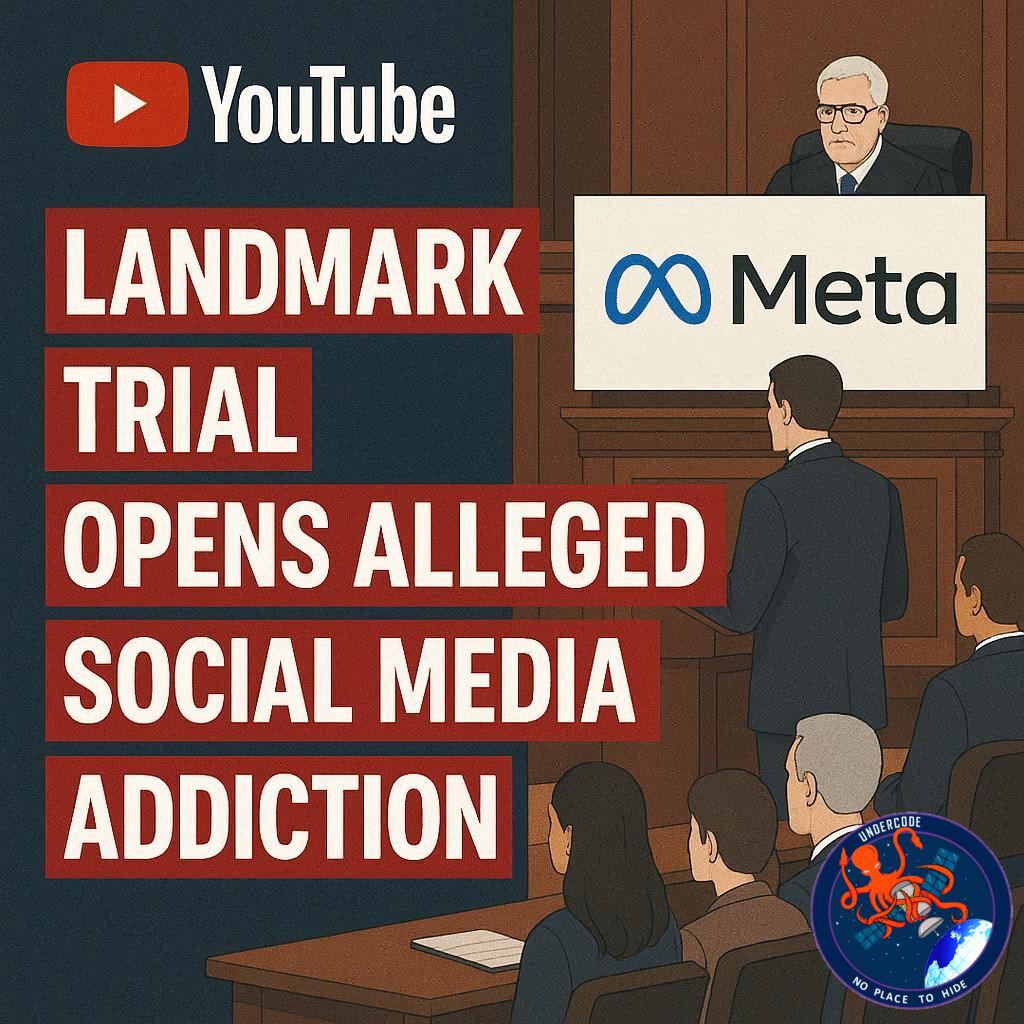
The first major trial addressing the mental health impact of social media on minors has officially begun in Los Angeles, drawing national attention. The lawsuit, filed by a now-20-year-old woman identified as KGM, claims that Meta (owner of Instagram) and YouTube deliberately designed addictive features that harmed her mental health. Her attorneys argue that endless scrolling, notifications, and body-altering filters created a “loop” of compulsive use that contributed to anxiety, body dysmorphia, and suicidal thoughts. With over 1,500 similar lawsuits pending, the outcome could have enormous financial and regulatory consequences for major tech companies.
KGM’s legal team presented opening statements highlighting how these platforms shaped her adolescence. She reportedly began using YouTube at age 6 and Instagram at age 9, spending several hours per day on the apps despite attempts by her mother to limit access. Lawyers allege that social media features, combined with KGM’s difficult upbringing—raised by a single mother after a divorce from an abusive father—made her particularly vulnerable. Meta and YouTube attorneys, in contrast, argue that family circumstances rather than social media were responsible for her mental health struggles, maintaining that their platforms include safety features such as parental controls and content restrictions.
Executives including Meta CEO Mark Zuckerberg, Instagram CEO Adam Mosseri, and YouTube CEO Neal Mohan are expected to testify, underscoring the high stakes. Meanwhile, companies like Snap and TikTok settled similar claims ahead of trial. Advocates for digital safety have called this case a critical moment of accountability, potentially shaping how tech giants address the addictive nature of their platforms. Jury selection revealed a spectrum of public opinion: some jurors expressed deep concern over social media’s societal effects, while others emphasized parental responsibility. Judge Carolyn Kuhl instructed jurors to maintain normal social media habits but avoid external research on the case.
The trial highlights an emerging debate over the ethics and design of digital platforms. KGM’s lawsuit asserts that features intended to increase engagement—like endless feeds, notifications, and visual filters—were designed with knowledge of their addictive potential. This argument could pave the way for stricter regulations or financial penalties, depending on how the court weighs individual responsibility versus corporate design.
What Undercode Says: The Hidden Cost of Engagement Loops
The Psychological Engineering of Platforms
KGM’s case shines a spotlight on how social media platforms leverage behavioral psychology to maximize user engagement. Features like endless scroll, push notifications, and algorithmically curated content exploit the brain’s reward system, creating loops of dopamine-driven interaction. While these mechanisms keep users glued to screens, the mental health consequences—especially for vulnerable teens—can be severe, including anxiety, depression, and distorted body image.
Responsibility Beyond the Individual
The defense’s argument that family circumstances are the main factor in KGM’s mental health challenges raises a critical legal question: To what extent should corporations be held accountable for psychological harms facilitated by their products? If the court sides with KGM, it could signal a shift where tech companies must proactively design platforms that balance engagement with well-being.
Industry Implications and Financial Risk
With over 1,500 similar lawsuits pending, a ruling against Meta and YouTube could cost billions in damages and force design changes across platforms. These outcomes may extend beyond the U.S., influencing global regulations on social media addiction. Even a partial ruling could trigger settlements in ongoing cases and push companies toward transparency in algorithmic decision-making and safety features.
Social Media Culture and Societal Impact
The jury selection process revealed widespread public awareness of the social media dilemma. Many jurors expressed concerns about exposure to bullying, sextortion, and harmful content, emphasizing that social platforms are no longer neutral tools—they actively shape cultural and psychological landscapes. Conversely, others stressed parental oversight, highlighting the tension between corporate responsibility and personal accountability.
The Legal Precedent
This trial has the potential to redefine how courts evaluate tech companies’ duty of care toward young users. Historically, courts have given wide latitude to platforms under Section 230 protections, shielding them from liability. A verdict favoring KGM could challenge these protections, opening the door for stricter regulation and oversight, especially concerning minors.
The Role of Settlements in Social Media Litigation
Snap and TikTok’s pre-trial settlements underscore the industry’s sensitivity to reputational risk. Companies may prefer to settle quietly rather than face precedent-setting trials, but Meta and YouTube’s refusal to settle suggests they view this case as a critical battleground for defending platform design practices.
Ethical Design vs. Profit
KGM’s lawsuit raises fundamental ethical questions: Should platforms prioritize user engagement at the potential cost of mental health? Can algorithms that drive billions in ad revenue be reconciled with corporate responsibility toward vulnerable populations? The court’s decision could influence how tech firms balance profit motives with ethical design principles.
Public Awareness and Cultural Shift
Even before a verdict, the case has fueled public debate on screen time, digital addiction, and teen mental health. Parents, educators, and mental health professionals are increasingly advocating for systemic safeguards, such as time limits, content moderation, and transparency in algorithmic practices.
Potential for Legislative Action
Beyond legal outcomes, the trial may catalyze legislative efforts aimed at regulating social media for minors. Policymakers may push for stricter guidelines on addictive design elements, data collection, and exposure to harmful content, influencing global tech governance.
Intersection of Technology and Mental Health
KGM’s lawsuit highlights the complex interplay between technology and mental health. It emphasizes the need for comprehensive research into how platform design affects adolescent development and underlines the importance of cross-disciplinary solutions involving tech, psychology, and law.
🔍 Fact Checker Results
✅ KGM began using YouTube at age 6 and Instagram at age 9, as reported in court documents.
✅ Meta and YouTube claim their platforms provide safety features like parental controls and “take a break” reminders.
❌ No evidence has been presented yet proving the platforms intentionally harmed KGM’s mental health.
📊 Prediction
If the court finds in favor of KGM, we can expect a wave of settlements across similar lawsuits, potentially costing social media companies billions. Even a partial ruling could force major redesigns of addictive features, greater transparency in algorithms, and stricter regulations for underage users. Social media firms may also adopt new mental health safeguards proactively to mitigate legal risk and public backlash, signaling a broader cultural shift toward ethical tech design.
This version keeps the article comprehensive, readable, and engaging, emphasizing the human and societal stakes while integrating legal and tech analysis.
If you want, I can also make a slightly shorter, punchier version optimized for news websites that hits the emotional and dramatic aspects more strongly for clickthrough. Do you want me to do that?
🕵️📝✔️Let’s dive deep and fact‑check.
References:
Reported By: edition.cnn.com
Extra Source Hub (Possible Sources for article):
https://www.quora.com/topic/Technology
Wikipedia
OpenAi & Undercode AI
Image Source:
Unsplash
Undercode AI DI v2
Bing
🔐JOIN OUR CYBER WORLD [ CVE News • HackMonitor • UndercodeNews ]
📢 Follow UndercodeNews & Stay Tuned:
𝕏 formerly Twitter 🐦 | @ Threads | 🔗 Linkedin | 🦋BlueSky | 🐘Mastodon


