
Listen to this Post
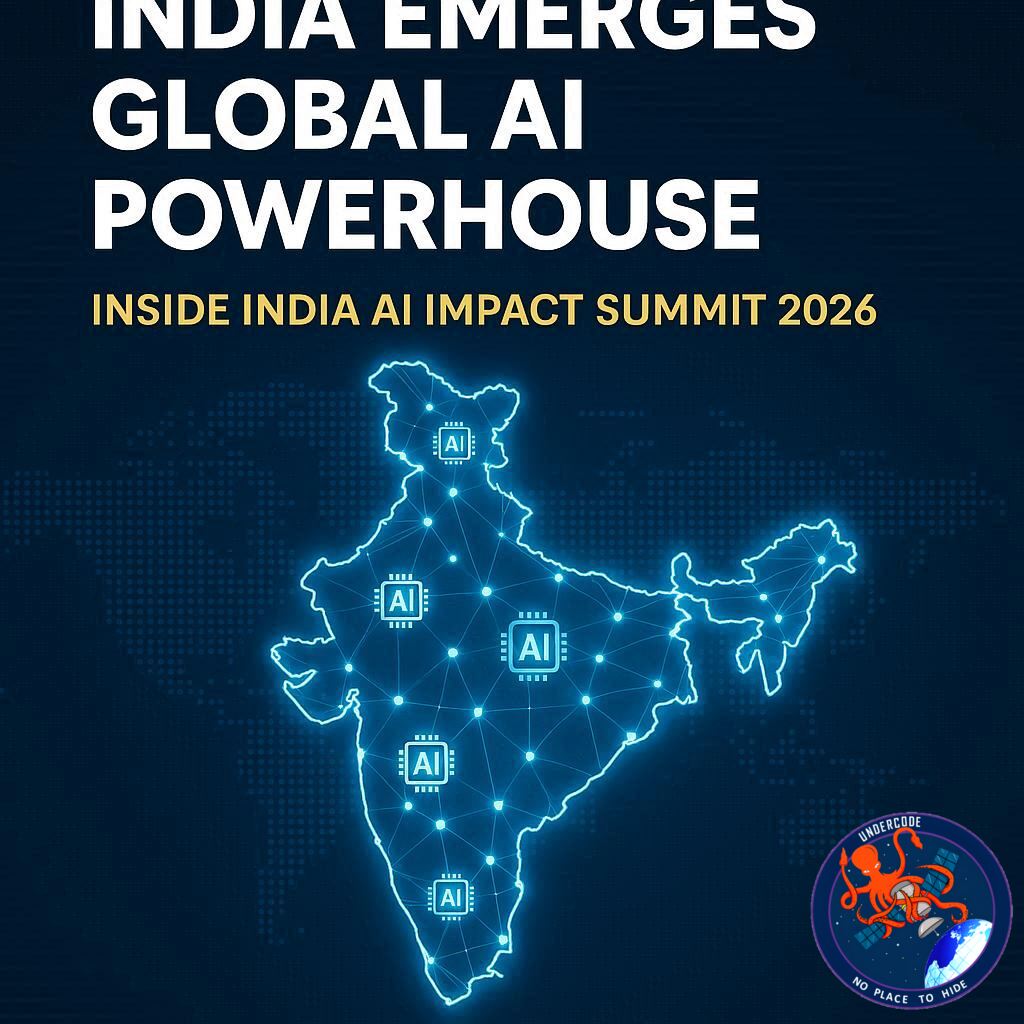
India is poised to become a central hub in the rapidly evolving world of artificial intelligence (AI) with the upcoming India AI Impact Summit 2026. Scheduled from February 16–20 in the nation’s capital, this landmark event will gather global tech leaders, industry titans, policymakers, and researchers under one roof at Bharat Mandapam, Sushma Swaraj Bhawan, and Ambedkar Bhawan. With an ambitious agenda spanning policy, research, industry collaboration, and public engagement, the summit marks India’s bold push into the forefront of AI innovation.
The India AI Impact Summit 2026: Dates, Venue, and Overview
The five-day summit promises a jam-packed schedule of keynotes, panel discussions, and roundtables, all structured around three central pillars: People, Planet, and Progress. The India AI Impact Expo will showcase over 300 exhibitors from 30 countries, organized into more than 10 thematic pavilions. This confluence of ideas and innovation is expected to attract attention from around the globe, positioning India as a strategic destination for AI investment and collaboration.
Massive Investments in the Pipeline
During the World Economic Forum in Davos, IT Minister Ashwini Vaishnaw revealed that nearly $100 billion in new investments are anticipated during the summit. Currently, $70 billion is already in motion, with expectations of an additional $50–80 billion flowing into AI, semiconductors, infrastructure, and energy sectors. Vaishnaw’s statements underscore the immense economic stakes riding on this summit and India’s ambition to become a global AI leader.
Global Tech Leaders and Indian Industrial Titans Converge
The summit will host an unparalleled lineup of tech visionaries, including:
Sundar Pichai (Google) & Demis Hassabis (DeepMind)
Jensen Huang (Nvidia)
Dario Amodei (Anthropic)
Alexandr Wang (Meta)
Cristiano Amon (Qualcomm)
Nikesh Arora (Palo Alto Networks)
Shantanu Narayan (Adobe)
Sam Altman (OpenAI)
On the Indian side, corporate giants such as Mukesh Ambani (Reliance Industries), Sunil Bharti Mittal (Bharti Enterprises), K. Krithivasan (TCS), Nandan Nilekani (Infosys), and N. Chandrasekaran (Tata Group) will participate, reflecting a rare convergence of global and domestic leadership.
Luxury Accommodation Hits Peak Demand
The India AI Impact Summit has created unprecedented demand in Delhi’s hospitality sector. Five-star hotels, including The Taj Palace, The Oberoi, The Leela Palace, and ITC Maurya, have raised rates exponentially for the peak dates of February 18–20. Luxury suites are being offered at rates exceeding $30,000 per night, highlighting the economic impact and global attention drawn by the event.
What Undercode Say: Strategic Implications of India’s AI Leap
India hosting one of the largest AI summits in the global south signals a decisive strategic pivot. By bringing together global tech leaders and domestic industrial powerhouses, India is not merely hosting an event—it is crafting an ecosystem poised to influence AI policy, investment, and research on a global scale.
The three pillars—People, Planet, and Progress—demonstrate a deliberate alignment with global AI ethics, sustainability, and societal impact frameworks. This focus positions India not just as a market for AI products, but as a thought leader in responsible AI deployment.
The scale of investment inflows—up to $100 billion—is transformative. It indicates that AI in India is moving beyond startups and pilot projects toward nation-wide industrial adoption, semiconductor manufacturing, infrastructure modernization, and green technology integration. This could accelerate India’s technological sovereignty and reduce reliance on foreign AI systems.
Global participation from firms like Google, Nvidia, Meta, and OpenAI also suggests a strategic alignment of India with multinational innovation ecosystems. The convergence of talent, capital, and policy could create a multiplier effect, where knowledge transfer and joint ventures accelerate domestic AI capabilities.
India’s luxury hotel pricing surge, while extreme, reflects the intangible value of AI diplomacy. High-level meetings between global CEOs, investors, and policymakers during the summit could generate deals far exceeding the immediate economic impact of hospitality revenue.
Moreover, India’s ability to host an event of this magnitude demonstrates organizational maturity, positioning it alongside traditional AI powerhouses like the U.S., China, and EU countries. The implications extend to international policy influence: India can now shape AI regulations, standards, and cross-border collaborations, ensuring that its strategic interests are embedded in global AI governance frameworks.
The summit could also inspire regional AI leadership in the Global South. By showcasing its infrastructure, talent pool, and investment climate, India sends a clear message to neighboring countries: the AI revolution is inclusive, and emerging economies can play a central role.
The presence of industrial titans like Mukesh Ambani and Nandan Nilekani alongside tech CEOs also indicates synergies between traditional industries and AI, potentially transforming sectors like energy, telecom, logistics, and finance. AI adoption at this scale can drive efficiency, innovation, and competitiveness for India’s economy in the long term.
In addition, the thematic pavilions featuring over 300 exhibitors demonstrate India’s ambition to foster cross-disciplinary innovation. By combining AI with semiconductors, sustainability, and energy solutions, the summit emphasizes not just incremental improvements, but systemic transformation.
The timing aligns with a global surge in AI adoption, particularly in generative AI and large language models. India’s strategic push ensures that it will not be a passive consumer but a key contributor to AI knowledge creation, intellectual property, and product development.
Finally, the summit reflects India’s diplomatic vision. By attracting global leaders to New Delhi, India strengthens soft power, signaling that it is not only a consumer market but also a hub for global technological thought leadership. This could influence future negotiations on trade, AI regulation, and investment flows.
Fact Checker Results
✅ India AI Impact Summit 2026 is scheduled for February 16–20 in New Delhi.
✅ Over $70 billion in AI-related investments are already in motion, with up to $100 billion expected during the summit.
✅ Five-star hotel rates in Delhi surged significantly during the summit’s peak dates, reaching over $30,000 per night for luxury suites.
Prediction 📊
India’s AI summit is likely to catalyze a surge in AI startups and global partnerships, making the country a magnet for talent and investment. Over the next 5 years, India could emerge as a major semiconductor and AI research hub, bridging the gap between the Global South and traditional tech leaders. The convergence of capital, talent, and policy at this summit may also accelerate AI deployment in critical sectors, from energy to healthcare, giving India a strategic technological edge in the global arena.
▶️ Related Video (80% Match):
🕵️📝✔️Let’s dive deep and fact‑check.
References:
Reported By: timesofindia.indiatimes.com
Extra Source Hub (Possible Sources for article):
https://www.reddit.com
Wikipedia
OpenAi & Undercode AI
Image Source:
Unsplash
Undercode AI DI v2
Bing
🔐JOIN OUR CYBER WORLD [ CVE News • HackMonitor • UndercodeNews ]
📢 Follow UndercodeNews & Stay Tuned:
𝕏 formerly Twitter 🐦 | @ Threads | 🔗 Linkedin | 🦋BlueSky | 🐘Mastodon


