
Listen to this Post
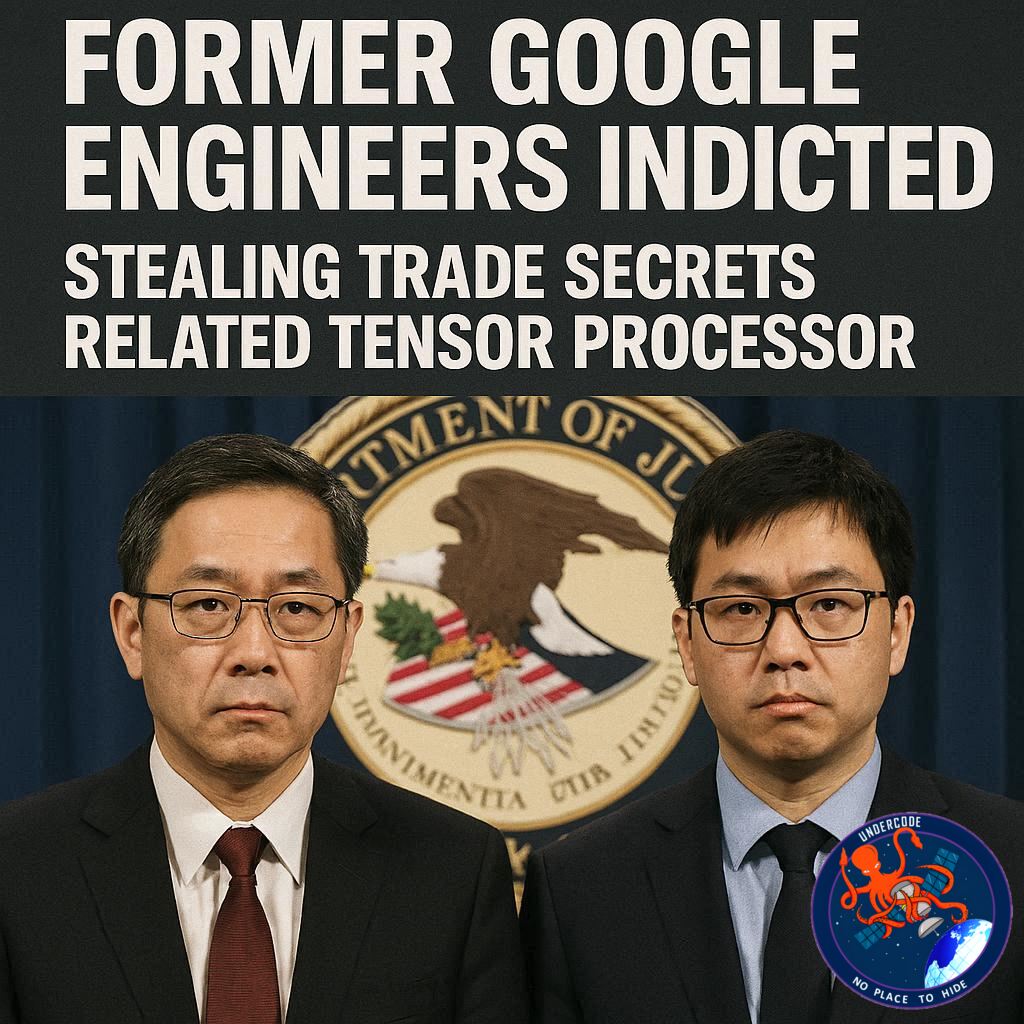
In a groundbreaking case, three former Google engineers have been indicted for stealing proprietary trade secrets concerning Google’s advanced Tensor processor. The accused individuals, alongside a fourth person, allegedly transferred this sensitive data to Iran, leading to serious charges of theft, conspiracy, and obstruction. This incident highlights the ongoing challenges that major tech companies face in safeguarding intellectual property, especially in high-stakes industries like semiconductor technology.
The Google engineers, whose names remain undisclosed, reportedly took advantage of their positions to access confidential information regarding the Tensor processor—Google’s AI-driven chip designed to optimize machine learning capabilities in its devices. The stolen data, once in the hands of the foreign individuals, was transferred to Iran, which could potentially use the technology for various military or cyber intelligence applications. The involvement of foreign actors raises the stakes of this case, as it involves not just corporate espionage but also national security concerns.
The indictment lists several serious charges, including the theft of trade secrets, conspiracy to defraud, and obstruction of justice. These charges come after a lengthy investigation by U.S. authorities into the individuals’ activities, which reportedly occurred over a period of several months. In response to the allegations, Google has taken steps to further enhance its security protocols, though this case serves as a reminder of the vulnerabilities that can exist even within major tech companies.
What Undercode Says:
The Breach of Trust: Unveiling the Risks of Insider Threats
The indictment of these former engineers highlights a persistent and dangerous vulnerability within the tech industry: insider threats. Tech giants like Google are under constant pressure to innovate, and as they do, they bring in some of the brightest minds from around the world. However, when these individuals turn against the company, the results can be catastrophic. In this case, not only was sensitive information stolen, but it was also transferred to a nation with interests that could potentially undermine global security.
The Global Impact of the Incident
This breach transcends corporate concerns—it is a matter of international significance. The fact that sensitive technology could be leveraged by foreign governments, especially in areas related to AI and machine learning, poses serious risks. Tensor processors are at the forefront of artificial intelligence, a field that is rapidly reshaping industries and national defense strategies. With access to such advanced technology, hostile nations could potentially bypass the technological dominance that the U.S. holds in AI development.
The Legal and Security Consequences
Beyond the immediate legal ramifications for the individuals involved, this incident will undoubtedly lead to a series of discussions about data protection and employee surveillance in the tech industry. Companies will need to weigh the cost of security against the operational efficiency of maintaining an open and trusting work environment. As intellectual property becomes more valuable and complex, safeguarding it will become an increasingly difficult challenge.
Tech Industry’s Responsibility: Looking Ahead
This breach calls for an overhaul in how tech companies secure their most valuable assets. While most companies already have stringent security protocols in place, as evidenced by Google’s immediate response, the case shows that even the most comprehensive safeguards can be breached by insiders. There is an increasing need for companies to integrate more advanced security measures, including enhanced background checks and the continuous monitoring of data access across all levels of the organization.
🔍 Fact Checker Results:
Theft of Trade Secrets: Verified, U.S. authorities have confirmed the theft of proprietary technology linked to Google’s Tensor processor.
Involvement of Foreign Actors: Accurate, the indictment mentions that the stolen information was transferred to individuals associated with Iran.
Charges Against the Accused: The charges of theft, conspiracy, and obstruction have been confirmed by legal documents.
📊 Prediction:
Given the rise in global tensions surrounding technological advancements, particularly in AI and machine learning, this case may set a precedent for more stringent regulations and monitoring in the tech industry. Companies will likely take more proactive measures to combat insider threats, and there could be greater international collaboration in tracking and prosecuting those who attempt to leak or steal critical technology.
🕵️📝✔️Let’s dive deep and fact‑check.
References:
Reported By: x.com
Extra Source Hub (Possible Sources for article):
https://www.linkedin.com
Wikipedia
OpenAi & Undercode AI
Image Source:
Unsplash
Undercode AI DI v2
Bing
🔐JOIN OUR CYBER WORLD [ CVE News • HackMonitor • UndercodeNews ]
📢 Follow UndercodeNews & Stay Tuned:
𝕏 formerly Twitter 🐦 | @ Threads | 🔗 Linkedin | 🦋BlueSky | 🐘Mastodon


