
Listen to this Post
Introduction: A New Cloud Security Scare Emerges
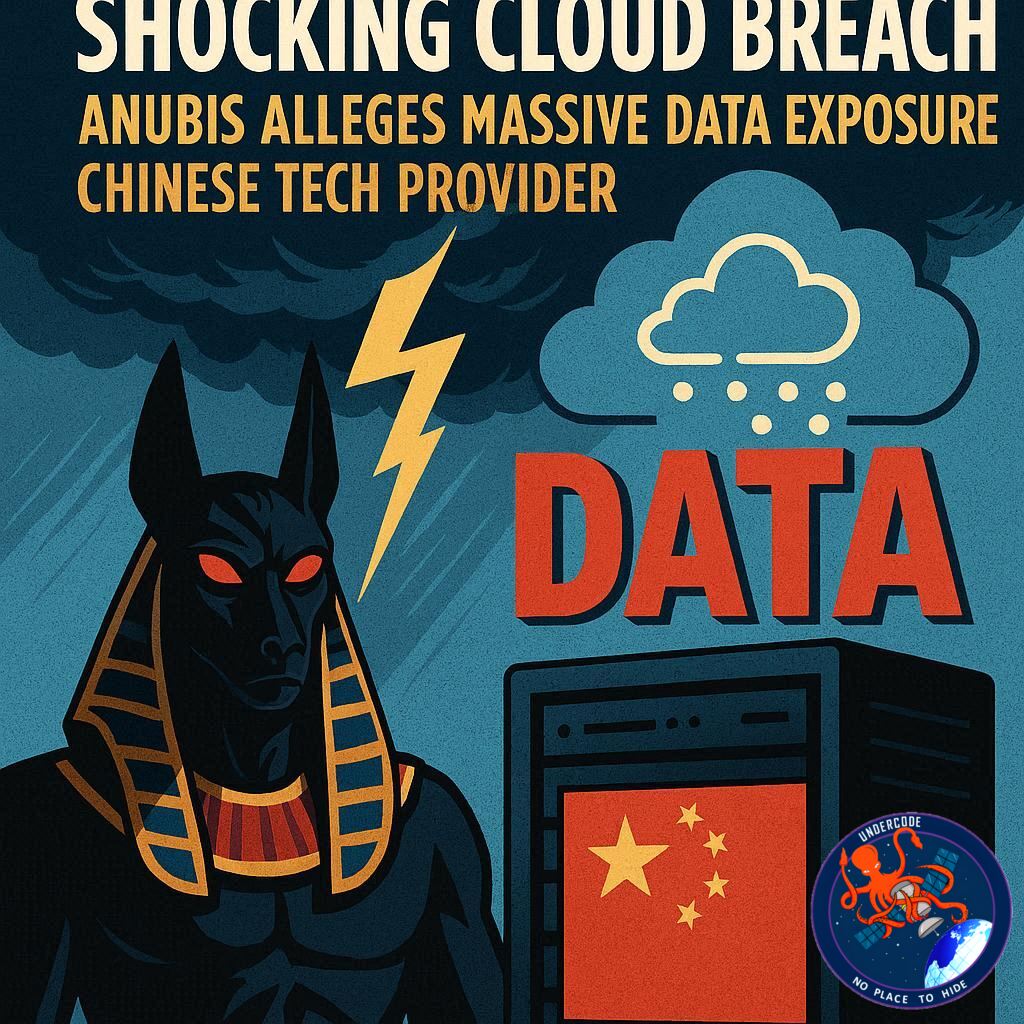
A fresh cybersecurity controversy is unfolding after a threat actor known as Anubis claimed responsibility for a data breach involving Micaforce Technology, a technology and cloud services provider operating in China. The allegation, which surfaced in February 2026, suggests that sensitive client data stored in the company’s cloud infrastructure may have been exposed. While independent confirmation is still pending, the claim has already sparked concern across the cybersecurity community, particularly among organizations relying on regional cloud providers.
the Original Report
The initial alert came from Cybersecurity News Everyday, which reported that Anubis is advertising access to data allegedly stolen from Micaforce Technology. According to the claim, the compromised information includes customer-related data hosted within Micaforce’s cloud environment. The breach was reportedly discovered in February 2026, though details about the attack vector, duration of exposure, and the exact nature of the data remain unclear.
The information was amplified via a social media post, later referenced by the cybersecurity-focused website hendryadrian.com. As of now, there has been no public confirmation or denial from Micaforce Technology itself. No ransom amount, proof-of-life samples, or technical indicators have been publicly released, which leaves the claim in a gray zone familiar to many modern breach disclosures.
What is clear, however, is the broader context: cloud providers have become prime targets for cybercriminal groups because a single successful intrusion can yield data from multiple downstream clients. The mention of China adds another layer of geopolitical and regulatory complexity, as breach disclosures and transparency standards can differ significantly by jurisdiction. Until forensic evidence or an official statement emerges, the incident remains an alleged breach—but one that organizations cannot afford to ignore.
What Undercode Say:
The Anubis claim fits a well-established pattern in today’s cybercrime economy. Ransomware and extortion groups increasingly target mid-sized or regional cloud service providers rather than end-user companies. The logic is simple: compromise the platform, not the tenant. If Micaforce Technology is indeed affected, the real blast radius may extend far beyond a single company, potentially impacting dozens or hundreds of clients who trusted the provider with their data.
Another red flag is the timing and disclosure method. Threat actors now prefer public teasers—often on social platforms—to apply pressure before releasing concrete proof. This strategy maximizes reputational damage while buying time to negotiate or prepare a data dump. The lack of immediate evidence does not invalidate the claim, but it does suggest the situation is still evolving behind the scenes.
From a defensive standpoint, this case underscores persistent weaknesses in cloud security governance. Many organizations assume that using a cloud provider automatically transfers security responsibility. In reality, shared responsibility models mean customers are still accountable for access controls, encryption, and monitoring. If client data was exposed, it may point to misconfigurations, stolen credentials, or insufficient network segmentation rather than a single catastrophic exploit.
There is also a regional lesson here. Chinese cloud and tech providers are expanding rapidly, often serving international clients. As they scale, they become more attractive targets for global threat groups. Transparency, incident response maturity, and timely communication will be critical in determining whether Micaforce can contain reputational fallout if the claim proves true.
Finally, this incident highlights the growing influence of threat intelligence aggregators and independent researchers. A single post from a trusted monitoring account can ripple through the industry in minutes. For companies, that means breach response planning must now account not just for technical remediation, but for rapid public narrative management in an always-on news cycle.
🔍 Fact Checker Results
✅ Anubis has a documented history of claiming data breaches against technology providers.
❌ No official confirmation from Micaforce Technology has been issued at the time of reporting.
✅ The incident timeline points to February 2026 as the alleged discovery period.
📊 Prediction
If Micaforce Technology confirms the breach, expect increased scrutiny on regional cloud providers and a wave of precautionary audits from client organizations. Even if the claim remains unproven, the mere allegation is likely to accelerate zero-trust adoption and stricter cloud security requirements across the sector.
🕵️📝✔️Let’s dive deep and fact‑check.
References:
Reported By: x.com
Extra Source Hub (Possible Sources for article):
https://www.twitter.com
Wikipedia
OpenAi & Undercode AI
Image Source:
Unsplash
Undercode AI DI v2
Bing
🔐JOIN OUR CYBER WORLD [ CVE News • HackMonitor • UndercodeNews ]
📢 Follow UndercodeNews & Stay Tuned:
𝕏 formerly Twitter 🐦 | @ Threads | 🔗 Linkedin | 🦋BlueSky | 🐘Mastodon


