
Listen to this Post
Introduction: A Quiet Morning Turns Into a Cyber Crisis
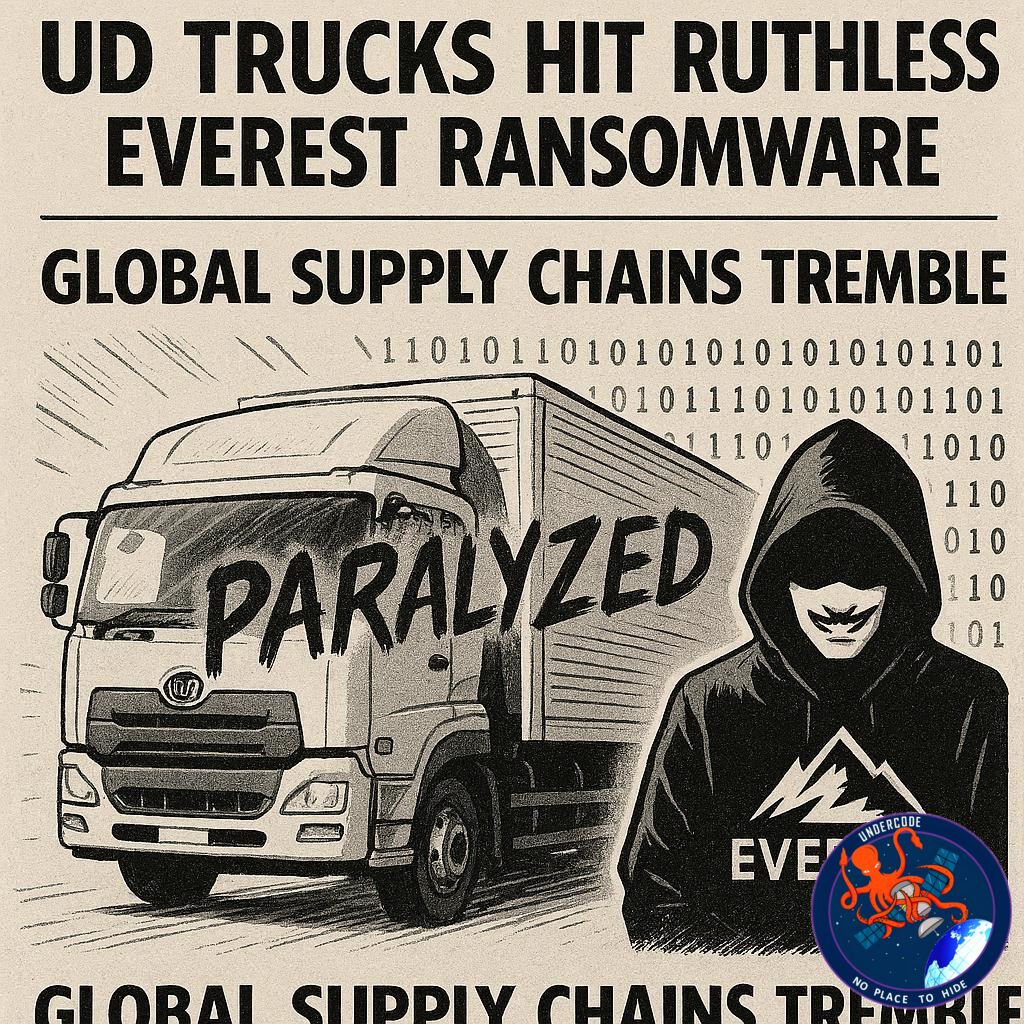
A single post on social media was enough to send ripples through the global manufacturing and logistics world. On February 28, 2026, cybersecurity monitors reported that UD Trucks, a major Japan-based transport manufacturer, had fallen victim to a ransomware attack attributed to the Everest ransomware group. The attack allegedly locked critical internal data and came with threats of public leaks—an all-too-familiar tactic in modern cyber extortion. While the initial disclosure was brief, the implications are anything but small, especially for supply chains stretching across Japan, Asia, and Africa.
Attack Overview: What Was Publicly Reported
The incident surfaced through a cybersecurity-focused account that tracks ransomware activity worldwide. According to the report, attackers successfully compromised UD Trucks’ systems, encrypted data, and issued threats to leak sensitive information if demands were not met. While no official statement from UD Trucks accompanied the initial claim, the naming of Everest ransomware immediately raised alarms due to the group’s reputation for double-extortion tactics—encrypting data while also stealing it.
The Target: Why UD Trucks Matters
UD Trucks is not a niche player. The company is deeply embedded in commercial transportation, producing heavy-duty trucks used for logistics, construction, and industrial operations across multiple continents. Any operational disruption at this level has consequences far beyond corporate headquarters. Manufacturing schedules, parts suppliers, shipping partners, and regional distributors all sit downstream of UD Trucks’ digital infrastructure.
Ransomware Tactics: The Everest Playbook
Everest ransomware is known for high-pressure campaigns. The group typically gains access through compromised credentials or vulnerable enterprise systems, followed by rapid lateral movement across networks. Once data is encrypted, victims are given a stark choice: pay or watch proprietary data, contracts, or internal communications leak publicly. This method maximizes leverage and reputational damage, particularly against manufacturers with international footprints.
Supply Chain Exposure Across Continents
The most concerning aspect of this incident is not just encrypted files—it’s systemic risk. UD Trucks operates supply chains spanning Asia and Africa, regions where logistics timing and availability are critical. A halt in production systems or order management software can delay vehicle deliveries, disrupt fleet maintenance schedules, and cause cascading failures among suppliers who rely on predictable demand cycles.
Manufacturing Sector: A Prime Target
Manufacturers have become top ransomware targets due to their low tolerance for downtime. Unlike digital-only businesses, factories cannot simply “pause” without financial loss. Attackers understand this pressure. In recent years, ransomware gangs have increasingly shifted focus from healthcare and education to industrial firms, where every hour of disruption translates directly into lost revenue.
Data Leak Threats: More Than Just Files
If the attackers follow through on their threats, the damage may extend well beyond temporary outages. Leaked data could include engineering documents, supplier contracts, employee records, or internal security policies. Such disclosures can weaken competitive positioning and invite further attacks from copycat groups exploiting newly exposed information.
Silence From the Company: Strategic or Concerning?
As of the initial report, UD Trucks had not released a public confirmation or denial. This silence is not unusual in early-stage ransomware incidents. Companies often take time to assess the breach, secure systems, and coordinate with law enforcement before speaking publicly. However, prolonged silence can fuel speculation and undermine trust among partners and customers.
The Role of Cybersecurity Watchdogs
The disclosure originated from a threat-monitoring source that aggregates ransomware claims. These watchdog accounts have become crucial in today’s threat landscape, often breaking news before official channels. While their reports are not always independently verified at the time of posting, history shows that many such alerts later prove accurate.
Legal and Regulatory Implications
A confirmed data breach would likely trigger regulatory scrutiny in multiple jurisdictions. Japan has strict data protection expectations for corporations, and cross-border data exposure involving African or Asian partners could complicate compliance efforts. The financial cost of ransomware often extends far beyond the ransom itself, encompassing legal fees, system recovery, audits, and long-term security upgrades.
What Undercode Says:
A Snapshot of a Larger Cybersecurity Failure
This incident, whether fully confirmed or still unfolding, highlights a persistent problem in global manufacturing: cybersecurity maturity has not kept pace with digital dependence. Heavy industry has embraced automation, cloud-based logistics, and remote management, but security investment often lags behind operational innovation.
Ransomware as Economic Warfare
Attacks like this should not be viewed as isolated crimes. They function more like economic warfare, targeting chokepoints in global trade. Disrupting a truck manufacturer impacts mining, agriculture, construction, and retail—industries that depend on reliable transport infrastructure.
Why Japan Is Not Immune
Japan’s reputation for engineering excellence does not automatically translate to cyber resilience. Large, complex enterprises often carry legacy systems that are difficult to secure. Attackers exploit these gaps, knowing that modernization projects frequently prioritize productivity over security hardening.
Everest’s Strategic Targeting
Everest ransomware does not strike randomly. Choosing a multinational manufacturer suggests careful reconnaissance and an understanding of leverage. The broader the victim’s footprint, the higher the pressure to resolve the incident quickly—often on the attacker’s terms.
Supply Chains as the Real Hostages
The true victims may not be UD Trucks alone, but the thousands of businesses indirectly dependent on its operations. When ransomware hits a central node, the shockwaves travel outward, affecting companies that had no direct role in the security failure.
The Cost of Downtime vs. The Cost of Payment
One uncomfortable reality remains: many firms still calculate whether paying a ransom is cheaper than prolonged disruption. As long as this equation favors attackers, ransomware will remain profitable and persistent.
Transparency as a Defensive Tool
Clear, timely communication can mitigate reputational damage. Companies that acknowledge incidents and outline response steps often recover trust faster than those that remain silent. In an era of real-time threat reporting, secrecy is increasingly difficult to maintain.
A Wake-Up Call for Industrial Cybersecurity
This event should serve as a warning to manufacturers worldwide. Cybersecurity can no longer be treated as an IT issue—it is a core operational risk on par with supply shortages or labor disruptions.
🔍 Fact Checker Results
Verification Status
✅ The claim of a ransomware attack aligns with reports from established threat-monitoring sources.
⚠️ No official confirmation from UD Trucks has been released at the time of reporting.
❌ Specific details about data stolen or ransom demands remain unverified.
📊 Prediction
What Happens Next
If confirmed, UD Trucks will likely face short-term operational disruptions followed by a broader security overhaul. More importantly, this incident will accelerate cybersecurity investments across the manufacturing sector, as peers move to avoid becoming the next high-profile target.
🕵️📝✔️Let’s dive deep and fact‑check.
References:
Reported By: x.com
Extra Source Hub (Possible Sources for article):
https://www.pinterest.com
Wikipedia
OpenAi & Undercode AI
Image Source:
Unsplash
Undercode AI DI v2
Bing
🔐JOIN OUR CYBER WORLD [ CVE News • HackMonitor • UndercodeNews ]
📢 Follow UndercodeNews & Stay Tuned:
𝕏 formerly Twitter 🐦 | @ Threads | 🔗 Linkedin | 🦋BlueSky | 🐘Mastodon


