
Listen to this Post
Introduction: A New Cyber Threat Hits Spain’s Property Market
A fresh ransomware allegation is rippling through Spain’s real estate sector after claims emerged that a major property firm has suffered a large-scale data encryption attack. According to a cybersecurity monitoring account, a ransomware group says it has locked hundreds of gigabytes of sensitive information and opened negotiations with a strict deadline. While details remain limited, the case highlights how cybercriminals are increasingly targeting industries once seen as low-risk, turning real estate into an unexpected frontline in the global ransomware war.
the Original Report
The incident was first reported by Cybersecurity News Everyday, which cited information sourced from hendryadrian.com.
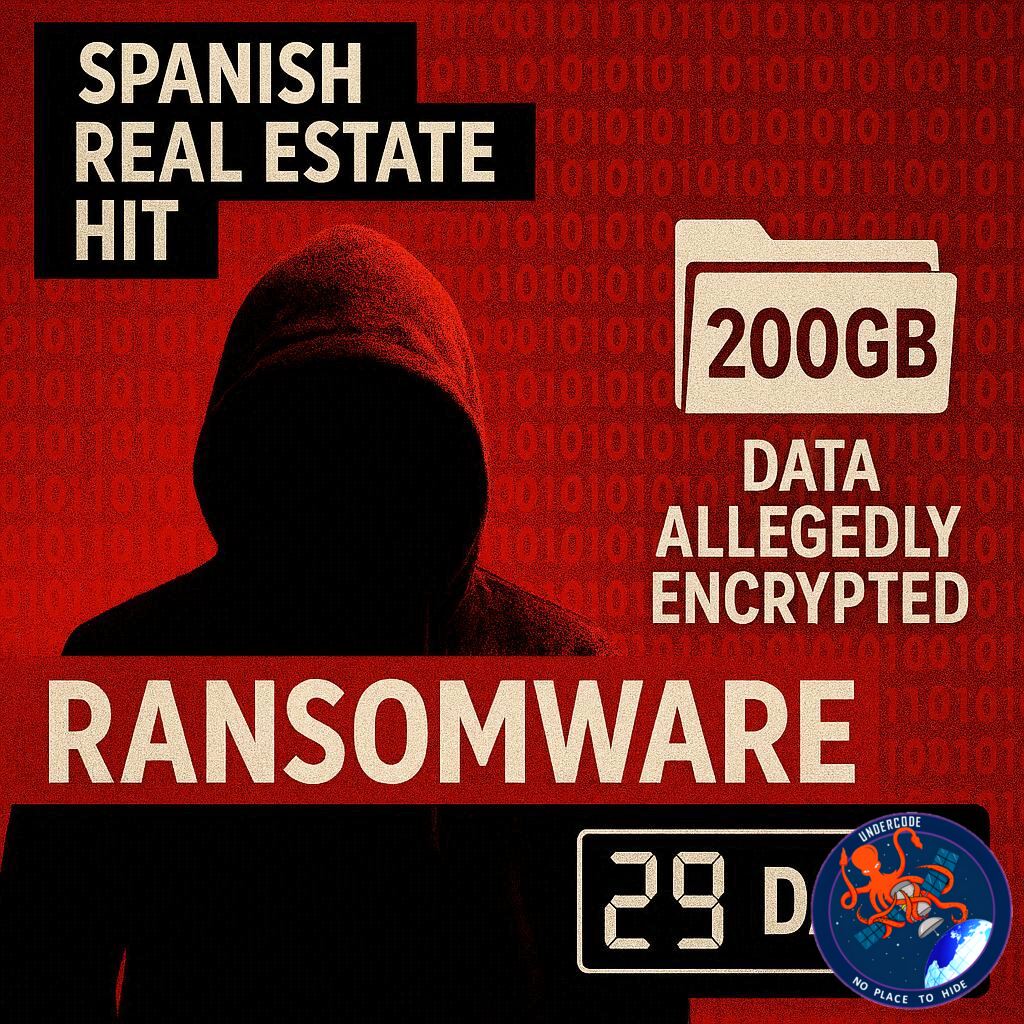
According to the post, the ransomware group known as Vect claims responsibility for encrypting approximately 200GB of data belonging to Casas del Mediterraneo, a real estate company based in Spain.
The attackers reportedly state that negotiations with the victim are ongoing, with a 29-day deadline set before further action may be taken. As is typical in ransomware cases, the implication is that failure to reach an agreement could result in data leakage, permanent loss of access, or both.
No independent confirmation from the company has been made public, and there are no official disclosures yet regarding the nature of the compromised data, whether it includes customer records, contracts, or internal financial documents.
The report gained limited traction on social media, registering modest engagement, but it quickly entered cybersecurity monitoring channels where such claims are tracked for verification. At the time of posting, the allegation remains unverified, resting solely on the ransomware group’s statement and third-party monitoring reports.
What Undercode Say:
Ransomware’s Strategic Shift Toward Real Estate
Real estate firms are increasingly attractive targets because they hold a blend of high-value data: personal identification documents, financial records, property ownership details, and legal contracts. Unlike banks, many property companies lag behind in cybersecurity maturity, making them softer targets for organized ransomware groups.
Why 200GB Matters More Than It Sounds
Two hundred gigabytes is not just a symbolic number. For a real estate firm, that volume could represent years of transaction records, scanned legal documents, architectural plans, and sensitive client data. Even partial exposure could lead to regulatory penalties, lawsuits, and long-term reputational damage.
Negotiation Deadlines as Psychological Pressure
The reported 29-day deadline follows a common ransomware playbook: create urgency while giving just enough time to push victims into prolonged, stressful negotiations. This window is often used by attackers to assess how cooperative the victim might be and to prepare for possible data leaks if talks collapse.
The Silence from the Victim Company
So far, there has been no public confirmation or denial from Casas del Mediterraneo. This silence does not confirm the attack, but it reflects a broader industry pattern. Many companies delay disclosure while assessing damage, consulting legal counsel, and evaluating whether public acknowledgment could worsen the situation.
Spain’s Growing Ransomware Exposure
Spain has seen a steady rise in ransomware incidents across healthcare, manufacturing, and now real estate. As digital transformation accelerates in traditional industries, cybercriminals are following the data — and the money — into sectors that were once offline-heavy and less defended.
The Verification Problem in Ransomware Claims
It is crucial to note that ransomware groups frequently exaggerate or fabricate claims to boost their reputation and pressure victims. Until sample data, proof-of-access, or official confirmation emerges, this incident should be treated as an allegation rather than an established breach.
Potential Legal and Regulatory Fallout
If the claim proves true and personal data is involved, the company could face investigations under EU data protection regulations. Regulatory scrutiny often becomes as damaging as the ransomware attack itself, especially when disclosure timelines are missed.
🔍 Fact Checker Results
Claim Verification Status
✅ The claim was publicly reported by a known cybersecurity monitoring source.
❌ There is no official confirmation from the affected company.
❌ No leaked data samples have been published to independently verify the attackers’ access.
📊 Prediction
What Happens Next
If negotiations fail, the ransomware group is likely to release partial data as proof, escalating pressure on the victim. Alternatively, if a settlement is reached, the incident may quietly disappear without public technical details. Regardless of the outcome, similar attacks on European real estate firms are likely to increase as attackers test how profitable and vulnerable the sector truly is.
🕵️📝✔️Let’s dive deep and fact‑check.
References:
Reported By: x.com
Extra Source Hub (Possible Sources for article):
https://www.pinterest.com
Wikipedia
OpenAi & Undercode AI
Image Source:
Unsplash
Undercode AI DI v2
Bing
🔐JOIN OUR CYBER WORLD [ CVE News • HackMonitor • UndercodeNews ]
📢 Follow UndercodeNews & Stay Tuned:
𝕏 formerly Twitter 🐦 | @ Threads | 🔗 Linkedin | 🦋BlueSky | 🐘Mastodon


