
Listen to this Post
 Introduction: A New Name Added to a Growing Cybercrime Ledger
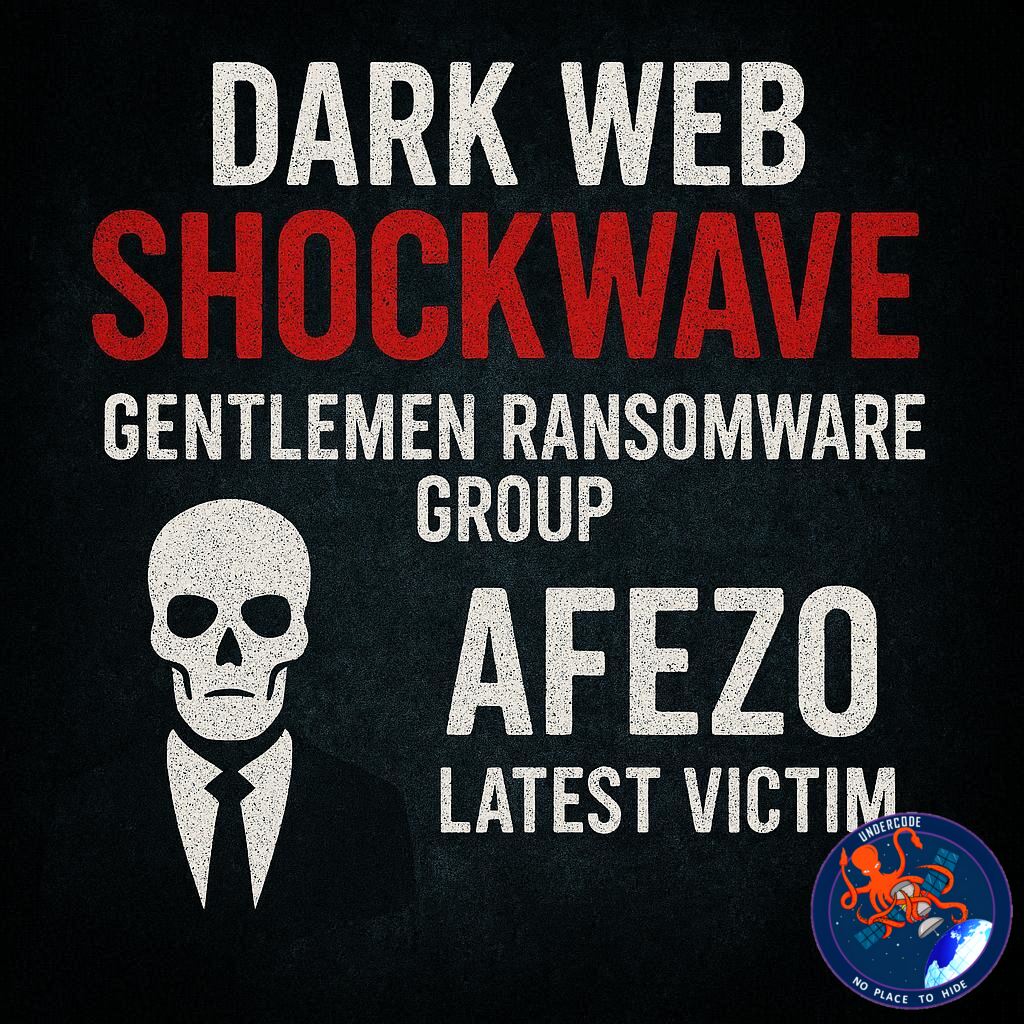
The global ransomware ecosystem has claimed another alleged victim. On March 1, 2026, threat intelligence monitoring detected that the ransomware group known as The Gentlemen publicly listed Afezo as a victim on its dark web infrastructure. The disclosure, tracked by cybersecurity analysts, highlights the continued momentum of ransomware operations and the expanding surface area of digital risk for companies of all sizes. While public confirmation from the affected organization remains absent, the incident underscores how quickly corporate names can surface in criminal leak ecosystems.
the Original Report
Threat intelligence analysts identified fresh ransomware activity attributed to The Gentlemen group through dark web surveillance. The detection was carried out by the monitoring team behind ThreatMon, a platform specializing in Indicators of Compromise (IOCs) and command-and-control (C2) infrastructure analysis.
According to the report, Afezo was added to the group’s victim list on March 1, 2026, at approximately 19:26 UTC+3. The listing appeared on the group’s leak site, a common tactic used by ransomware operators to apply pressure on targets by threatening data publication.
No technical details were disclosed regarding the initial attack vector, encryption scope, or ransom demand. The post itself was brief, serving primarily as a notification rather than a technical breakdown. The information circulated publicly through social media monitoring feeds, where it gained modest traction shortly after publication.
At the time of reporting, there was no public response from Afezo confirming or denying the breach, nor any evidence of leaked data samples. The incident remains categorized as an unverified claim pending confirmation from the alleged victim or independent forensic disclosures.
What Undercode Says:
Ransomware as Reputation Warfare
Ransomware groups today operate less like shadowy hackers and more like psychological pressure machines. By naming Afezo publicly, The Gentlemen are engaging in reputation warfare—forcing the victim to respond under the glare of public scrutiny, even before technical facts are established.
Why Listing Alone Can Be Enough
In modern ransomware operations, simply being named can cause tangible harm. Clients, partners, and regulators often react to the listing itself, regardless of whether data exfiltration is proven. This tactic lowers operational costs for attackers while maximizing leverage.
The Role of Threat Intelligence Platforms
Platforms like ThreatMon play a crucial dual role: early warning and accountability. By surfacing these claims quickly, they help organizations prepare incident response strategies—even if the claim later proves exaggerated or false.
A Pattern of Minimal Disclosure
The lack of technical detail is not accidental. Many ransomware groups intentionally withhold specifics to maintain ambiguity. This keeps victims uncertain about the scale of compromise, increasing the likelihood of private negotiations.
Dark Web Listings vs. Verified Breaches
It is critical to distinguish between a ransomware “claim” and a confirmed breach. Not every listed victim has suffered full encryption or data theft. Some listings are speculative, recycled, or based on partial access.
Why Silence from Victims Is Common
Companies often delay public statements during the early stages of ransomware incidents. Legal exposure, regulatory obligations, and incomplete forensic data all contribute to this silence, which attackers exploit.
The Gentlemen’s Strategic Timing
The timing of the post—early in the week and during active business hours—suggests intentional visibility. Ransomware groups increasingly optimize release schedules to maximize media pickup and internal disruption.
Broader Industry Implications
This incident fits a wider trend: ransomware groups expanding victim pools beyond traditional large enterprises to mid-sized service providers. These organizations often have weaker segmentation and fewer incident response resources.
Cybersecurity as a Business Continuity Issue
Events like this reinforce that cybersecurity is no longer purely an IT concern. It is directly tied to brand trust, operational uptime, and long-term valuation—regardless of whether a ransom is paid.
🔍 Fact Checker Results
Verification Status of the Claim
✅ The listing of Afezo by The Gentlemen was observed on dark web monitoring channels.
❌ No independent forensic confirmation of data encryption or exfiltration is publicly available.
✅ Threat intelligence attribution aligns with The Gentlemen’s known infrastructure patterns.
📊 Prediction
What Likely Happens Next
The ransomware group may release sample data if no response is detected.
Afezo is likely conducting internal incident response and legal assessment before commenting.
Increased monitoring of similar organizations is expected as copycat groups exploit the publicity window.
🕵️📝✔️Let’s dive deep and fact‑check.
References:
Reported By: x.com
Extra Source Hub (Possible Sources for article):
https://www.reddit.com/r/AskReddit
Wikipedia
OpenAi & Undercode AI
Image Source:
Unsplash
Undercode AI DI v2
Bing
🔐JOIN OUR CYBER WORLD [ CVE News • HackMonitor • UndercodeNews ]
📢 Follow UndercodeNews & Stay Tuned:
𝕏 formerly Twitter 🐦 | @ Threads | 🔗 Linkedin | 🦋BlueSky | 🐘Mastodon


