
Listen to this Post
Introduction: A Shocking Breach in Brazilian Academia
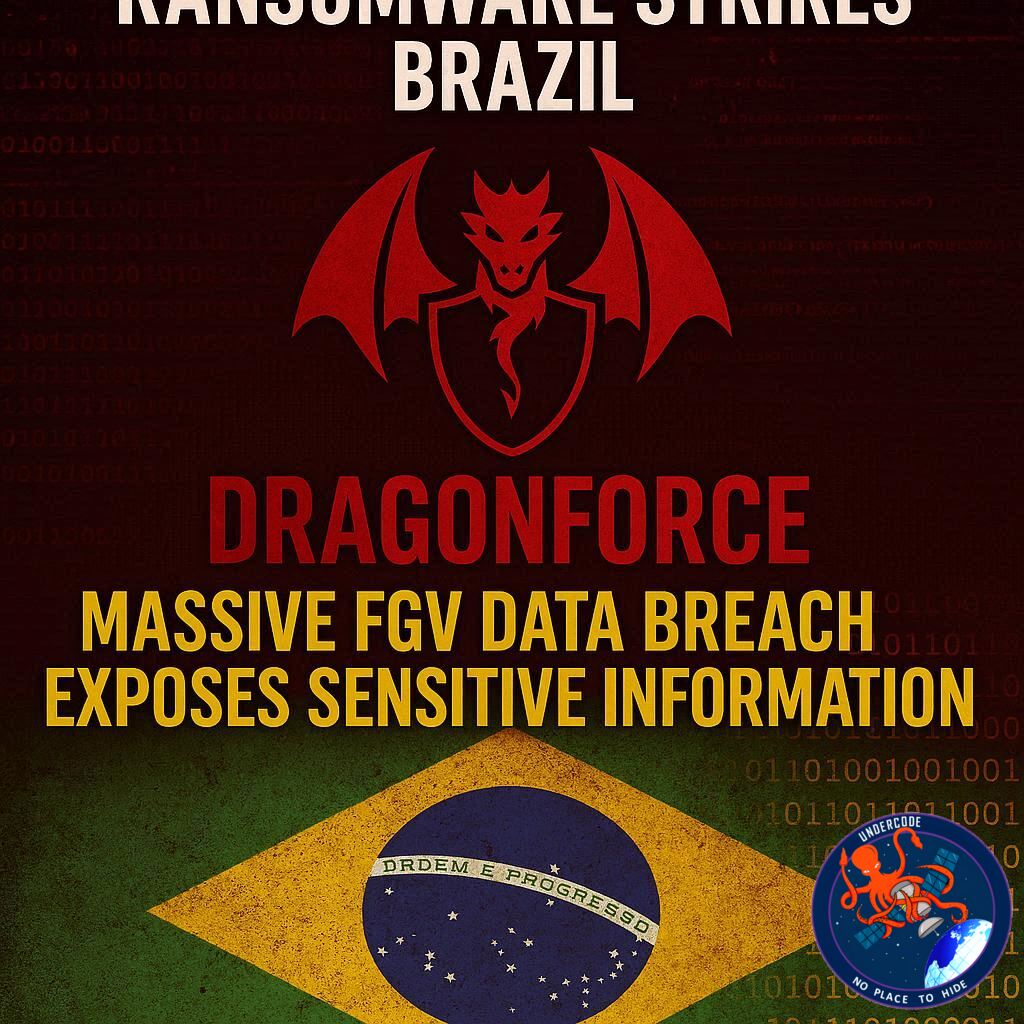
In a startling escalation of cybercrime, the notorious Dragonforce ransomware group has reportedly infiltrated one of Brazil’s leading educational institutions, Fundação Getulio Vargas (FGV). The attack has resulted in the theft of a staggering 1.52 terabytes of sensitive data, putting students, staff, and the institution itself at unprecedented risk. Personal IDs, financial records, internal legal files, and student information have all been compromised, raising serious concerns about data security and institutional preparedness in the digital age.
the Incident
The Dragonforce ransomware group, known for high-profile attacks across multiple sectors, claims to have accessed and exfiltrated 1.52 TB of data from FGV. The stolen data reportedly includes:
Personal identification details of students and staff
Financial information, including bank records and tuition data
Academic records and student profiles
Confidential internal legal documents and contracts
The breach, which was first reported by cybersecurity outlets such as Cybersecurity News Everyday and hendryadrian.com, highlights a growing trend of cybercriminals targeting educational institutions in Brazil. Social media reports suggest that Dragonforce may attempt to monetize the stolen information through ransomware demands, leaks on dark web forums, or targeted extortion campaigns.
FGV, a prominent Brazilian institution known for its research and higher education programs, has yet to provide a comprehensive public statement detailing the breach’s full impact or mitigation steps. Analysts warn that this attack may have far-reaching consequences not only for the affected individuals but also for Brazil’s broader academic and financial sectors.
What Undercode Says: Understanding the Implications
Rising Threats in the Academic Sector
Educational institutions like FGV have increasingly become prime targets for cybercriminals. Their systems often contain a combination of highly sensitive personal information, intellectual property, and financial data, making them attractive targets for ransomware groups like Dragonforce. This attack underscores the urgent need for universities and research institutions to adopt robust cybersecurity protocols.
Financial and Reputational Fallout
Beyond the immediate data loss, FGV faces potential financial repercussions. Ransom payments, legal liabilities, and costs associated with IT forensics and security upgrades can quickly escalate. More importantly, the institution’s reputation may suffer significant damage, affecting student enrollment, partnerships, and public trust.
Operational Vulnerabilities Exposed
The scale of this breach—1.52 TB—is a clear indicator that current security measures may have been inadequate. The fact that internal legal documents and student financial records were compromised suggests that access controls, data segmentation, and encryption protocols may have been insufficient. Institutions must reassess their cyber defense strategies to prevent similar incidents in the future.
Broader Implications for Brazil
This attack is not isolated; it reflects a broader trend in Latin America, where ransomware attacks against public and private institutions have surged in recent years. With cybercriminals increasingly targeting educational entities, policymakers and cybersecurity professionals must collaborate to enforce stricter regulations and establish rapid response frameworks.
Psychological and Social Impact
Beyond financial and operational damage, data breaches of this magnitude have personal consequences for affected individuals. Students and staff whose personal and financial information has been exposed may face identity theft, fraud, and long-term privacy risks.
Strategic Recommendations
Experts advise that institutions implement multi-layered defenses, including advanced firewalls, endpoint detection, encryption, staff training, and regular security audits. Partnerships with cybersecurity firms and government bodies can further enhance preparedness against ransomware attacks.
The Role of Dark Web Economies
Given Dragonforce’s reputation, the stolen data is likely to enter dark web marketplaces. This perpetuates a cycle where leaked academic and financial data is monetized, fueling further criminal activity. Monitoring these channels is crucial for threat intelligence and risk mitigation.
Technological Lessons Learned
This breach emphasizes the importance of not just reactive cybersecurity but proactive measures. Regular penetration testing, anomaly detection, and AI-driven monitoring can help institutions detect and respond to threats before significant data is lost.
Regulatory Pressures Intensify
As cyberattacks grow in frequency and scale, Brazil’s regulatory agencies may impose stricter penalties and compliance requirements for institutions failing to protect sensitive data. This incident may accelerate legislative action and oversight in the education sector.
Global Context
FGV’s breach reflects a worldwide trend where ransomware groups target organizations with high-value data. The lessons from Brazil are applicable globally: no institution is immune, and cybersecurity must remain a top priority.
Psychological Warfare by Hackers
Ransomware groups often use fear and urgency as tools to force institutions into paying ransoms quickly. The exposure of highly sensitive academic and financial data intensifies psychological pressure on victims, increasing the likelihood of compliance with demands.
Strategic Cybersecurity Investments
Institutions should prioritize investments in cloud security, employee awareness programs, and incident response plans. Strategic spending now can prevent exponentially higher losses later.
Collaboration with Law Enforcement
Coordination with national and international law enforcement agencies can help track ransomware groups and recover compromised data. Sharing intelligence across institutions also strengthens the collective defense against cybercriminals.
Public Perception and Trust
Trust recovery is as important as technical remediation. Transparent communication with students, staff, and stakeholders can mitigate reputational damage and reassure the public that corrective measures are underway.
Lessons for Other Educational Institutions
Other universities in Brazil and worldwide can view FGV as a case study. Regular audits, vulnerability assessments, and proactive threat intelligence are essential to prevent similar incidents.
Long-Term Policy Changes
The FGV incident may catalyze broader policy discussions around mandatory cybersecurity standards, data protection laws, and institutional accountability for safeguarding personal data.
Insurance and Risk Management
Cyber insurance policies may offset some financial losses, but institutions must ensure their coverage aligns with modern ransomware threats, including social engineering attacks and data extortion scenarios.
Future Threat Landscape
Ransomware groups continue to evolve, targeting emerging technologies such as cloud platforms and remote learning systems. Institutions must anticipate these shifts and update defenses accordingly.
Social Media Amplification
The rapid spread of this breach on social media highlights how quickly news of cyber incidents can influence public perception. Institutions must have crisis communication strategies to manage misinformation and panic.
Employee Training as a Key Defense
Human error remains a top vulnerability. Continuous cybersecurity training for staff and students can reduce the likelihood of successful phishing and malware campaigns.
Cross-Border Challenges
International ransomware networks complicate investigations and enforcement. Cooperation with foreign cybersecurity agencies is essential for tracing, prosecuting, and dismantling these groups.
AI and Predictive Cybersecurity
Emerging AI technologies can enhance threat prediction and response, helping institutions detect anomalies before a breach occurs. Investing in AI-driven tools can create a significant defensive advantage.
Cultural Shift in Cybersecurity
Institutions must cultivate a culture of cybersecurity awareness, making protection measures part of everyday operations rather than occasional compliance checks.
Data Segmentation and Access Controls
Strict data segmentation ensures that even if hackers gain access to part of the network, sensitive information remains isolated and secure. FGV’s breach illustrates the consequences of lax internal controls.
Long-Term Student Impact
The theft of student records could affect career prospects, loan applications, and personal security for years, underscoring the human cost of ransomware attacks.
Transparency and Reporting Standards
Institutions should adopt standardized reporting practices for breaches to provide clear guidance for affected individuals and regulatory bodies.
Cybersecurity as a Strategic Priority
Cybersecurity must be treated as a core strategic priority rather than an IT afterthought. Investments in prevention pay off far more than reactive measures post-breach.
Public Awareness Campaigns
Raising awareness among students, parents, and staff about common cyber threats can significantly reduce risk. Cyber hygiene education is a long-term preventative measure.
Technological Partnerships
Collaborations with cybersecurity vendors can offer access to specialized threat intelligence, incident response expertise, and forensic capabilities.
Ethical Considerations
Handling sensitive data responsibly is not just a legal requirement but an ethical duty. Institutions failing to protect data risk losing moral authority in addition to legal liability.
Lessons in Crisis Management
FGV’s response will serve as a blueprint for other institutions in managing ransomware crises, from communication to technical mitigation and legal compliance.
Cybersecurity Budgets Must Increase
Allocating sufficient funds for cybersecurity infrastructure, staffing, and training is critical. Underfunded IT departments are often the first victims of ransomware campaigns.
Global Academic Collaboration
Universities worldwide can benefit from sharing threat intelligence, collaborating on cybersecurity research, and establishing best practices for data protection.
Continuous Improvement
Cybersecurity is not a one-time fix; institutions must continuously evaluate and update strategies to counter evolving threats.
The Human Cost
Ultimately, breaches like this affect real people—students, faculty, and staff. Addressing the human element is as important as technical defenses in mitigating long-term impact.
🔍 Fact Checker Results
✅ Dragonforce claimed the FGV data breach and 1.52 TB theft.
✅ Compromised data reportedly includes personal, financial, and legal records.
❌ No verified reports yet of ransom payment or dark web leaks.
📊 Prediction
FGV will likely strengthen cybersecurity defenses and conduct extensive audits. Dragonforce may attempt monetization of stolen data, potentially on dark web platforms. Similar attacks on Brazilian educational institutions may increase unless nationwide cybersecurity initiatives and regulatory enforcement are intensified.
🕵️📝✔️Let’s dive deep and fact‑check.
References:
Reported By: x.com
Extra Source Hub (Possible Sources for article):
https://www.twitter.com
Wikipedia
OpenAi & Undercode AI
Image Source:
Unsplash
Undercode AI DI v2
Bing
🔐JOIN OUR CYBER WORLD [ CVE News • HackMonitor • UndercodeNews ]
📢 Follow UndercodeNews & Stay Tuned:
𝕏 formerly Twitter 🐦 | @ Threads | 🔗 Linkedin | 🦋BlueSky | 🐘Mastodon


