
Listen to this Post
Introduction: A Quiet Breach With Loud Implications
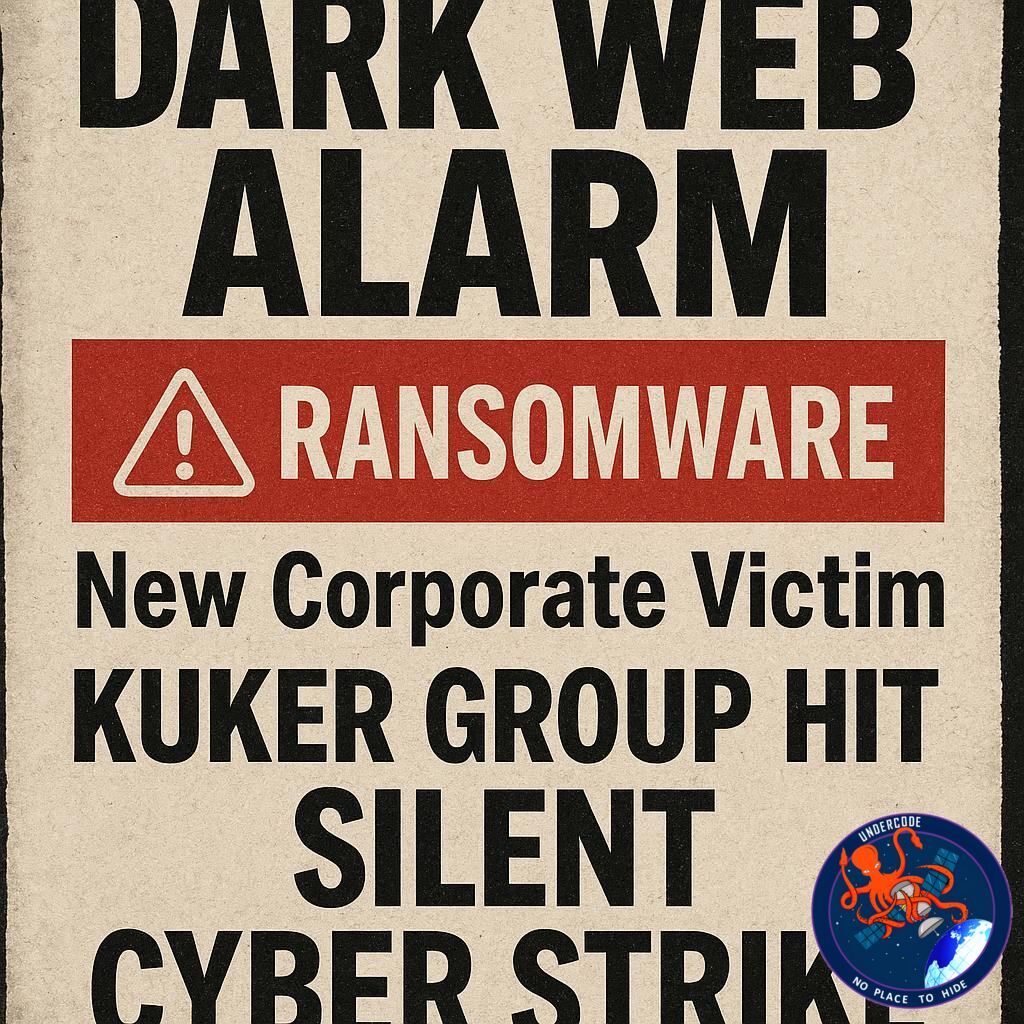
A new ransomware incident surfaced from the depths of the dark web, sending ripples across the cybersecurity landscape. The Play ransomware group, a name increasingly associated with calculated and disruptive cyberattacks, has reportedly added The Kuker Group to its list of victims. Detected by threat intelligence analysts monitoring underground channels, the claim highlights not just another corporate breach, but a broader pattern of escalating ransomware operations targeting private enterprises with precision and confidence.
Incident Overview: What Was Reported and When
On March 2, 2026, at approximately 21:49 UTC+3, threat intelligence monitoring flagged a new victim listing attributed to the Play ransomware operation. The information emerged through dark web ransomware activity tracking, indicating that The Kuker Group had been compromised and publicly named as a victim. The disclosure was later amplified via social media monitoring feeds, drawing attention from cybersecurity researchers and industry observers.
Source of Disclosure: Dark Web Monitoring and Intelligence Signals
The report originated from dark web surveillance conducted by the ThreatMon Threat Intelligence Team, a platform known for tracking indicators of compromise (IOCs), command-and-control infrastructure, and ransomware leak sites. By observing Play’s victim announcement channels, analysts identified The Kuker Group as a newly listed target, suggesting data exfiltration or system encryption had already occurred prior to public disclosure.
the Original Report: Key Facts in Context
The original article centers on a brief but significant alert: Play ransomware has officially named The Kuker Group as a victim. The detection was made through dark web monitoring by ThreatMon’s intelligence platform, which specializes in ransomware activity, IOC aggregation, and C2 infrastructure mapping. The report provides a precise timestamp, attributes the attack to the Play ransomware group, and confirms that the information was surfaced via intelligence tracking rather than a public breach notification from the victim itself. While technical details such as attack vectors, ransom demands, or data volume were not disclosed, the confirmation alone places The Kuker Group within the expanding ecosystem of ransomware casualties. The alert gained moderate visibility online, reinforcing the growing role of social platforms as secondary channels for cyber incident awareness. Overall, the report functions as an early-warning signal rather than a full incident breakdown, emphasizing attribution, timing, and source credibility over forensic depth.
What Undercode Says: The Strategic Meaning Behind the Breach
This incident fits squarely into a larger ransomware trend that has defined the mid-2020s: fewer random attacks and more deliberate, intelligence-led targeting of organizations with operational or financial leverage. Play ransomware has demonstrated a preference for controlled disclosures, often naming victims only after gaining sufficient access or exfiltrating data to ensure negotiation pressure. The Kuker Group’s appearance on a leak site suggests that internal defenses were bypassed long before the public ever became aware.
From an operational standpoint, the lack of immediate technical details is not unusual. Modern ransomware groups increasingly stagger disclosures, releasing victim names first and technical proof later if negotiations stall. This tactic maximizes psychological pressure while minimizing early countermeasures. It also complicates incident response timelines, as organizations may still be assessing internal damage while already facing reputational exposure.
Another critical angle is the role of third-party intelligence platforms. The fact that this incident was surfaced by external monitoring rather than victim disclosure underscores a persistent transparency gap in corporate cybersecurity. Many organizations still avoid public acknowledgment until forced by data leaks or regulatory pressure, leaving customers and partners in the dark during critical windows of risk.
Play’s continued activity also signals that ransomware groups remain largely undeterred by law enforcement takedowns elsewhere in the ecosystem. Instead, they adapt quickly, rotate infrastructure, and maintain operational tempo. Each newly named victim reinforces the perception that ransomware remains a low-risk, high-reward enterprise for skilled threat actors.
For enterprises watching from the sidelines, this case reinforces an uncomfortable truth: detection does not equal prevention. Even organizations with security tooling may still fall victim if monitoring, segmentation, and incident response readiness are not tightly integrated. The Kuker Group incident is less about a single company and more about a systemic imbalance between attackers’ agility and defenders’ reaction speed.
🔍 Fact Checker Results
Attribution Verification ✅
The attack attribution to the Play ransomware group aligns with dark web leak site monitoring patterns and established threat intelligence methodologies.
Source Reliability ✅
ThreatMon is a recognized threat intelligence platform specializing in ransomware and C2 infrastructure tracking, lending credibility to the detection.
Information Gaps ❌
No technical indicators, ransom details, or victim-side confirmation were provided at the time of reporting, limiting full incident validation.
📊 Prediction
Short-Term Outlook
Play ransomware is likely to release additional proof or escalate pressure if negotiations fail, potentially including data samples on its leak site.
Industry Impact
Similar-sized enterprises may see increased targeting as ransomware groups continue favoring private companies with limited public scrutiny.
Long-Term Trend
Dark web–first disclosures will become the dominant early warning mechanism, further shifting incident awareness away from official corporate channels and toward independent intelligence platforms.
🕵️📝✔️Let’s dive deep and fact‑check.
References:
Reported By: x.com
Extra Source Hub (Possible Sources for article):
https://www.quora.com/topic/Technology
Wikipedia
OpenAi & Undercode AI
Image Source:
Unsplash
Undercode AI DI v2
Bing
🔐JOIN OUR CYBER WORLD [ CVE News • HackMonitor • UndercodeNews ]
📢 Follow UndercodeNews & Stay Tuned:
𝕏 formerly Twitter 🐦 | @ Threads | 🔗 Linkedin | 🦋BlueSky | 🐘Mastodon


