
Listen to this Post
Introduction: A New Name Emerges in the Cybercrime Landscape
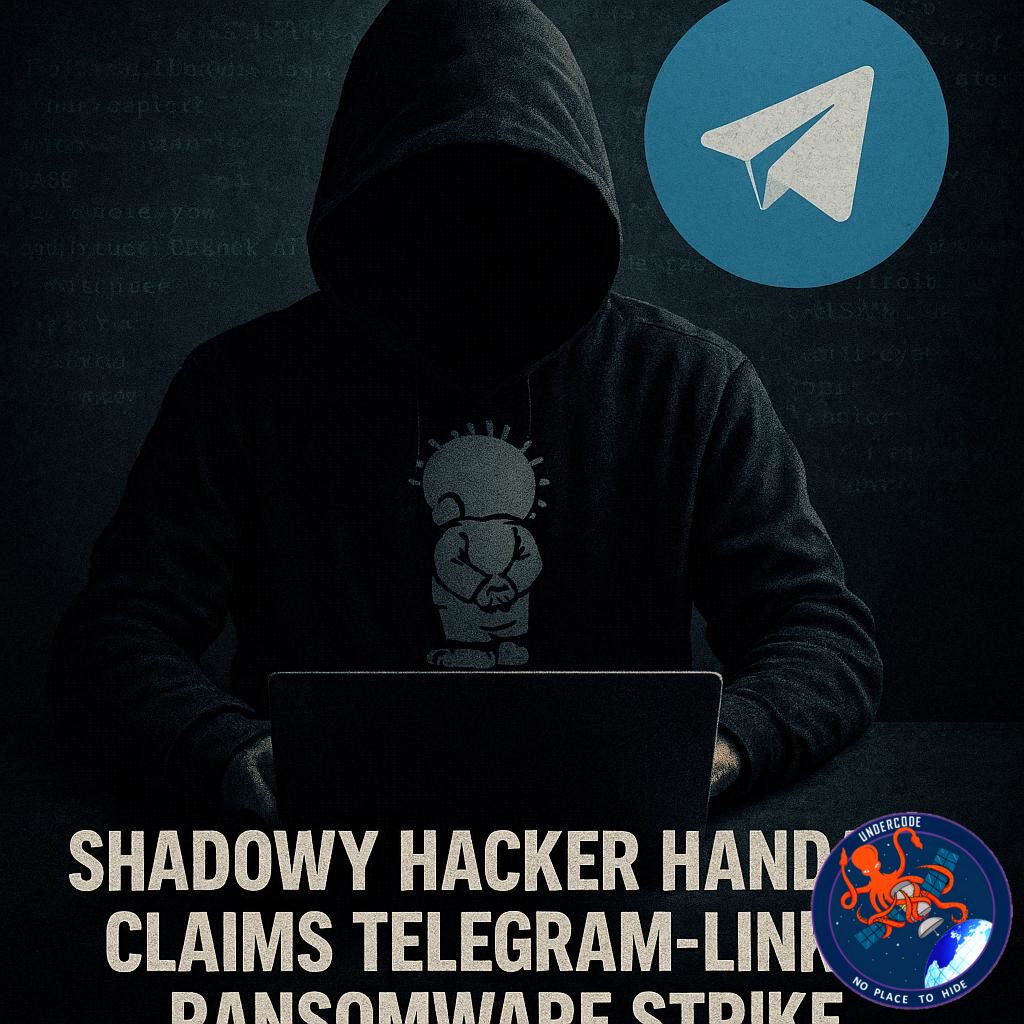
A new cyber threat actor calling itself “Handala” has surfaced in the cybersecurity spotlight after claiming responsibility for a ransomware attack connected to Telegram channels. The claim, circulated through coordinated Telegram posts and amplified by cybersecurity monitoring accounts, suggests an organized effort not only to conduct the attack but also to publicize it strategically.
While details remain limited, the incident reflects a broader trend where cybercriminal groups use social media and encrypted messaging platforms to promote attacks, intimidate victims, and build reputations within the underground cybercrime ecosystem. The alleged Handala campaign illustrates how ransomware operations increasingly blend hacking with psychological and propaganda tactics.
the Original Report
According to a report circulating through cybersecurity monitoring channels, a threat actor known as “Handala” has publicly claimed responsibility for a ransomware attack linked to a Telegram network referred to as “Handala New Telegram.” The claim was disseminated through multiple Telegram channels, suggesting the presence of a coordinated promotional effort rather than a single isolated post.
The information first appeared through a cybersecurity news monitoring account that tracks ransomware activity and emerging threat actors. The account indicated that the hacker group used Telegram as its primary platform to advertise the incident and distribute related messaging about the attack.
Although the details of the breach remain unclear, the attackers reportedly framed the event as a successful ransomware operation. These types of attacks typically involve infiltrating a target network, encrypting critical files, and demanding payment in exchange for a decryption key or the promise not to leak stolen data.
The name “Handala” appears to be new in the ransomware landscape, raising questions about whether the group represents a newly formed cybercriminal organization or a rebranding effort by an existing hacking collective. Cybersecurity analysts often see such name changes when groups attempt to evade law enforcement or distance themselves from past operations.
Telegram has become a common hub for cybercriminal communication because of its encrypted messaging features and ability to host large public channels. Many ransomware groups use Telegram channels to announce attacks, publish stolen data, and recruit collaborators within the cybercrime underground.
The alleged attack was promoted through linked Telegram channels, suggesting that the campaign may have been coordinated to increase visibility. By amplifying the claim across multiple platforms, threat actors can generate attention and pressure potential victims into paying ransom demands more quickly.
The post reporting the attack included hashtags related to ransomware and Telegram hacking, indicating that the information was being spread within cybersecurity monitoring communities and possibly among threat intelligence analysts tracking active cybercrime groups.
However, no independent verification of the attack’s scope or impact has yet been publicly confirmed. At this stage, the claim remains primarily based on the threat actor’s own announcements and the monitoring of their online activity.
Cybersecurity observers frequently treat such claims with caution. Some ransomware groups exaggerate or fabricate attacks as part of psychological warfare designed to boost their reputation or attract affiliates.
Nevertheless, the appearance of a new threat actor claiming ransomware activity highlights the constant evolution of the cybercrime ecosystem. Even if the operation itself is small, the emergence of new actors can signal shifts in tactics, alliances, or regional cybercrime trends.
What Undercode Says:
The Rise of Reputation-Based Cybercrime
Modern ransomware operations are no longer just about hacking systems—they are about building reputation and influence in the cybercriminal world. When a group like “Handala” publicly claims an attack, it is essentially marketing itself to both victims and potential collaborators. Cybercrime now operates much like a brand-driven economy where visibility equals credibility.
Telegram as the New Propaganda Hub
Encrypted messaging platforms have evolved into powerful propaganda tools for cybercriminal groups. Telegram, in particular, allows attackers to broadcast claims, leak stolen data, and coordinate with affiliates across borders. The platform’s channel system makes it easy to distribute announcements instantly to thousands of followers.
This environment has transformed cyberattacks into public spectacles, where hackers attempt to control the narrative around their operations.
The Psychological Warfare of Ransomware
Publicly announcing an attack serves an important psychological function. Victims who see their organization’s name circulating in hacker channels may feel intense pressure to negotiate quickly. Cybercriminal groups understand this dynamic and intentionally amplify attacks through social media posts and messaging platforms.
In many cases, the announcement of a breach is almost as damaging as the breach itself.
The Possibility of a Rebranded Threat Group
The sudden appearance of a new name like “Handala” often raises suspicion among cybersecurity researchers. Ransomware groups frequently rebrand after law-enforcement crackdowns or internal disputes. By adopting a new identity, they can distance themselves from previous investigations while maintaining the same infrastructure and personnel.
If Handala is indeed a rebranded operation, analysts will likely begin comparing its tactics, language patterns, and technical signatures to known ransomware groups.
Coordinated Campaigns Signal Organized Structure
The fact that the attack claim was promoted through multiple Telegram channels suggests coordination rather than a lone hacker acting independently. Organized ransomware groups often operate with structured teams responsible for specific tasks such as:
Network intrusion
Malware development
Negotiation with victims
Public relations and propaganda
The promotional aspect of this campaign hints that Handala may already possess a semi-professional organizational model.
The Increasing Blurring of Hacktivism and Cybercrime
Another possibility is that Handala operates somewhere between hacktivism and traditional cybercrime. Some groups claim ransomware attacks while simultaneously promoting ideological messages. In such cases, attacks serve both financial and political goals.
The name itself may carry symbolic or cultural references that analysts will likely investigate further.
Information Operations in Cybersecurity
Cyberattacks today frequently involve information operations. Hackers use social media platforms to shape perception, attract media coverage, and intimidate organizations. By pushing announcements into public channels, they amplify the perceived scale of their activities.
This strategy turns relatively small technical breaches into major public events.
The Challenge of Verifying Hacker Claims
One of the biggest challenges for cybersecurity researchers is determining whether such claims are genuine. Some hacker groups exaggerate their capabilities, while others claim responsibility for attacks they did not actually conduct.
Until independent forensic evidence emerges, the Handala ransomware claim remains in a gray zone between verified incident and unconfirmed cyber propaganda.
A Growing Crowd of Emerging Threat Actors
The cybercrime ecosystem continues to expand with new actors appearing almost weekly. Some vanish quickly, while others evolve into major ransomware syndicates. The early stages of a group’s activity—like public claims and online promotion—often provide the first clues about its ambitions.
If Handala continues to publish attacks, security analysts will soon begin mapping its infrastructure, malware signatures, and operational patterns.
Why Organizations Should Pay Attention
Even if the attack itself proves minor, the emergence of a new ransomware actor highlights a persistent reality: the cyber threat landscape is constantly evolving. Every new group introduces new tools, tactics, and strategies that defenders must understand.
Monitoring early signals like Telegram announcements can help cybersecurity teams anticipate future threats before they escalate into widespread campaigns.
🔍 Fact Checker Results
Verification of the Attack Claim
No independent forensic confirmation has publicly verified the ransomware attack attributed to “Handala,” meaning the claim currently relies on the actor’s own announcements.
Authenticity of the Threat Actor
The name “Handala” does appear in monitoring reports from cybersecurity tracking accounts, indicating that analysts are aware of the group’s online activity.
Reliability of Telegram Announcements
Cybercriminals frequently use Telegram to publicize attacks, but such claims are sometimes exaggerated or fabricated to build reputation.
📊 Prediction
The appearance of “Handala” could represent the early stage of a new ransomware group attempting to establish credibility within the cybercrime ecosystem. If the actor continues to publish attack claims or leak data, cybersecurity researchers will likely begin tracking its infrastructure and identifying potential connections to existing ransomware syndicates.
In the coming months, the group’s behavior—whether it releases proof of breaches, conducts additional attacks, or disappears entirely—will determine whether Handala becomes a major cyber threat or simply another short-lived name in the constantly shifting world of digital crime.
🕵️📝✔️Let’s dive deep and fact‑check.
References:
Reported By: x.com
Extra Source Hub (Possible Sources for article):
https://www.stackexchange.com
Wikipedia
OpenAi & Undercode AI
Image Source:
Unsplash
Undercode AI DI v2
Bing
🔐JOIN OUR CYBER WORLD [ CVE News • HackMonitor • UndercodeNews ]
📢 Follow UndercodeNews & Stay Tuned:
𝕏 formerly Twitter 🐦 | @ Threads | 🔗 Linkedin | 🦋BlueSky | 🐘Mastodon


