
Listen to this Post
Introduction: A Quiet Cyberattack with Potentially Loud Consequences
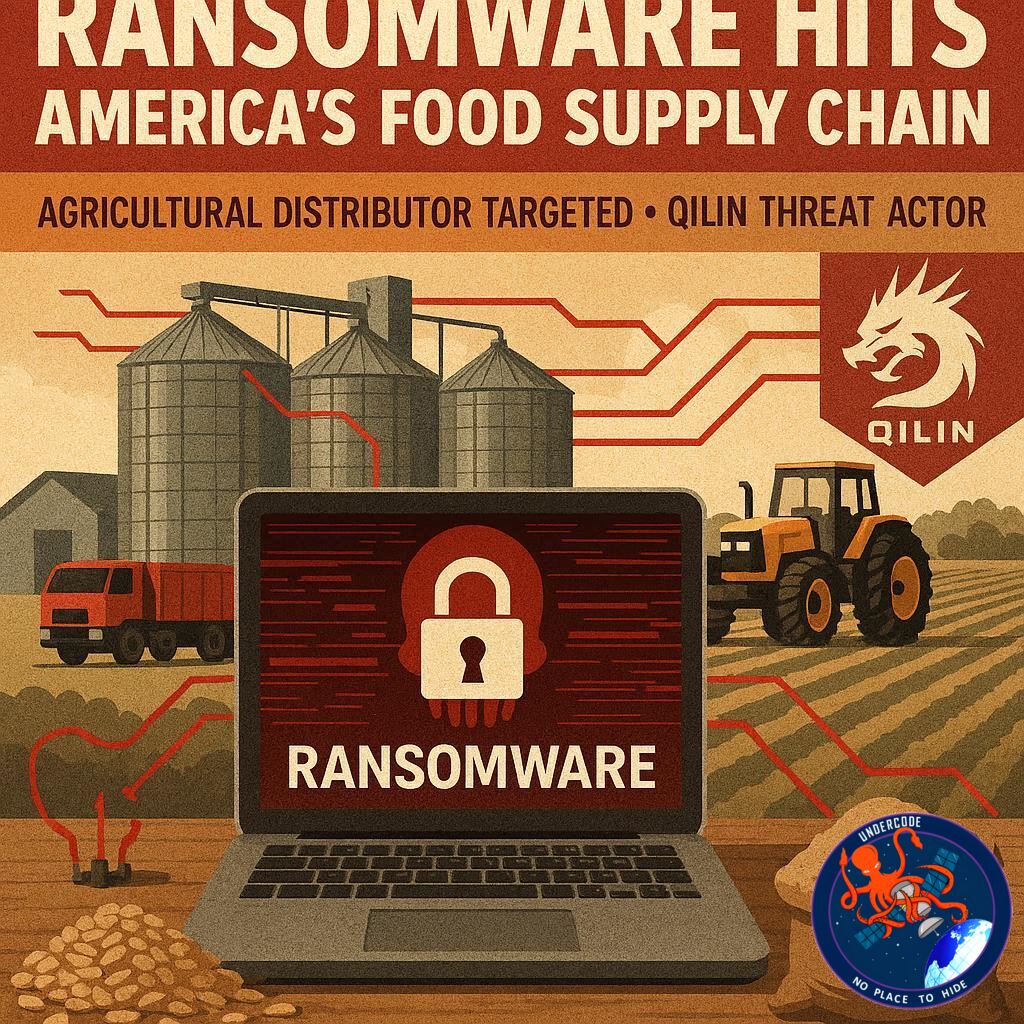
Cyberattacks targeting critical industries are becoming increasingly common, and the agricultural supply chain is no longer off-limits to ransomware groups. A recent cybersecurity alert suggests that Brothers Produce, a company operating within the United States agricultural distribution sector, may have been targeted by the ransomware group known as Qilin. While technical details remain limited, the mere possibility of a ransomware incident in the food distribution network raises serious questions about the security of essential supply chains. As ransomware groups diversify their targets, industries once considered low-risk are now facing digital threats capable of disrupting operations, logistics, and consumer markets.
Reported Ransomware Claim Against Brothers Produce
A cybersecurity monitoring account reported that Brothers Produce in the United States has allegedly become the latest victim of a ransomware attack linked to the Qilin threat actor. The claim surfaced through cyber threat monitoring channels that track ransomware activity across various industries.
Discovery Date of the Incident
According to the available information, the suspected cyber incident was discovered on March 7, 2026. This suggests that the breach or compromise was either recently detected by the company or identified through external ransomware monitoring platforms that track criminal group disclosures.
Limited Technical Details Available
At this stage, there are no publicly confirmed details regarding the technical nature of the attack. It remains unclear whether the attackers successfully encrypted company systems, stole data, or merely gained unauthorized access.
Unknown Status of Data Encryption
One of the biggest unknowns surrounding the incident is whether ransomware encryption has actually taken place. In many modern ransomware cases, attackers encrypt operational systems to force organizations into paying large ransom demands.
Ransom Demands Not Yet Disclosed
Another major unknown is the amount or existence of a ransom demand. Ransomware groups typically announce the demanded payment through dark web leak sites, but no verified figures or negotiation details have been made public.
Agricultural Sector Now a Growing Cyber Target
The fact that an agricultural distributor may have been targeted highlights a concerning trend. Cybercriminal groups have increasingly focused on industries tied to national infrastructure, including food production, logistics, and supply chains.
Monitoring Accounts First Reported the Claim
The initial report about the attack came from cybersecurity monitoring sources that regularly track ransomware activity and data breach disclosures. These accounts often detect incidents before official company statements are released.
Lack of Official Confirmation from the Company
As of now, there has been no confirmed public statement from Brothers Produce verifying the incident. Organizations often take time to investigate internally before acknowledging cybersecurity breaches.
Ransomware Groups Often Use Public Leak Sites
Groups like Qilin commonly use leak sites to pressure victims into paying ransom. These sites may display stolen data samples or countdown timers threatening full data publication if payment is not made.
Supply Chain Implications Could Be Significant
If confirmed, an attack on a produce distributor could disrupt supply logistics, affecting deliveries to retailers, restaurants, and grocery networks across various regions.
What Undercode Says:
Ransomware’s Strategic Shift Toward Critical Industries
Cybercriminal groups have increasingly shifted their focus away from purely financial or technology companies and toward industries that are operationally sensitive. Agriculture, food distribution, healthcare, and transportation are attractive targets because downtime can quickly escalate into financial and societal pressure.
The Real Value of Disrupting Food Distribution
An attack against a food distributor like Brothers Produce could create ripple effects beyond the company itself. Produce distribution is time-sensitive, and delays in processing orders or shipments can lead to wasted inventory, logistical bottlenecks, and price fluctuations across markets.
Why Ransomware Groups Target Supply Chains
Supply chains represent an ideal ransomware target because they involve multiple interconnected partners. Disrupting a single distributor can impact farms, trucking companies, grocery chains, and restaurants simultaneously.
Psychological Pressure as a Ransomware Weapon
Modern ransomware operations rely heavily on psychological pressure. If attackers can threaten disruptions to food distribution, the urgency to restore operations increases dramatically, making victims more likely to negotiate quickly.
Qilin’s Expanding Reputation in the Cybercrime Ecosystem
The ransomware group associated with this claim has been increasingly visible in cyber threat reports. These groups often operate using a ransomware-as-a-service model, where developers supply malware while affiliates conduct attacks.
The Double Extortion Strategy
Most modern ransomware groups no longer rely solely on system encryption. Instead, they steal sensitive data before launching encryption attacks, threatening to publish confidential files if the ransom is not paid.
Food Supply Cybersecurity Remains Underestimated
Despite its critical role, the agriculture sector often receives less cybersecurity investment than industries such as finance or defense. Many agricultural companies operate legacy systems and logistics software that were never designed with modern cyber threats in mind.
Operational Technology as a Potential Weak Point
Food distribution networks rely heavily on operational technology systems such as inventory scanners, refrigeration monitoring, and logistics software. These systems can become entry points for attackers if not properly secured.
Small Vulnerabilities Can Cause Large Disruptions
In supply chain operations, even a small IT disruption can cascade into significant operational failures. A ransomware attack affecting order processing systems could halt shipments for days.
The Silent Phase of Cyber Incidents
It is not uncommon for ransomware incidents to remain unconfirmed for days or weeks. Companies often conduct internal forensic investigations before making public disclosures to regulators, customers, or media.
The Importance of Threat Monitoring Platforms
Cybersecurity monitoring accounts and threat intelligence platforms play an important role in detecting ransomware activity early. Many organizations first learn about breaches through these channels rather than internal alerts.
Regulatory Pressure Is Increasing
Governments are gradually pushing critical infrastructure sectors to improve cybersecurity standards. Agricultural distribution could soon face stricter regulations due to its importance in national food security.
Attack Attribution Can Be Complicated
Even when a ransomware group claims responsibility, verifying the authenticity of the claim can take time. Some groups exaggerate their activity or list victims who have not actually been compromised.
The Economics Behind Ransomware Attacks
Ransomware remains one of the most profitable forms of cybercrime. Attackers can demand millions of dollars in cryptocurrency while investing relatively little infrastructure compared to traditional criminal operations.
Incident Response Speed Matters
Organizations that detect attacks early and isolate infected systems often reduce operational damage significantly. Rapid containment can prevent full network encryption and data theft.
Public Communication Strategies After Attacks
Companies facing ransomware incidents must carefully balance transparency and legal responsibility. Premature statements can expose organizations to legal risks or reveal sensitive information about ongoing investigations.
The Broader Cybersecurity Lesson
Whether or not the incident is ultimately confirmed, the situation highlights an important reality: no industry is immune from ransomware threats. Agriculture, logistics, and food distribution must now treat cybersecurity as a core operational requirement rather than a secondary IT concern.
🔍 Fact Checker Results
✅ Verified Claim: Ransomware Activity Monitoring
Cybersecurity monitoring accounts regularly track ransomware leak sites and publicly report suspected victims before official confirmations.
❌ Unconfirmed Detail: Encryption Status
There is currently no verified evidence confirming that Brothers Produce systems were encrypted.
❌ Unconfirmed Detail: Ransom Demand
No public disclosure has confirmed the existence or size of any ransom payment request.
📊 Prediction
The Agriculture Sector Will Become a Frequent Cyber Target
Cybercriminal groups are increasingly searching for industries where operational disruption creates immediate financial pressure. Agriculture and food distribution are ideal targets because delays can quickly impact entire markets.
Ransomware Groups Will Expand Supply Chain Attacks
Future ransomware campaigns are likely to focus more heavily on supply chains rather than single companies. Attacking one logistics hub can create multi-industry disruption.
Governments Will Push Stronger Food Infrastructure Cybersecurity
As awareness grows around cyber threats to food systems, regulators may introduce stricter cybersecurity standards for agricultural distributors and supply chain companies.
🕵️📝✔️Let’s dive deep and fact‑check.
References:
Reported By: x.com
Extra Source Hub (Possible Sources for article):
https://www.quora.com/topic/Technology
Wikipedia
OpenAi & Undercode AI
Image Source:
Unsplash
Undercode AI DI v2
Bing
🔐JOIN OUR CYBER WORLD [ CVE News • HackMonitor • UndercodeNews ]
📢 Follow UndercodeNews & Stay Tuned:
𝕏 formerly Twitter 🐦 | @ Threads | 🔗 Linkedin | 🦋BlueSky | 🐘Mastodon


