
Listen to this Post
Rising Cyber Threats Dominate the Global Security Landscape
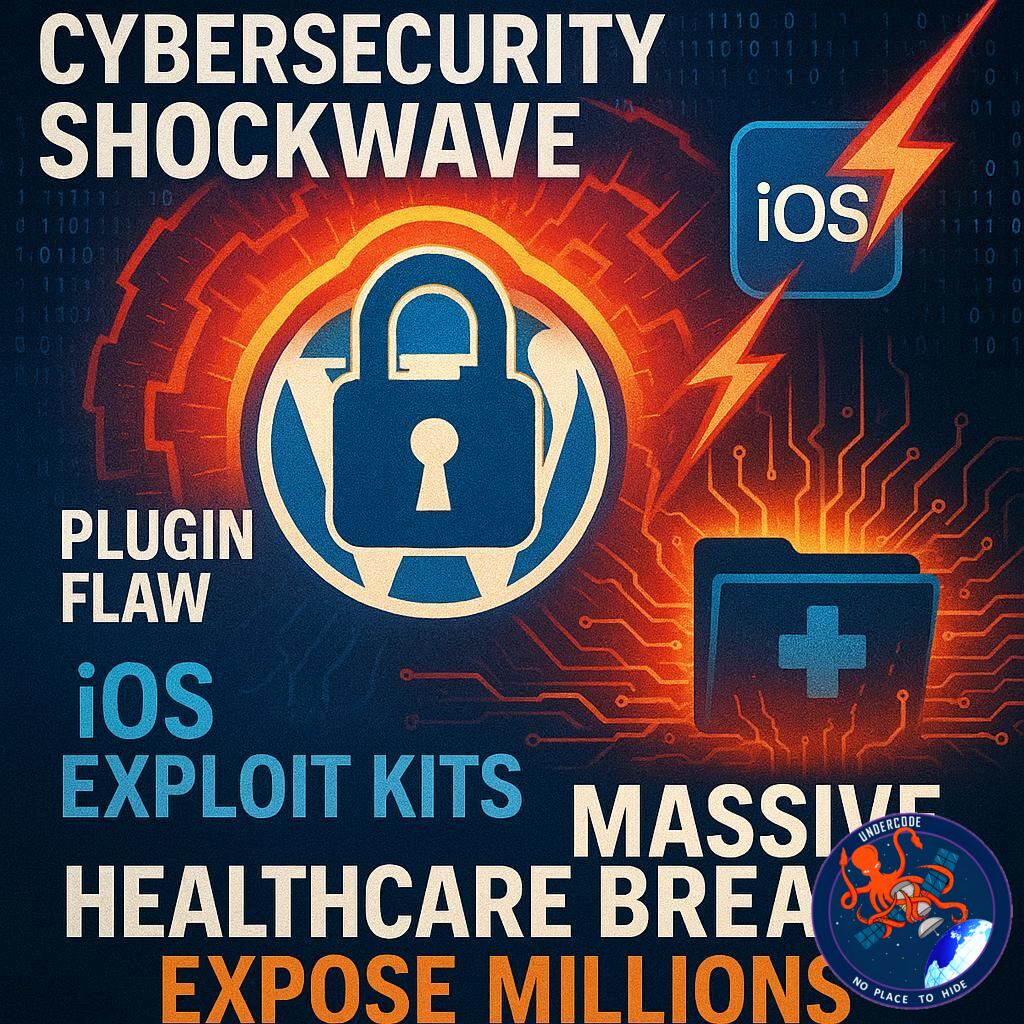
The cybersecurity world is once again on high alert after multiple high-profile vulnerabilities and cyber incidents were disclosed within a short time frame. Security researchers and threat intelligence analysts have identified several alarming developments affecting widely used platforms and critical sectors. Among the most concerning discoveries are a dangerous vulnerability in a popular WordPress plugin that allows attackers to create administrator accounts, a sophisticated exploit kit targeting Apple’s iOS devices, a cyber espionage campaign against Indian government entities, and a massive breach impacting healthcare technology provider TriZetto. Together, these incidents reveal how attackers are evolving their techniques to compromise both individuals and large institutions.
WordPress Plugin Vulnerability Opens the Door to Full Site Takeovers
A serious flaw discovered in a WordPress plugin has raised significant alarm among website owners and administrators. The vulnerability allows attackers to bypass authentication and create administrator accounts without authorization. Once an attacker successfully creates such an account, they essentially gain full control over the affected website. This could enable them to install malware, manipulate website content, redirect visitors to malicious sites, or harvest sensitive user data stored within the platform.
The danger is amplified by the massive global adoption of WordPress, which powers a large portion of the internet’s websites. A vulnerability affecting even a moderately popular plugin can expose thousands or even millions of websites. Cybercriminals often scan the internet for vulnerable installations immediately after disclosure, meaning websites that fail to update quickly may become easy targets.
iOS Exploit Kit “Coruna” Raises Alarm Over Mobile Device Security
Another significant development involves a sophisticated exploit kit reportedly known as Coruna, which targets Apple’s iOS ecosystem. This toolkit is capable of exploiting vulnerabilities that may lead to remote code execution on iPhones and iPads. Remote code execution is one of the most severe categories of software vulnerabilities because it allows attackers to run malicious commands directly on the victim’s device.
Researchers warn that these exploits may also enable attackers to steal cryptocurrency wallets and sensitive data stored on compromised devices. As digital wallets and mobile financial services continue to grow, smartphones have become prime targets for financially motivated attackers. The presence of a working exploit kit significantly increases the risk, since such tools lower the technical barrier for cybercriminals who want to launch attacks.
APT36 Deploys “Vibeware” in Cyber Espionage Campaign
Threat intelligence analysts have also uncovered a cyber espionage campaign attributed to APT36, a well-known advanced persistent threat group. The campaign reportedly uses malware called “Vibeware” to target Indian government organizations. These attacks appear to be part of a broader intelligence-gathering operation designed to infiltrate sensitive government systems and extract confidential information.
Advanced persistent threat groups typically operate with significant resources and long-term strategic objectives. Their attacks are often highly targeted and carefully executed, focusing on government institutions, defense organizations, or critical infrastructure. The use of specialized malware like Vibeware indicates a deliberate effort to maintain persistent access and avoid detection while collecting valuable intelligence.
Massive TriZetto Breach Exposes Sensitive Healthcare Data
One of the most alarming incidents involves a breach affecting TriZetto, a healthcare technology provider whose systems process medical and insurance data. Reports suggest that the breach may have impacted millions of individuals, potentially exposing sensitive personal and medical information.
Healthcare data is particularly valuable on the black market because it can be used for identity theft, insurance fraud, and targeted phishing attacks. Unlike credit card numbers, which can be changed quickly after a breach, medical records and personal identifiers often remain valid for years. This makes healthcare organizations an attractive target for cybercriminal groups seeking long-term profit.
Why These Incidents Matter for Global Cybersecurity
The combination of these incidents highlights how cyber threats now span multiple domains simultaneously. From website infrastructure and mobile operating systems to government networks and healthcare platforms, attackers are probing every possible entry point.
Organizations that rely on digital infrastructure must continuously monitor vulnerabilities, deploy patches, and strengthen defensive strategies. Meanwhile, individuals must also remain vigilant about updating devices and protecting their personal information. In an interconnected digital world, even a single vulnerability can create a chain reaction affecting millions of users.
What Undercode Says:
The Convergence of Multiple Attack Surfaces
The incidents described in this report demonstrate a growing trend in cybersecurity: attackers are no longer focusing on a single platform or ecosystem. Instead, they are launching parallel campaigns across websites, mobile devices, government systems, and enterprise networks. This diversification increases the probability of success because different sectors have varying levels of security maturity.
WordPress Remains the Internet’s Weakest Link
WordPress continues to dominate the web publishing ecosystem, but its plugin-driven architecture remains both its strength and its greatest vulnerability. Thousands of third-party plugins are maintained by independent developers, and many lack the rigorous security auditing that enterprise software typically undergoes.
As a result, a single poorly coded plugin can become a global security threat overnight. Attackers often automate scanning tools to identify vulnerable websites, allowing them to compromise thousands of targets within hours of vulnerability disclosure.
Mobile Devices Are Becoming the New Cyber Battlefield
Smartphones are rapidly transforming into the most valuable digital targets for attackers. Modern devices store banking credentials, authentication tokens, private messages, cryptocurrency wallets, and sensitive corporate data. An exploit kit like Coruna essentially provides attackers with a toolkit to access all of that information remotely.
This shift reflects a broader trend in cybercrime where financial motivation drives innovation. Criminal groups are investing heavily in mobile exploitation because successful attacks can yield direct monetary gain.
Cyber Espionage Continues to Target Government Infrastructure
The activities attributed to APT36 illustrate the ongoing geopolitical dimension of cybersecurity. Nation-state or state-aligned groups frequently conduct long-term cyber espionage campaigns to gain strategic intelligence advantages.
These operations often remain undetected for months or even years because attackers prioritize stealth over speed. The deployment of specialized malware such as Vibeware suggests that attackers are building tailored tools specifically designed to bypass security monitoring systems used by government agencies.
Healthcare Data Breaches Represent Long-Term Risk
The TriZetto breach underscores the persistent vulnerability of the healthcare sector. Hospitals and healthcare service providers often rely on legacy systems that were not originally designed with modern cybersecurity threats in mind. Budget constraints and operational priorities can also delay security upgrades.
When healthcare data is stolen, the consequences extend far beyond financial losses. Victims may face years of identity fraud, targeted scams, and privacy violations. In many cases, stolen medical information can also be used to manipulate insurance claims or create fraudulent patient identities.
The Expanding Cybercrime Economy
Behind these incidents lies a growing underground economy that monetizes vulnerabilities, stolen data, and exploit kits. Cybercriminal marketplaces allow attackers to purchase ready-made tools that simplify complex attacks. This commercialization of cybercrime dramatically lowers the barrier to entry for new attackers.
As a result, the number of potential threat actors continues to increase. Even individuals with limited technical knowledge can now launch sophisticated attacks by purchasing exploit packages or renting ransomware infrastructure.
Patch Management Is Becoming a Critical Defense Strategy
One of the most effective ways to mitigate many cyber threats remains timely patching and software updates. Unfortunately, organizations frequently delay updates due to compatibility concerns or operational disruptions. Attackers are well aware of this hesitation and often exploit vulnerabilities during the window between disclosure and patch deployment.
Organizations that implement automated patch management and vulnerability scanning significantly reduce their exposure to such attacks.
Cybersecurity Awareness Must Extend Beyond IT Departments
Many organizations still treat cybersecurity as a purely technical issue handled by IT teams. However, modern threats often exploit human behavior through phishing, social engineering, or poor security practices.
A comprehensive security strategy must involve employee training, executive oversight, and organizational policies that prioritize digital safety. Without a cultural shift toward cybersecurity awareness, technical defenses alone may not be sufficient.
🔍 Fact Checker
Verified Vulnerabilities and Threat Campaigns
✅ WordPress plugin vulnerabilities frequently allow privilege escalation or unauthorized admin access when authentication mechanisms fail.
Reality of Mobile Exploit Kits
✅ Remote code execution exploits targeting mobile devices can enable attackers to steal data, including cryptocurrency wallet credentials.
Scale of Healthcare Data Breaches
✅ Large healthcare service providers have historically experienced breaches affecting millions of users due to centralized data storage.
📊 Prediction
Escalation of Mobile Exploit Markets
Mobile exploit kits targeting smartphone operating systems will likely become one of the most profitable tools in underground cybercrime markets.
WordPress Supply Chain Attacks Will Increase
Attackers will increasingly target plugin developers and supply chains rather than individual websites, enabling large-scale compromise through a single update channel.
Healthcare Sector Will Face Intensifying Attacks
Healthcare technology providers will remain a prime target for ransomware groups and data theft campaigns due to the high long-term value of medical records.
🕵️📝✔️Let’s dive deep and fact‑check.
References:
Reported By: x.com
Extra Source Hub (Possible Sources for article):
https://www.facebook.com
Wikipedia
OpenAi & Undercode AI
Image Source:
Unsplash
Undercode AI DI v2
Bing
🔐JOIN OUR CYBER WORLD [ CVE News • HackMonitor • UndercodeNews ]
📢 Follow UndercodeNews & Stay Tuned:
𝕏 formerly Twitter 🐦 | @ Threads | 🔗 Linkedin | 🦋BlueSky | 🐘Mastodon


