
Listen to this Post
Introduction: When a Color Becomes a Global Tech Trend
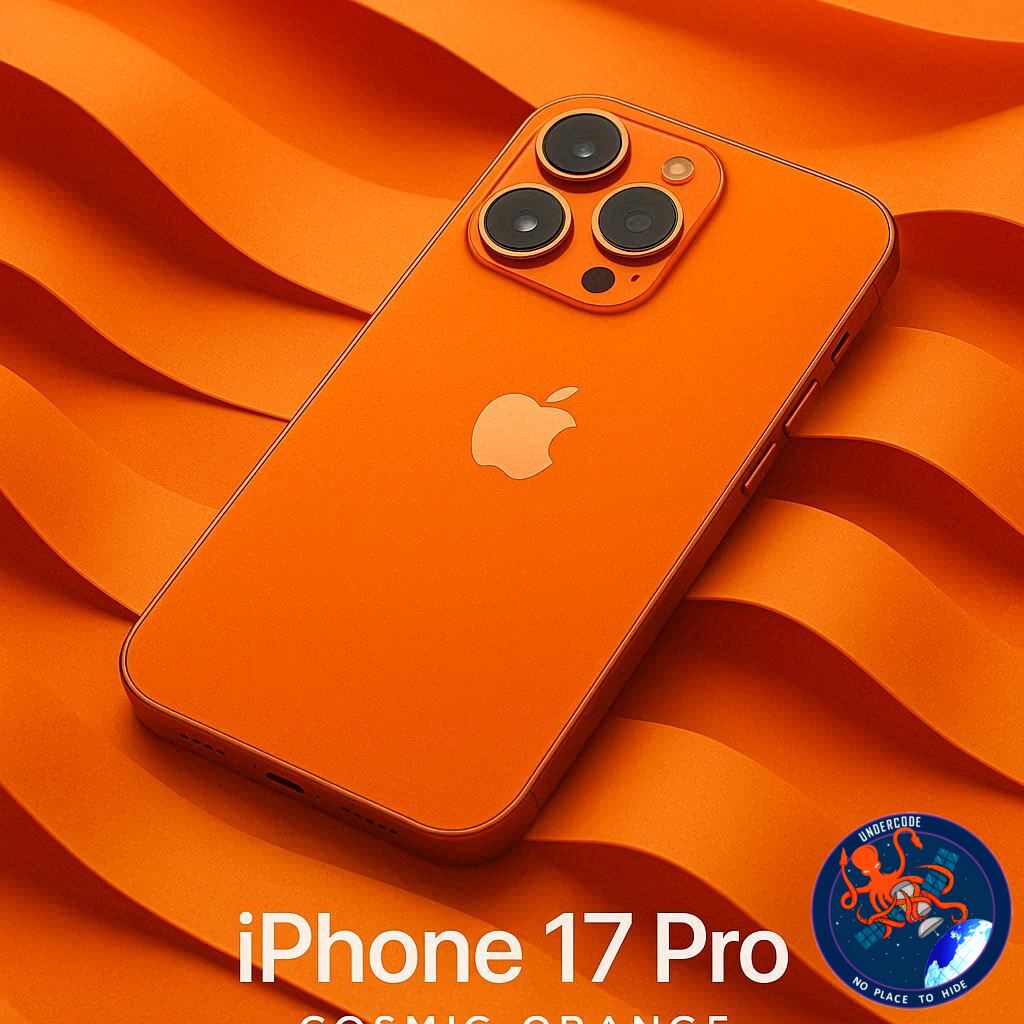
In the smartphone industry, innovation isn’t limited to processors, cameras, or software. Sometimes, a simple design decision—like a bold new color—can reshape an entire market. That’s exactly what happened when Apple introduced the striking Cosmic Orange finish with the Apple iPhone 17 Pro and Apple iPhone 17 Pro Max.
What initially seemed like a daring aesthetic experiment quickly became one of Apple’s most talked-about design choices in years. The vibrant shade didn’t just capture consumer attention—it also helped push Apple’s iPhone sales to record levels. But the influence of Cosmic Orange didn’t stop with Apple. Within months, competitors across the Android ecosystem began rolling out devices sporting suspiciously similar color tones and design cues.
At the 2026 edition of Mobile World Congress, industry watchers noticed a clear pattern: multiple smartphone manufacturers unveiled products that appeared heavily inspired—if not outright copied—from Apple’s latest flagship design. From camera layouts to color palettes, the ripple effect of Apple’s design strategy was impossible to ignore.
How Apple’s Cosmic Orange Became a Market Phenomenon
The launch of the Cosmic Orange finish for the iPhone 17 Pro lineup turned into a marketing triumph for Apple. The color offered something dramatically different from the usual silver, black, and muted metallic tones typically seen in flagship smartphones.
Consumers responded immediately. The bold shade quickly became one of the most recognizable visual elements of the iPhone lineup, helping distinguish the device in a crowded market filled with similar-looking phones. The popularity of the color reportedly contributed to Apple achieving record iPhone sales during the year.
In an industry where branding and visual identity matter as much as technical specifications, Cosmic Orange became more than a design choice—it became a symbol of trendsetting.
Mobile World Congress Reveals a Wave of Lookalikes
During this year’s Mobile World Congress, technology journalists and analysts noticed something unusual while walking through exhibition halls. Several smartphone brands had introduced devices that looked remarkably similar to Apple’s flagship iPhones.
According to reports from CNET, many of the phones on display mimicked not only Apple’s color scheme but also its physical design language. The similarities extended to device size, button placement, and the now-familiar multi-lens rear camera arrangement.
While smartphone companies often draw inspiration from each other, the number of near-identical design elements on display made the trend difficult to ignore.
The Most Blatant Clone: Hotwav’s A17 Pro Max
One of the most obvious examples of imitation came from the Hotwav A17 Pro Max, produced by the Chinese brand Hotwav.
The device didn’t just replicate Apple’s orange color tone—it also borrowed a remarkably similar naming structure. Even the camera module layout and two-tone back panel design mirrored Apple’s aesthetic approach.
Observers pointed out that the similarities went beyond inspiration and bordered on deliberate cloning. The device name itself appears designed to evoke Apple’s premium branding strategy.
Copying More Than Just Smartphones
The Cosmic Orange trend hasn’t remained limited to smartphones. Other consumer electronics companies have also started experimenting with similar shades in their accessories.
For instance, Anker showcased an orange-accented charger resembling Apple’s design palette with the Anker Nano Charger with Smart Display.
This suggests that Apple’s influence isn’t confined to phone design—it’s spreading across broader categories of consumer electronics.
Design Influence Across the Consumer Tech Industry
Apple has long been known for setting design trends that ripple through the technology sector. From aluminum unibody laptops to notch displays and minimalist packaging, competitors frequently adapt Apple-inspired ideas.
The Cosmic Orange phenomenon demonstrates how powerful design identity can be in shaping consumer expectations. Once a particular aesthetic becomes associated with premium technology, other brands often attempt to replicate it to capture some of that appeal.
What Could Be Next: Color Trends Beyond the iPhone
Apple recently introduced the colorful MacBook Neo lineup, expanding its playful approach to device aesthetics.
If the smartphone industry’s reaction to Cosmic Orange is any indication, it may only be a matter of time before similar color schemes appear in competing laptops and accessories. Manufacturers closely watch Apple’s design choices because they often signal upcoming market trends.
In many cases, what begins as a unique Apple experiment evolves into a widely adopted industry standard.
What Undercode Says:
The Psychology Behind Color Trends in Tech
Color may seem superficial in a device packed with advanced silicon and cameras, but psychologically it plays a powerful role in consumer decision-making. Apple understands this better than most technology companies. A distinctive color can make a product instantly recognizable in advertising, social media posts, and even crowded store shelves.
The Cosmic Orange shade used in the iPhone 17 Pro lineup functions almost like a branding shortcut. When consumers see that particular color tone paired with a premium smartphone design, their brain immediately associates it with Apple’s flagship devices. That association creates perceived value—even before a buyer evaluates specifications.
Apple’s Strategy: Differentiation Through Identity
Apple’s success with this color is not accidental. The company has repeatedly used design differentiation to separate its products from competitors. Think about iconic colors like Product Red editions or the pastel iMacs of earlier generations.
Cosmic Orange is essentially the next chapter in that strategy. By launching a bold color on its most premium devices, Apple ensured that the shade would become aspirational. Competitors, noticing consumer enthusiasm, rushed to replicate the look in hopes of riding the same wave of attention.
Why Competitors Often Copy Apple
The phenomenon of Android manufacturers copying Apple designs is not new. Historically, Apple has introduced design elements that later spread across the industry—sometimes years later.
Examples include the removal of headphone jacks, flat-edge phone frames, and minimalist camera bumps. When Apple proves that a design choice resonates with buyers, rival companies often adopt similar aesthetics because the risk has already been tested in the market.
In the case of Cosmic Orange, competitors likely see it as a safe way to refresh their own device lineups without investing heavily in original design experimentation.
The Branding Risk for Copycat Manufacturers
However, copying Apple too closely carries risks. When consumers notice obvious design imitation, it can damage a brand’s perception of originality.
Devices like the Hotwav A17 Pro Max illustrate this challenge perfectly. While mimicking Apple’s style may attract attention initially, it can also make the product appear derivative rather than innovative. In a market already saturated with smartphones, originality is becoming increasingly valuable.
The Accessory Ecosystem Effect
Another interesting aspect of this trend is how quickly it spreads to accessories. Chargers, cables, phone cases, and even headphones often mirror the dominant design language of flagship devices.
When accessory makers like Anker experiment with orange-accented designs, they are essentially aligning their products with the visual identity of popular smartphones. This reinforces the trend and makes the color feel even more mainstream.
The Future of Smartphone Aesthetics
Smartphone innovation is slowing in terms of dramatic hardware leaps. As a result, companies are relying more on design, materials, and color to create excitement around new models.
Bold colors like Cosmic Orange could become a new battleground for differentiation. Instead of subtle variations of black or silver, manufacturers may increasingly experiment with distinctive shades to stand out in marketing campaigns.
If this pattern continues, the smartphone market might soon resemble the fashion industry—where seasonal colors and style trends influence buying decisions as much as functionality.
🔍 Fact Checker Results
Verification of the Cosmic Orange Trend
✅ Reports from technology media confirm that multiple devices shown at Mobile World Congress displayed designs closely resembling Apple’s iPhone lineup.
Clone Device Naming and Design Similarity
✅ The Hotwav A17 Pro Max uses naming conventions and camera layouts reminiscent of Apple’s flagship devices.
Accessory Brands Adopting Similar Colors
✅ Companies such as Anker have introduced products featuring orange-toned designs, reflecting broader industry adoption of the aesthetic.
📊 Prediction
Apple’s Cosmic Orange experiment may signal a larger shift in the smartphone industry toward bold identity-driven design. Over the next two years, more manufacturers will likely introduce vibrant flagship colors as a way to differentiate products in an otherwise mature hardware market.
At the same time, the imitation trend could intensify. Smaller smartphone brands may increasingly launch devices with Apple-like aesthetics to capitalize on consumer familiarity.
However, the companies that truly succeed will not be those that merely copy Apple—but those that take inspiration and transform it into something uniquely their own.
🕵️📝✔️Let’s dive deep and fact‑check.
References:
Reported By: 9to5mac.com
Extra Source Hub (Possible Sources for article):
https://stackoverflow.com
Wikipedia
OpenAi & Undercode AI
Image Source:
Unsplash
Undercode AI DI v2
Bing
🔐JOIN OUR CYBER WORLD [ CVE News • HackMonitor • UndercodeNews ]
📢 Follow UndercodeNews & Stay Tuned:
𝕏 formerly Twitter 🐦 | @ Threads | 🔗 Linkedin | 🦋BlueSky | 🐘Mastodon


