
Listen to this Post
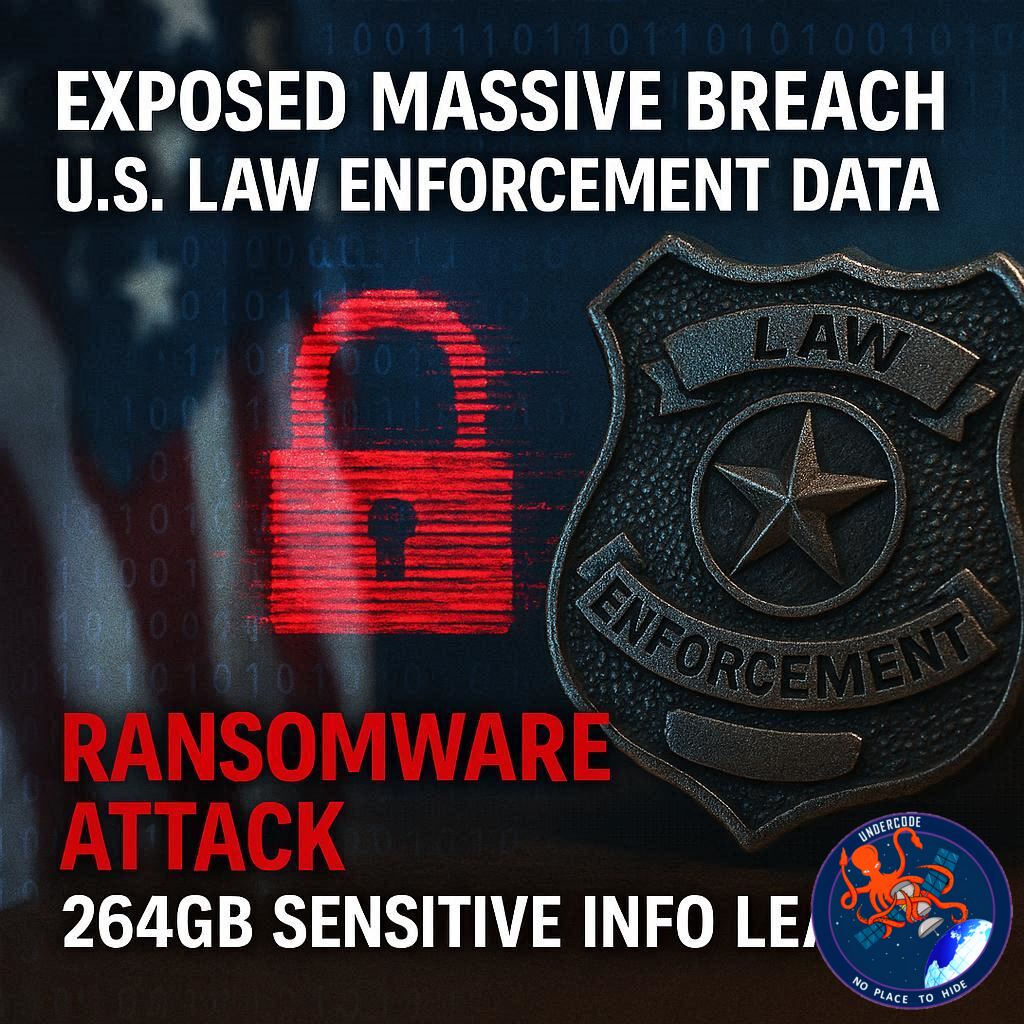
The cybercrime underworld has struck again, this time targeting critical infrastructure tied to law enforcement operations in the United States. A recent report from dark web monitoring group Dark Web Intelligence indicates that First Priority Group, a company linked to law enforcement vehicle customization and tactical gear, has suffered a significant ransomware breach. Early indications suggest the attacker — a threat actor known as Everest — has exfiltrated over 264 gigabytes of sensitive data, potentially exposing confidential vehicle configurations, equipment inventories, and personnel information. This revelation raises urgent questions about the security posture of companies serving government and law enforcement clients and the downstream risks to operational integrity and officer safety.
the Incident
Dark Web Intelligence reported that First Priority Group, identified as a U.S.-based provider of customized law enforcement vehicles and tactical support services, was allegedly compromised by a ransomware gang calling itself Everest. According to the alert, the threat actor successfully infiltrated First Priority Group’s systems and exfiltrated a massive 264 GB cache of files before locking the network with ransomware encryption.
The stolen dataset reportedly includes detailed configurations for specialized law enforcement vehicles — information that could provide insights into fleet capabilities, equipment layout, and tactical support systems used by police agencies nationwide. In addition to technical files, the breach is said to contain records tied to personnel and tactical equipment, potentially exposing sensitive operational data and personal information of employees or affiliates.
The initial disclosure of the breach surfaced via a Dark Web Intelligence post, which tracked the leak’s appearance on underground forums. While the original source did not cite direct confirmation from First Priority Group itself, the ransomware group Everest reportedly listed the company on its data leak site, asserting the attack as part of its extortion campaign. Observers of the dark web community have noted an uptick in such ransomware claims, often accompanied by partial data dumps intended to pressure victims into paying for decryption keys and non‑disclosure.
Security analysts watching the situation emphasize that breaches of third‑party vendors like First Priority Group pose compounded threats: not only is the vendor’s data at risk, but the law enforcement agencies and personnel associated with that vendor could face secondary exposure. This incident highlights the trend of “supply chain” ransomware attacks, where service providers become lucrative targets due to their privileged access to sensitive ecosystems.
At the time of reporting, there has been no public statement from First Priority Group confirming or denying the incident, nor has there been verified information regarding ransom payment or mitigation steps. Law enforcement cybersecurity units are likely investigating, although details remain sparse beyond the dark web monitoring report.
What Undercode Say:
Critical Vulnerabilities in Law Enforcement Supply Chains
The alleged breach of First Priority Group reflects a broader pattern where cybercriminals increasingly target third‑party service providers who manage critical infrastructure for government and law enforcement. These firms often operate with decentralized security practices and legacy systems, making them attractive entry points for sophisticated ransomware operators.
Everest Threat Actor — More Than a Name in the Dark
While “Everest” may not yet be among the most notorious ransomware groups, its activity signals the fragmentation of the ransomware ecosystem. Such actors increasingly operate through affiliate models, where multiple groups share resources, tools, and access in exchange for profit cuts, making attribution harder and response coordination slower.
Operational Risk Beyond Data Theft
The implications of leaked law enforcement vehicle configurations go beyond privacy concerns — they may weaken tactical advantages, reveal equipment capabilities or limitations, and inadvertently aid adversaries who now have a blueprint of enforcement tools. This elevates the breach from a conventional data theft to a potential national security issue.
Supply Chain Exploitation Is Rising
This incident underscores an urgent shift: attackers are no longer just going after high‑profile corporate or financial targets. They’re actively seeking vendors that serve multiple clients across sectors. The damage radius of such attacks is exponentially larger, affecting not just one entity, but unquantified downstream partners reliant on the breached vendor.
The Need for Proactive Cyber Defense in Government Partners
Law enforcement agencies and public service organizations must treat their vendors’ cyber resilience as part of their own defense posture. This breach could be the catalyst pushing reluctant agencies to adopt stricter vendor assessments, real‑time monitoring, and contractual mandates for cybersecurity standards.
Fact Checker Results 🔍
Claim Verified: A dark web monitoring group reported a ransomware incident involving First Priority Group.
Unverified: There is no official public confirmation from First Priority Group or law enforcement agencies acknowledging the breach.
Potentially Exaggerated: Details about the specific contents and impact of the 264 GB leak are based on underground postings, not verified forensic disclosures.
Prediction
Given current trends in ransomware activity and the increasing attractiveness of supply‑chain targets, it is likely that similar breaches involving government contractors — especially those handling sensitive operational data — will continue over the next 12 months. We may see regulatory responses mandating higher cybersecurity baselines for service providers tied to public safety functions. Additionally, ransomware groups will likely leverage partial data leaks as a negotiation tactic more frequently, forcing victims into risk‑based decisions on disclosure and payment. Agencies dependent on third‑party support will need to invest in heightened monitoring and incident response collaborations to mitigate future operational compromises.
🕵️📝✔️Let’s dive deep and fact‑check.
References:
Reported By: x.com
Extra Source Hub (Possible Sources for article):
https://www.twitter.com
Wikipedia
OpenAi & Undercode AI
Image Source:
Unsplash
Undercode AI DI v2
Bing
🔐JOIN OUR CYBER WORLD [ CVE News • HackMonitor • UndercodeNews ]
📢 Follow UndercodeNews & Stay Tuned:
𝕏 formerly Twitter 🐦 | @ Threads | 🔗 Linkedin | 🦋BlueSky | 🐘Mastodon


