
Listen to this Post
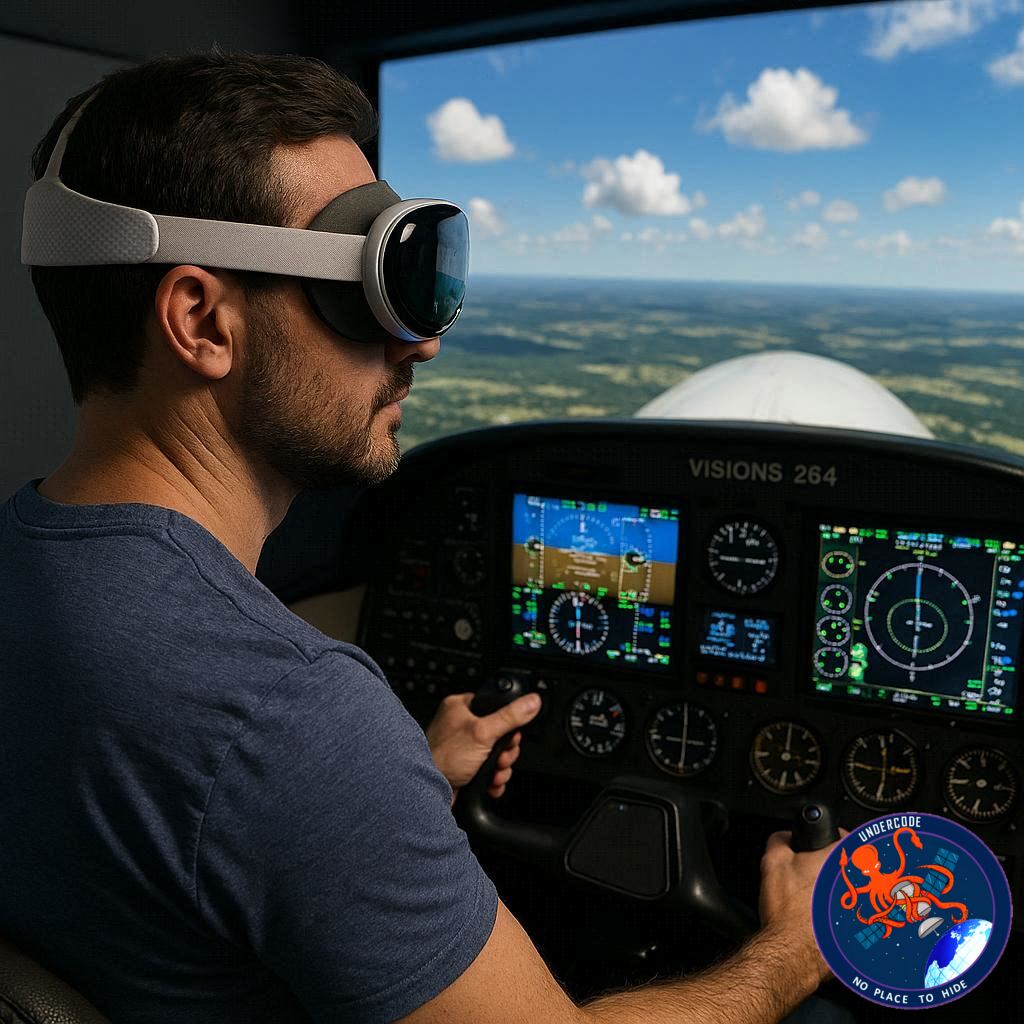
Apple is set to redefine immersive gaming and simulation experiences with its upcoming visionOS 26.4 update, bringing the acclaimed X-Plane 12 flight simulator to the Apple Vision Pro headset. For flight enthusiasts and tech lovers alike, this marks a major leap in spatial computing, combining cutting-edge hardware, cloud streaming, and augmented reality to deliver an unprecedented flight experience.
X-Plane 12 Arrives on Apple Vision Pro
X-Plane 12, already celebrated as “the world’s most advanced flight simulator,” has been available on Mac, Windows, and Linux platforms. With visionOS 26.4, Apple Vision Pro users will now enjoy this simulator in full immersive glory. This is made possible through the integration of NVIDIA CloudXR 6.0, which allows streaming from powerful PC and cloud-based NVIDIA RTX systems directly to Vision Pro.
The simulator will use a companion app designed for visionOS to detect Apple Vision Pro devices automatically, making setup seamless. Through this app, users can stream X-Plane 12 in real-time, with ARKit-based image detection enabling precise tracking of cockpit positions. This merges physical and virtual elements for a truly lifelike simulation. CloudXR technology also delivers foveated streaming, ensuring high-resolution visuals with minimal latency while keeping users’ gaze data private.
Immersive Flight Simulation Like Never Before
With Vision Pro’s spatial computing capabilities, flight simulation becomes a deeply engaging experience. Users can interact naturally with cockpit controls, navigate realistic terrain, and enjoy visual fidelity far beyond traditional monitors. The combination of Vision Pro and X-Plane 12 provides both enthusiasts and professional pilots a next-level training and gaming environment, making each flight feel tangible and intensely realistic.
Moreover, Apple’s visionOS 26.4 is likely to pave the way for additional immersive simulator experiences, extending beyond flight simulation into other high-fidelity gaming or training applications.
What Undercode Says:
Transforming Simulation with Spatial Computing
The introduction of X-Plane 12 to Apple Vision Pro highlights the growing importance of spatial computing in professional-grade simulators. Unlike traditional flight simulators on screens, Vision Pro allows full 3D immersion, creating a more intuitive sense of depth, scale, and movement. This will likely influence how both recreational and professional flight training is conducted in the future.
CloudXR Unlocks New Capabilities
NVIDIA CloudXR integration is a game-changer. By offloading the heavy graphical processing to cloud or RTX PCs, Vision Pro users can access ultra-realistic visuals without needing a high-end local machine. The combination of low-latency streaming and foveated rendering also addresses two key challenges: latency in VR experiences and privacy concerns related to gaze tracking.
Streamlined User Experience
The automatic detection and streaming via the companion app remove barriers to entry. Users don’t need advanced technical knowledge or cumbersome setups, making high-end simulation accessible to a broader audience. This could also accelerate adoption of Vision Pro among flight enthusiasts who previously relied solely on desktops or physical simulators.
Potential Expansion Beyond Flight Simulators
While X-Plane 12 is the first major release leveraging visionOS 26.4, the infrastructure hints at a future where other immersive training and entertainment applications could flourish. Racing simulators, architectural walkthroughs, and space exploration simulations could all benefit from this platform.
Impact on Gaming and Professional Training
For the gaming industry, Vision Pro with X-Plane 12 elevates immersive gameplay standards, setting a benchmark for how spatial computing and cloud streaming can merge. For professional pilots, the ability to simulate flights in a visually accurate and interactive environment could reduce costs and increase training efficiency, bridging the gap between virtual and real-world skills.
Visual Fidelity and Realism
ARKit-powered cockpit tracking ensures that virtual instruments respond naturally to the user’s head and hand movements. This seamless blending of physical and digital interactions enhances realism and could revolutionize not just flight simulation, but also VR-enabled design and engineering applications.
Accessibility and Adoption Trends
With Apple’s user-friendly ecosystem, visionOS 26.4 makes immersive simulation accessible beyond hardcore enthusiasts. The potential for companion apps in the App Store could democratize high-end simulation, expanding the market for immersive experiences across both gaming and professional training sectors.
Economic Implications for Developers
Game developers now have a proven blueprint for porting complex simulators to VR platforms. By leveraging cloud streaming and Vision Pro’s hardware, developers can deliver high-quality experiences without requiring consumers to invest in high-end PCs, potentially increasing revenue streams and audience reach.
Future Proofing Immersive Tech
Apple’s move signals a commitment to future-proof immersive technology. As hardware and cloud infrastructure evolve, experiences like X-Plane 12 will only get richer, smoother, and more interactive, cementing Vision Pro as a serious contender in both consumer and professional markets.
🔍 Fact Checker Results
X-Plane 12 confirmed for Apple Vision Pro ✅
visionOS 26.4 supports NVIDIA CloudXR 6.0 ✅
Companion app with ARKit integration will handle automatic streaming ✅
📊 Prediction
Apple Vision Pro paired with X-Plane 12 will redefine immersive flight simulation, attracting both gamers and professionals. We predict a rise in cloud-based VR gaming adoption, more flight simulators migrating to visionOS, and the expansion of immersive applications into training and entertainment industries. By the end of 2026, Vision Pro could become a central hub for high-fidelity VR simulations, influencing competitors like Meta and HTC to enhance their own spatial computing ecosystems.
🕵️📝✔️Let’s dive deep and fact‑check.
References:
Reported By: 9to5mac.com
Extra Source Hub (Possible Sources for article):
https://www.reddit.com/r/AskReddit
Wikipedia
OpenAi & Undercode AI
Image Source:
Unsplash
Undercode AI DI v2
Bing
🔐JOIN OUR CYBER WORLD [ CVE News • HackMonitor • UndercodeNews ]
📢 Follow UndercodeNews & Stay Tuned:
𝕏 formerly Twitter 🐦 | @ Threads | 🔗 Linkedin | 🦋BlueSky | 🐘Mastodon


