
Listen to this Post
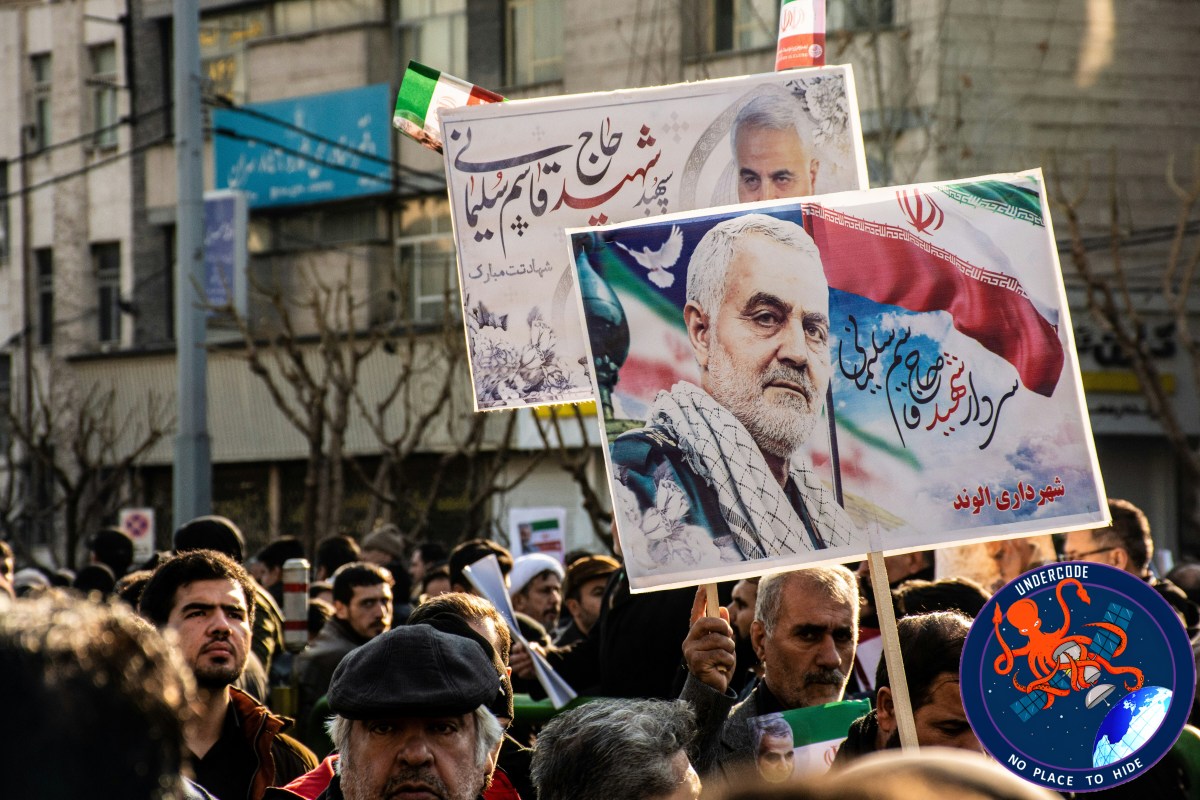
Introduction: Rising Cyber Tensions After a Geopolitical Shock
Critical infrastructure operators across the United States and parts of the Middle East are entering a period of heightened cybersecurity vigilance following a dramatic military escalation involving Iran. The recent airstrikes that reportedly killed the country’s supreme leader along with several senior officials have created immediate concerns about retaliation. While military responses are often the first scenario considered in geopolitical crises, cybersecurity experts warn that digital retaliation may arrive faster, quieter, and potentially just as disruptive.
Cyber operations have long been an important component of Iran’s strategic response toolkit. Security analysts say that Iranian state linked groups and sympathetic hacktivists often deploy cyber campaigns against infrastructure systems, government networks, and private companies when political tensions escalate. As a result, cybersecurity teams within sectors such as energy, water, telecommunications, and finance are preparing for a possible wave of attacks.
Heightened Cyber Activity Following the February Airstrikes
Security researchers have already observed an increase in suspicious cyber activity following the February 28 airstrikes. Analysts at CrowdStrike reported that Iran aligned hacker groups and online hacktivist communities have intensified operations targeting organizations in the Middle East, the United States, and parts of Asia.
This surge in activity suggests early stages of coordinated digital retaliation. While some operations may be symbolic or limited in scale, cybersecurity firms warn that they could also serve as reconnaissance efforts preparing for larger attacks later.
Hydro Kitten Signals Potential Financial Sector Attacks
One group drawing particular attention is Hydro Kitten, a hacking unit believed to operate on behalf of Iran’s Islamic Revolutionary Guard Corps. According to cybersecurity officials, this group has indicated possible plans to target financial institutions.
Hydro Kitten has previously been associated with espionage campaigns and data exfiltration operations against government agencies and corporations. Their activity often focuses on gathering intelligence before conducting disruptive attacks.
Experts Warn About Iran’s Cyber Capabilities
Cybersecurity experts stress that Iran has developed a significant cyber warfare capability over the past decade. Retired General Paul Nakasone, former head of both the National Security Agency and US Cyber Command, described Iran as a potent and hostile cyber power during remarks at a cybersecurity conference in California.
According to Nakasone, national vigilance is essential because Iranian cyber operators have demonstrated the ability to target critical systems. Their tactics frequently combine espionage, sabotage, and information warfare.
Anticipated Wave of Disruption Campaigns
Former FBI cyber official James Turgal predicts that the coming weeks could bring a wave of lower level but disruptive cyber operations. These may include distributed denial of service attacks that overwhelm websites, data leaks intended to embarrass organizations, and website defacements designed to spread political messages.
Such attacks often aim to generate psychological impact rather than long term operational damage. However, they can still disrupt services and create significant public concern.
Critical Infrastructure in the Crosshairs
More serious cyber intrusions could potentially target essential infrastructure systems. According to security analysts, industries most at risk include energy networks, water utilities, telecommunications providers, and transportation systems.
These sectors are attractive targets because disruptions could affect millions of people and generate immediate headlines. Even temporary outages can produce political pressure and economic losses.
Iran’s History of Cyber Retaliation
Iran has repeatedly used cyber operations to respond to geopolitical tensions. Past campaigns have targeted both regional rivals and Western nations, including the United States.
Cyber retaliation offers strategic advantages for states that may not want to engage in direct military conflict. Digital attacks provide plausible deniability while still allowing adversaries to impose costs on their opponents.
Past Ransomware Attacks Linked to Iranian Actors
In one recent case, an Iranian national admitted involvement in a ransomware operation that targeted several US cities, corporations, and healthcare organizations. These attacks encrypted critical files and demanded payment to restore access.
Such incidents highlight how cybercriminal tactics can overlap with state sponsored operations. Governments sometimes rely on affiliated actors who operate within loosely defined boundaries.
Election Interference Through Cyber Intrusion
Iranian hackers have also attempted to influence political processes abroad. During the 2024 United States election cycle, cyber operators linked to Iran reportedly compromised systems associated with Donald Trump’s presidential campaign using spear phishing techniques.
Spear phishing remains one of the most effective methods for gaining initial access to networks. By tricking users into revealing login credentials or opening malicious attachments, attackers can quietly infiltrate organizations.
Cyber Attacks Against Albania in 2022
Another example of Iran’s cyber capabilities occurred in 2022 when state sponsored hackers launched a destructive cyber campaign against the Albanian government. The attack deployed ransomware and wiper malware that disrupted websites and online services across government agencies.
The incident demonstrated that Iranian cyber operations can escalate beyond espionage into destructive attacks that permanently damage data and systems.
Blending Espionage, Disruption, and Disinformation
Iranian cyber strategy often combines multiple types of digital operations. These may include intelligence gathering, network disruption, destructive malware, and online propaganda campaigns.
By combining these techniques, attackers can create confusion and amplify the psychological impact of cyber incidents. Disinformation campaigns can also shape public perception of an event while technical attacks unfold.
Hacktivist Networks Expand Operational Reach
Another important element of Iran’s cyber ecosystem is the presence of independent hacktivist groups that support the government’s geopolitical positions. These actors may operate independently but often align with Iranian state interests.
Because they are not formally part of government structures, hacktivists provide an additional layer of deniability. At the same time, they increase the number of potential attackers involved in cyber retaliation.
Warning From Cybersecurity Researchers
Cybersecurity experts warn that if Iran decides to retaliate strongly against recent military actions, cyber operations could be one of the first tools deployed. Analysts believe that state backed groups and affiliated hackers could be activated simultaneously.
Such coordinated campaigns could target a range of organizations across several countries, especially those perceived as supporting the airstrikes.
Early Claims May Exaggerate Actual Impact
Despite the growing concern, some cybersecurity researchers caution that not all reported attacks are confirmed. CrowdStrike analysts noted that many public claims circulating online appear to be driven more by publicity than by verified evidence.
Hacktivist groups frequently exaggerate their successes to gain attention and influence media coverage. As a result, some announcements of major breaches may ultimately prove false or overstated.
Government Shutdown Raises Additional Security Concerns
The emerging cyber threat arrives during a difficult moment for US homeland security operations. Lawmakers are currently debating funding measures required to fully reopen the Department of Homeland Security.
The dispute has affected staffing levels at several agencies responsible for monitoring cyber threats.
CISA Operating With Limited Capacity
One of the most affected organizations is the Cybersecurity and Infrastructure Security Agency. During the shutdown period, the agency has been operating with only about 38 percent of its normal staffing capacity.
This reduced workforce could limit the government’s ability to monitor threats, share intelligence, and respond quickly to emerging cyber incidents.
Political Leaders Warn About Exploited Weaknesses
Some lawmakers warn that adversaries could view the shutdown as an opportunity. Political leaders have expressed concern that foreign actors might exploit perceived vulnerabilities in national security infrastructure.
Periods of institutional disruption can provide attackers with a window of opportunity to test defenses or conduct reconnaissance operations.
Federal Authorities Monitoring Potential Threats
Despite these challenges, federal officials say they remain closely coordinated with intelligence agencies and law enforcement partners. Security teams are actively monitoring digital networks for suspicious activity that may signal upcoming cyber attacks.
Government agencies are also communicating with private sector operators responsible for critical infrastructure systems.
Expanding Cyber Conflict in the Middle East
If geopolitical tensions continue to escalate, additional cyber actors could become involved. Cyber conflict often spreads beyond the initial participants as regional allies and adversaries join the digital battlefield.
This dynamic can transform localized incidents into broader cyber campaigns involving multiple countries.
Alleged Israeli Cyber Operation Against Iranian App
Recent reports suggest that Israel may have conducted a cyber operation targeting a widely used Iranian prayer application. The attack reportedly pushed notifications urging members of Iran’s military to defect.
Such information operations demonstrate how cyber tools can be used not only to disrupt systems but also to influence human behavior.
Attempted Attack on Jordanian Infrastructure
Meanwhile, pro Iranian hackers claimed responsibility for a phishing campaign targeting Jordan Silos and Supply General Company, a key system responsible for wheat management in Jordan.
Jordanian officials later reported that the attempted breach was successfully stopped before significant damage occurred.
What Undercode Say:
Cyber Retaliation Is Often Faster Than Military Response
Digital retaliation allows governments to respond rapidly to geopolitical crises without escalating into direct military confrontation. Cyber operations can begin within hours or days of a triggering event, especially when pre existing access to networks already exists.
This speed makes cyber retaliation one of the most likely first responses following the recent strikes.
Infrastructure Attacks Are Designed for Psychological Impact
Critical infrastructure attacks do not always aim for long term destruction. In many cases the objective is psychological pressure. Temporary disruptions to water systems, fuel pipelines, or telecommunications can create fear and political stress even if services are quickly restored.
For adversaries, the perception of vulnerability can be as powerful as actual damage.
Hybrid Cyber Warfare Is Becoming the New Normal
Iran’s cyber strategy reflects a broader trend in modern conflict. Governments increasingly combine espionage, hacktivism, ransomware, propaganda, and sabotage into a single hybrid campaign.
This approach allows attackers to operate on multiple fronts simultaneously.
Hacktivists Expand the Attack Surface
One major challenge for defenders is the involvement of loosely affiliated hacktivists. These groups often coordinate through social media channels and encrypted messaging platforms.
Their participation increases the unpredictability of cyber conflicts because they may launch attacks independently of state direction.
Attribution Remains a Persistent Problem
Another difficulty in responding to cyber attacks is determining who is responsible. Attackers frequently route their operations through multiple countries and compromised systems.
Even when evidence points toward a particular nation, definitive attribution can take weeks or months.
Political Instability Can Increase Cyber Risk
The timing of this threat also highlights how domestic political issues can affect cybersecurity readiness. Reduced staffing at key security agencies may limit monitoring capabilities.
Adversaries closely watch such situations for opportunities to probe defenses.
Cyber Warfare Targets Civilian Systems
Unlike traditional military operations, cyber attacks frequently target civilian infrastructure. Hospitals, water utilities, and city governments often lack the same level of defense resources as military systems.
This imbalance makes them attractive targets for retaliation campaigns.
Digital Influence Operations Are Expanding
The alleged attack on the Iranian prayer application demonstrates how cyber operations are evolving. Modern campaigns increasingly focus on influencing people rather than simply damaging systems.
Messaging campaigns designed to create distrust or encourage defection can have strategic consequences.
Private Sector Security Becomes National Security
Because most infrastructure in the United States is privately operated, cybersecurity responsibility extends far beyond government agencies. Energy companies, telecom providers, and water utilities are now frontline defenders in geopolitical cyber conflicts.
Their security practices directly affect national resilience.
The Next Phase May Be Quiet
Cyber retaliation does not always appear immediately as large scale attacks. In many cases the early phase involves reconnaissance, credential theft, and silent network infiltration.
The most damaging operations sometimes occur weeks or months after the initial geopolitical event.
Fact Checker Results
✅ Iranian cyber groups have previously targeted US infrastructure, including municipalities and healthcare organizations.
✅ The 2022 cyber attack against Albania attributed to Iranian actors disrupted government services.
❌ Claims of large scale retaliatory attacks following the recent strikes remain largely unverified so far.
Prediction
Escalation Through Digital Proxy Conflicts
Cyber activity linked to Iranian aligned actors will likely increase in the coming weeks, particularly through hacktivist groups seeking visibility and influence.
Infrastructure Defense Will Tighten
Critical infrastructure operators will expand monitoring and threat intelligence sharing to prevent disruptions to energy, water, and telecommunications systems.
Cyber Operations May Spread Regionally ⚠️
If geopolitical tensions continue escalating, additional countries and non state cyber groups may join the digital conflict, expanding attacks beyond the United States and Middle East. 🔐🌍
🕵️📝✔️Let’s dive deep and fact‑check.
References:
Reported By: axioscom_1773266367
Extra Source Hub (Possible Sources for article):
https://www.twitter.com
Wikipedia
OpenAi & Undercode AI
Image Source:
Unsplash
Undercode AI DI v2
Bing
🔐JOIN OUR CYBER WORLD [ CVE News • HackMonitor • UndercodeNews ]
📢 Follow UndercodeNews & Stay Tuned:
𝕏 formerly Twitter 🐦 | @ Threads | 🔗 Linkedin | 🦋BlueSky | 🐘Mastodon


