
Listen to this Post
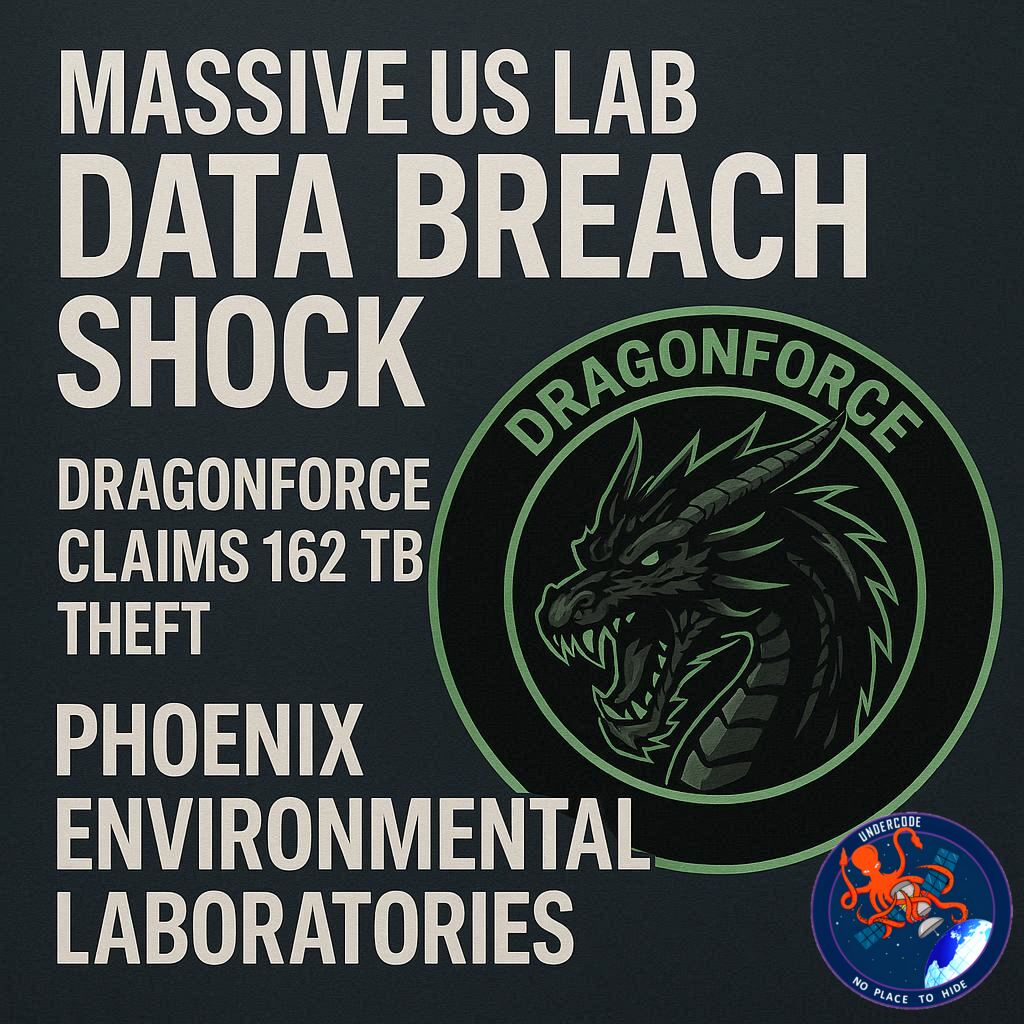
Introduction: A New Cybersecurity Alarm for U.S. Institutions
Cybersecurity threats continue to escalate across the United States, but a newly reported breach involving Phoenix Environmental Laboratories has raised particular concern due to the sheer volume and sensitivity of the stolen information. According to reports circulating in cybersecurity monitoring communities, the ransomware and cyber-extortion group known as DragonForce claims to have infiltrated the laboratory’s systems and extracted an enormous trove of confidential data. The alleged breach includes deeply personal records such as Social Security numbers, tax identification numbers, driver’s license details, and financial information belonging to customers and employees. If confirmed, this incident would represent one of the more serious laboratory-sector data exposures in recent months, highlighting ongoing vulnerabilities in organizations that manage both scientific data and sensitive administrative records.
Alleged Breach by DragonForce
Cybersecurity monitoring accounts reported that the hacking group DragonForce claims responsibility for penetrating the systems of Phoenix Environmental Laboratories. The attackers allegedly exfiltrated approximately 1.62 terabytes of internal data, an amount large enough to contain millions of documents and database records. In cybercrime circles, such large-scale thefts are typically used as leverage in ransomware or extortion campaigns, where the attackers threaten to leak sensitive information unless payment demands are met.
The Scale of the Data Exposure
The reported 1.62 TB of data represents a massive digital archive that could contain years of operational information. In cybersecurity incidents, breaches exceeding one terabyte often signal long-term unauthorized access rather than a quick intrusion. Attackers frequently remain hidden in compromised networks for weeks or months, quietly copying files and mapping systems before announcing their presence.
Highly Sensitive Personal Records Stolen
Among the most concerning elements of the breach are claims that highly sensitive personal identifiers were stolen. These reportedly include Social Security numbers (SSNs), Taxpayer Identification Numbers (TINs), and driver’s license information. Such data is particularly valuable to cybercriminals because it enables identity theft, financial fraud, and illegal account creation.
Employee Reports Included in the Leak
Reports also indicate that internal employee records were part of the stolen data set. These files may include personnel evaluations, payroll documentation, and human resources communications. Exposure of such material can cause both privacy violations and reputational damage to organizations if sensitive internal matters become public.
Customer Financial Information at Risk
Another alarming element of the alleged breach is the inclusion of customer financial records. If accurate, this could mean billing data, payment details, or financial transactions connected to the laboratory’s services have been compromised. Financial records are often used by attackers to carry out fraud schemes or phishing campaigns targeting victims directly.
Phoenix Environmental Laboratories and Its Role
Phoenix Environmental Laboratories operates in the environmental testing sector, providing laboratory analysis services related to water, soil, and environmental safety. Organizations in this industry typically handle large volumes of regulatory data, client information, and compliance documentation, making them attractive targets for cybercriminal groups seeking valuable data.
Why Environmental Laboratories Are Increasingly Targeted
Laboratories may not appear to be obvious cyber targets compared to banks or tech companies, but they store valuable datasets tied to government projects, industrial clients, and environmental compliance. In recent years, attackers have recognized that these organizations often possess sensitive records while lacking the advanced cybersecurity defenses of larger enterprises.
The Role of Cybersecurity Monitoring Accounts
The news of the breach emerged through cybersecurity monitoring channels on social media, where threat intelligence researchers frequently track ransomware groups and dark web leaks. These accounts often detect breaches early by observing hacker announcements on underground forums or leak sites.
Data Breach Announcements as Extortion Strategy
Many ransomware groups publicly announce their victims to apply pressure. By releasing partial evidence of stolen files or claiming massive data theft, attackers aim to force companies into negotiations quickly. This tactic has become a hallmark of modern ransomware operations.
What Undercode Says:
The Growing Business Model of Data Extortion
The DragonForce claim reflects a broader transformation in cybercrime: data theft is now often more valuable than system encryption. Attackers increasingly steal information first and threaten exposure later, turning personal data into a form of digital hostage.
Data Volume Suggests Long-Term Network Access
A breach involving over a terabyte of information rarely occurs instantly. The scale suggests attackers may have spent significant time inside the network quietly collecting files. This indicates a potential failure in monitoring systems that should detect abnormal data transfers.
Identity Data Is the Most Dangerous Asset Stolen
From a cybersecurity risk perspective, Social Security numbers and tax identification numbers are among the most damaging forms of leaked information. Unlike passwords, these identifiers cannot simply be reset. Victims may face identity fraud risks for years after a breach.
Laboratories Often Underestimate Cyber Threats
Environmental laboratories traditionally prioritize scientific accuracy and regulatory compliance, not cybersecurity. Many operate legacy laboratory information management systems that were never designed with modern cyber threats in mind.
The Human Factor in Security Failures
Many breaches begin with phishing emails, stolen credentials, or compromised remote access systems. Even well-protected organizations can fall victim if employees unknowingly provide attackers with entry points.
Why Hackers Target Mid-Size Organizations
Large corporations invest heavily in cybersecurity defenses, while smaller and mid-size organizations frequently lack equivalent resources. Cybercriminal groups increasingly focus on these targets because they provide valuable data but weaker defenses.
Data Breaches Now Function as Public Spectacles
Another emerging pattern is the public spectacle of cybercrime. Hackers announce breaches on leak sites, social media, and underground forums, turning data theft into a public relations pressure tactic against victims.
Reputational Damage Can Exceed Financial Losses
For laboratories and research institutions, trust is everything. Clients rely on these organizations to handle sensitive environmental and regulatory data responsibly. A breach could undermine that trust even before investigators confirm the full scope.
Regulatory Fallout Could Follow
If sensitive personal data was indeed exposed, regulatory scrutiny may follow. U.S. data protection laws and state breach notification requirements could force the organization to disclose the incident and notify affected individuals.
The Expanding Threat of Ransomware Syndicates
DragonForce appears to operate within the increasingly complex ecosystem of ransomware groups, affiliates, and cybercrime marketplaces. Many such organizations function almost like businesses, with structured teams handling development, negotiations, and data leaks.
Cybersecurity Is Now a Critical Infrastructure Issue
Breaches affecting laboratories, hospitals, and research facilities demonstrate that cybersecurity is no longer merely an IT concern. It has become a critical infrastructure issue affecting public safety, privacy, and economic stability.
🔍 Fact Checker Results
✅ Confirmed: Cybersecurity monitors reported the breach claim
Multiple threat-monitoring accounts reported that DragonForce claims responsibility for a breach involving Phoenix Environmental Laboratories.
⚠️ Unverified: Full breach confirmation from the organization
There has been no publicly verified confirmation yet from Phoenix Environmental Laboratories confirming the scale of the alleged data theft.
❌ Unknown: Whether the stolen data has been leaked publicly
At the time of reporting, it remains unclear whether the 1.62 TB dataset has been fully published or remains part of an extortion attempt.
📊 Prediction
Rising Attacks Against Scientific and Laboratory Networks
Cybercriminal groups will likely increase attacks against laboratories and research organizations over the next few years. These institutions store valuable regulatory, environmental, and client data that can be exploited for financial gain.
Data-Theft-First Ransomware Will Become Standard
The strategy of stealing large volumes of data before announcing breaches will continue to dominate the ransomware ecosystem. Instead of locking systems alone, attackers will rely on reputational damage and legal consequences as leverage.
Governments May Tighten Cybersecurity Regulations
Incidents involving sensitive personal data will push regulators to demand stronger cybersecurity standards from laboratories and mid-size research institutions. Mandatory breach reporting, stricter data protection policies, and higher security compliance requirements may soon become standard across the industry.
🕵️📝✔️Let’s dive deep and fact‑check.
References:
Reported By: x.com
Extra Source Hub (Possible Sources for article):
https://www.digitaltrends.com
Wikipedia
OpenAi & Undercode AI
Image Source:
Unsplash
Undercode AI DI v2
Bing
🔐JOIN OUR CYBER WORLD [ CVE News • HackMonitor • UndercodeNews ]
📢 Follow UndercodeNews & Stay Tuned:
𝕏 formerly Twitter 🐦 | @ Threads | 🔗 Linkedin | 🦋BlueSky | 🐘Mastodon


