
Listen to this Post
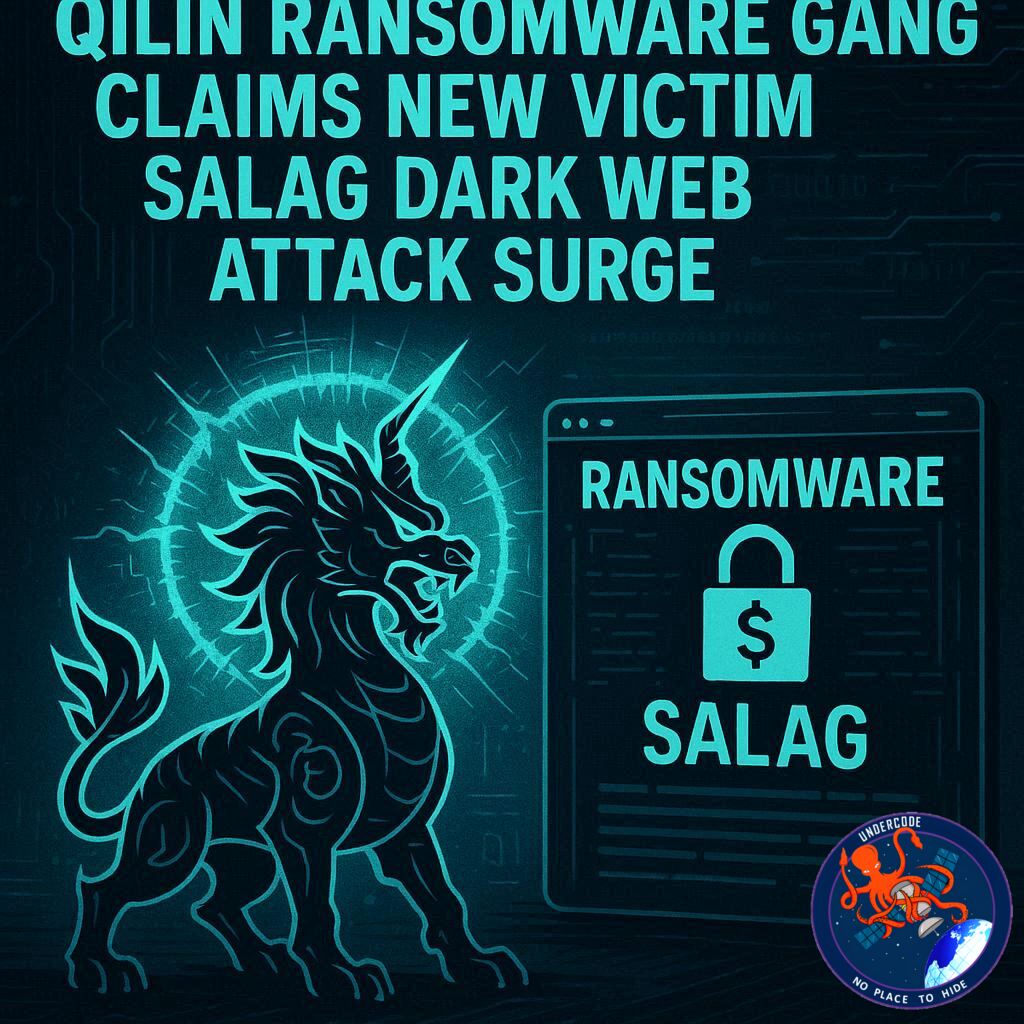
Introduction: A New Entry in the Expanding Ransomware Battlefield
Cybercrime continues to escalate at a breathtaking pace, and ransomware groups are becoming increasingly aggressive in their operations. On March 15, 2026, cybersecurity monitoring platforms detected a new development involving the ransomware group known as Qilin. According to threat intelligence monitoring activity, the group has reportedly added an organization called Salag to its growing list of victims. The alert surfaced through cybersecurity monitoring channels that track ransomware groups operating on the dark web, where such groups often publish victim announcements to pressure companies into paying ransom demands.
The Dark Web Announcement That Sparked Attention
Threat intelligence monitoring teams flagged the incident when ransomware activity connected to the Qilin group appeared on dark web tracking feeds. These feeds are commonly used by cybersecurity researchers to monitor ransomware gangs that publicly disclose compromised organizations. The announcement suggested that Salag had become the latest organization targeted in the group’s ongoing campaign.
How Ransomware Groups Publicly List Their Victims
Modern ransomware groups increasingly rely on “name-and-shame” tactics. Instead of only encrypting files and demanding payment privately, attackers publish victims’ names on leak sites hosted on the dark web. This tactic aims to increase pressure on companies by threatening to release sensitive information if ransom payments are not made. The listing of Salag by the Qilin group follows this increasingly common playbook used by many cybercriminal organizations.
The Role of Threat Intelligence Monitoring Platforms
The information regarding the incident was detected by a threat intelligence monitoring team that tracks ransomware groups across underground networks. These platforms gather indicators of compromise, command-and-control server data, and dark web announcements. Such monitoring helps cybersecurity professionals identify emerging threats quickly and warn organizations before attacks spread further.
Why Ransomware Announcements Matter to Security Teams
When a ransomware group publicly lists a victim, it often indicates that negotiations between attackers and the targeted organization may be ongoing—or that the attackers are attempting to force payment by escalating pressure. In some cases, organizations listed on ransomware leak sites may not immediately confirm the breach, which leaves cybersecurity analysts relying on threat monitoring services to track developments.
The Growing Reputation of the Qilin Ransomware Group
Qilin has increasingly appeared in ransomware intelligence reports over recent years. Like many ransomware-as-a-service operations, the group reportedly allows affiliates to deploy its malware while sharing profits from ransom payments. This model allows ransomware campaigns to scale rapidly, making it difficult for security teams to track every attack.
The Uncertainty Around the Salag Incident
At the time the alert surfaced, public details about the alleged compromise remained limited. It was unclear what type of organization Salag represents, what data may have been accessed, or whether the attackers had successfully deployed encryption tools. Such ambiguity is common during early reports of ransomware activity.
Early Alerts Often Precede Larger Cybersecurity Investigations
Threat intelligence alerts frequently appear before official breach confirmations. Security researchers often detect signals from dark web sources long before affected organizations release statements. As a result, early warnings like the Qilin announcement can trigger investigations across cybersecurity communities.
What Undercode Says:
The Silent War Between Cybercriminals and Organizations
Ransomware incidents like the alleged attack on Salag highlight the silent digital war unfolding across the internet. Cybercriminal organizations are no longer isolated hackers operating in the shadows. Many now function like structured businesses, complete with development teams, affiliate programs, marketing strategies, and negotiation specialists.
Ransomware-as-a-Service Is Changing the Cybercrime Economy
One of the biggest drivers behind ransomware’s explosive growth is the ransomware-as-a-service model. Groups such as Qilin provide malware infrastructure to affiliates who carry out attacks. In return, the developers take a share of ransom payments. This approach dramatically lowers the barrier to entry for cybercriminals and enables attacks to scale globally.
The Psychological Pressure Strategy Behind Leak Sites
Leak sites serve as a psychological weapon in ransomware campaigns. Instead of only threatening encrypted systems, attackers threaten reputational damage. When a company’s name appears on a dark web leak site, it creates public pressure from customers, regulators, and partners. This strategy often forces organizations to negotiate faster than traditional ransomware tactics alone.
The Intelligence Value of Dark Web Monitoring
Threat intelligence platforms play a critical role in cybersecurity defense. By monitoring dark web forums, ransomware leak sites, and underground marketplaces, analysts can detect early signals of attacks. These signals help security teams prepare responses before stolen data spreads widely or before attackers launch additional campaigns.
Why Attribution in Cybercrime Remains Difficult
Even when a ransomware group claims responsibility, attribution remains complicated. Cybercriminal groups often reuse infrastructure, share tools, or imitate each other’s branding. This makes it difficult to determine whether an attack truly originated from a specific group or from affiliates using borrowed malware frameworks.
The Escalation of Ransomware Publicity Campaigns
Cybercriminal groups increasingly behave like media organizations. They announce attacks, release teaser data leaks, and even communicate with journalists. The goal is simple: maximize pressure on victims while increasing the group’s reputation among other cybercriminals.
Organizations Are Becoming Prime Targets for Data Extortion
The modern ransomware model focuses less on system encryption and more on data theft. Attackers know that organizations fear public data exposure even more than operational downtime. As a result, double-extortion attacks—where criminals both steal and encrypt data—have become the dominant ransomware strategy.
Cybersecurity Defenses Are Struggling to Keep Pace
Despite major improvements in cybersecurity technology, ransomware groups continue to evolve faster than defensive strategies. Attackers exploit zero-day vulnerabilities, misconfigured servers, and stolen credentials. The constant evolution of tactics forces security teams to operate in a continuous state of defensive adaptation.
The Importance of Transparency After Cyber Incidents
When organizations fail to communicate openly after an attack, speculation often fills the gap. Transparency helps maintain trust with customers and stakeholders. Unfortunately, many companies delay public statements until investigations are complete, which can leave room for misinformation to spread.
The Bigger Pattern Emerging in 2026
Incidents like the Qilin claim suggest a broader trend: ransomware groups are becoming more organized, more visible, and more aggressive. As cybercrime grows into a multi-billion-dollar underground economy, these groups are likely to continue expanding their operations worldwide.
🔍 Fact Checker Results
✅ Verified Monitoring Alert
Threat intelligence monitoring platforms did report ransomware activity connected to the Qilin group listing Salag as a potential victim.
⚠️ Limited Public Confirmation
There is no widely confirmed public statement verifying the full details of the alleged compromise at the time of the alert.
❌ No Evidence Yet of Data Release
No confirmed evidence currently indicates that data from Salag has been publicly leaked.
📊 Prediction
The Next Wave of Ransomware Escalation
Ransomware groups are expected to intensify their use of public leak sites and dark web announcements throughout 2026. As cybersecurity defenses improve against traditional encryption attacks, cybercriminal groups will likely focus more heavily on data theft, extortion, and psychological pressure campaigns. If this trend continues, dark web victim listings could become the primary battlefield where ransomware gangs attempt to force organizations into paying increasingly large ransoms.
🕵️📝✔️Let’s dive deep and fact‑check.
References:
Reported By: x.com
Extra Source Hub (Possible Sources for article):
https://www.github.com
Wikipedia
OpenAi & Undercode AI
Image Source:
Unsplash
Undercode AI DI v2
Bing
🔐JOIN OUR CYBER WORLD [ CVE News • HackMonitor • UndercodeNews ]
📢 Follow UndercodeNews & Stay Tuned:
𝕏 formerly Twitter 🐦 | @ Threads | 🔗 Linkedin | 🦋BlueSky | 🐘Mastodon


