
Listen to this Post
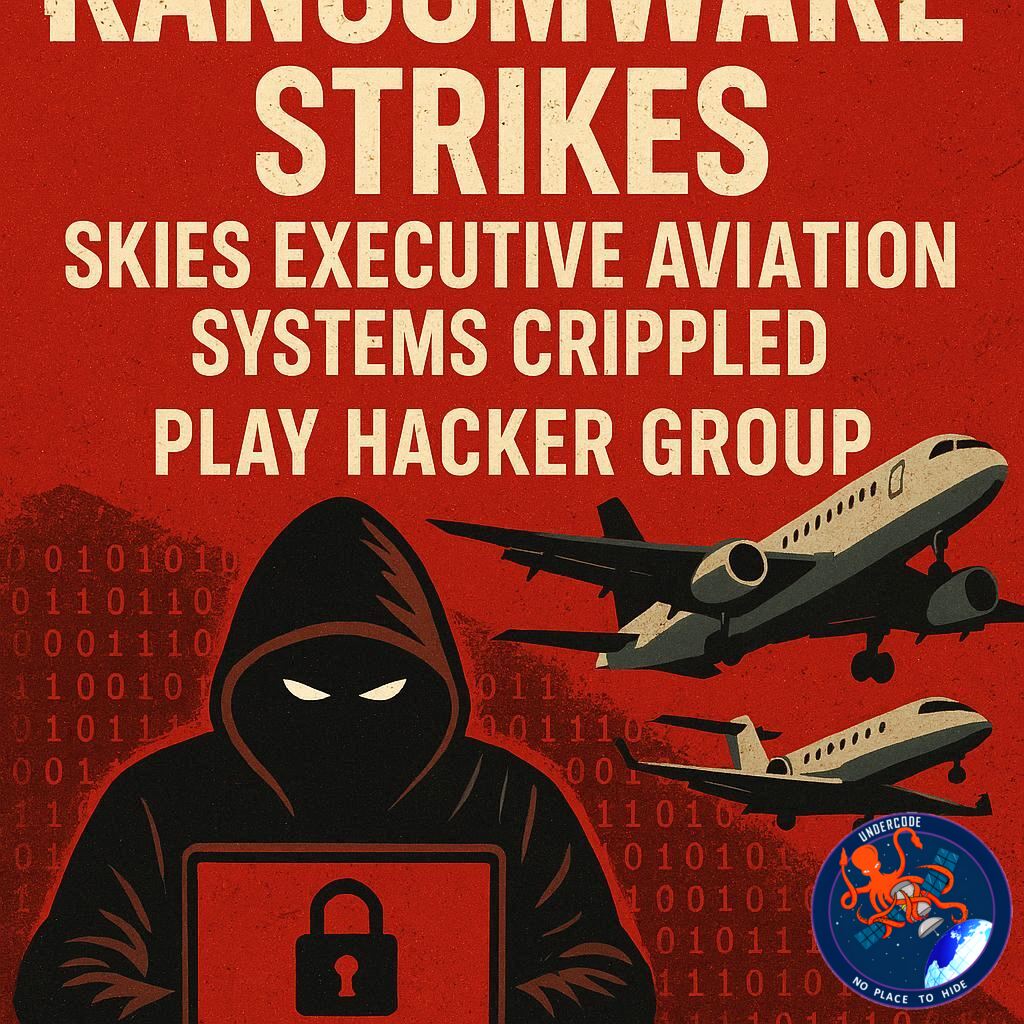
Introduction: Aviation Industry Faces New Cybersecurity Turbulence
The aviation industry, often associated with strict safety standards and cutting-edge technology, is increasingly becoming a prime target for cybercriminals. A recent ransomware attack has disrupted Executive Aviation operations, highlighting how vulnerable critical infrastructure can be to sophisticated digital threats. The attack, reportedly linked to the US-based threat actor group known as Play, has encrypted critical systems and forced emergency response and recovery measures. As cybersecurity teams race to restore functionality, the incident raises urgent questions about aviation security, operational resilience, and the evolving tactics of ransomware gangs.
Ransomware Attack Disrupts Executive Aviation Operations
A ransomware attack has significantly disrupted the operations of Executive Aviation after cybercriminals successfully infiltrated the organization’s digital infrastructure. According to cybersecurity monitoring reports, the attack encrypted several critical systems used for operational management, forcing the company into immediate response mode.
The attack is believed to be associated with the threat actor group known as “Play,” a ransomware organization based in the United States that has been linked to multiple high-profile cyberattacks in recent years. Once inside the system, the attackers deployed ransomware designed to lock files and critical services, effectively paralyzing normal workflows.
As a result, Executive Aviation has been forced to initiate incident response procedures while cybersecurity teams work to assess the full scope of the breach. System restoration efforts are ongoing, and investigators are currently attempting to determine how the attackers initially gained access to the network.
Encryption of Critical Systems Triggers Emergency Recovery Measures
The most damaging aspect of the attack is the encryption of essential systems required for aviation operations. These systems often include internal communications, operational scheduling tools, and data platforms necessary for managing aircraft services.
When ransomware encrypts such systems, organizations are effectively locked out of their own infrastructure. Without access to key digital resources, normal operations can quickly grind to a halt. For aviation service providers, even minor disruptions can have cascading effects across flight scheduling, logistics coordination, and safety oversight.
Emergency recovery procedures have therefore been activated. These procedures typically include isolating affected networks, identifying compromised endpoints, and restoring systems from backups where possible. Cybersecurity professionals also work to prevent further lateral movement by attackers who may still have persistence within the network.
Play Ransomware Group Continues Expanding Its Targets
The ransomware group known as Play has become increasingly notorious within cybersecurity circles. The group is known for targeting organizations with complex infrastructure where operational downtime can create strong pressure to pay ransom demands.
Unlike older ransomware groups that relied heavily on automated attacks, Play has been associated with more targeted intrusions. These attacks often involve carefully planned network infiltration, privilege escalation, and data exfiltration before encryption is deployed.
This strategy allows attackers to apply double-extortion tactics. In addition to locking systems, they may threaten to leak stolen data publicly if the victim organization refuses to pay the ransom. Such tactics dramatically increase pressure on victims while amplifying reputational damage risks.
Growing Threat to Aviation and Critical Infrastructure
Cybersecurity experts have long warned that critical infrastructure sectors—including aviation, energy, healthcare, and logistics—are increasingly attractive targets for ransomware groups.
The aviation sector is particularly vulnerable due to its reliance on complex digital systems that must operate continuously. Operational downtime can cause severe logistical disruptions, financial losses, and potential safety concerns.
Furthermore, aviation companies often rely on interconnected vendor systems, making supply-chain vulnerabilities another potential entry point for attackers. A single compromised vendor credential or unpatched software vulnerability can allow threat actors to infiltrate an otherwise secure network.
As cybercriminals become more sophisticated, protecting aviation infrastructure requires not only strong technical defenses but also proactive threat intelligence and rapid incident response capabilities.
Cybersecurity Response and Ongoing Investigation
Following the attack, cybersecurity teams are conducting forensic investigations to determine the exact attack path used by the hackers. This includes reviewing system logs, network traffic, and authentication records.
Incident response teams are also working to ensure that no additional backdoors remain within the network. Attackers frequently deploy hidden persistence mechanisms to maintain access even after systems are restored.
Authorities and cybersecurity researchers are monitoring the situation closely, as ransomware attacks on aviation infrastructure can have broader implications for national security and transportation stability.
The recovery process may take significant time depending on the level of system damage and the complexity of the affected infrastructure.
What Undercode Says:
The Aviation Sector Is Quietly Becoming a Cyber War Zone
The ransomware attack on Executive Aviation is more than a simple cybercrime incident—it represents a growing strategic shift in how ransomware gangs select their targets. Aviation companies operate within highly interconnected ecosystems that include flight management software, maintenance systems, logistics platforms, and communication networks. When even one of these systems fails, the disruption can ripple across the entire operational chain.
Cybercriminal groups understand this dependency extremely well. By targeting organizations where downtime is unacceptable, ransomware groups dramatically increase the likelihood that victims will consider paying ransom demands. Aviation companies cannot afford prolonged outages, making them high-value targets in the cybercrime economy.
Why Ransomware Groups Prefer Operational Infrastructure Targets
Traditional ransomware campaigns once focused primarily on corporate office networks. Today, attackers are increasingly moving toward operational infrastructure systems. These systems often lack modern security architectures because they were designed for reliability and performance rather than cybersecurity.
Operational technology environments frequently include legacy software, outdated authentication protocols, and limited segmentation between internal systems. This makes lateral movement easier once attackers gain initial access. If an attacker compromises a single administrative account, they may be able to pivot through multiple operational systems rapidly.
For aviation service providers, this vulnerability is particularly concerning because operational technology interacts directly with real-world infrastructure.
Play Ransomware’s Strategy Reflects a Larger Criminal Evolution
The Play ransomware group represents a broader trend within cybercrime: the shift from opportunistic attacks to structured criminal operations. Many ransomware groups now operate like corporate organizations with specialized teams for initial access, malware development, negotiation, and money laundering.
This industrialization of ransomware has dramatically increased the scale and frequency of attacks. Criminal groups conduct reconnaissance before launching attacks, mapping networks and identifying the most valuable systems to encrypt.
Such tactics make attacks more damaging and more difficult to stop once they begin.
Aviation Cybersecurity Must Shift from Reactive to Predictive
Incidents like the Executive Aviation breach demonstrate the need for predictive cybersecurity strategies. Many organizations still operate on a reactive model, responding to attacks only after they occur.
Modern cybersecurity requires proactive threat hunting, behavioral monitoring, and anomaly detection powered by artificial intelligence. These tools can detect suspicious activities before ransomware deployment occurs.
In addition, strong network segmentation can prevent attackers from moving freely across internal systems.
Human Error Remains the Most Common Entry Point
Despite the sophistication of ransomware groups, many attacks still begin with simple human mistakes. Phishing emails, weak passwords, and compromised credentials remain some of the most common entry points.
Organizations must therefore focus not only on technical defenses but also on human-centric security training. Employees must learn to recognize phishing attempts and suspicious system behavior.
Cybersecurity is ultimately a human problem as much as it is a technological one.
Global Aviation Security May Soon Face Regulatory Pressure
As ransomware attacks increasingly target aviation and transportation infrastructure, governments may begin implementing stricter cybersecurity regulations for aviation operators.
Mandatory incident reporting, stronger data protection standards, and minimum cybersecurity frameworks could become common requirements. These regulations would aim to ensure that aviation infrastructure meets modern security expectations.
For organizations operating within this industry, cybersecurity may soon become as heavily regulated as physical aviation safety.
🔍 Fact Checker Results
Attack Confirmation
✅ Reports confirm Executive Aviation experienced operational disruption due to a ransomware attack.
Threat Actor Attribution
⚠️ The attribution to the Play ransomware group is based on threat intelligence monitoring and has not yet been officially confirmed by law enforcement.
Operational Impact
✅ Critical systems were reportedly encrypted, which is consistent with ransomware attack patterns targeting infrastructure sectors.
📊 Prediction
Aviation Will Become a Top Ransomware Target by 2030
The Executive Aviation incident may represent the beginning of a larger trend. As ransomware groups increasingly target operational infrastructure, aviation companies could become one of the most frequently attacked industries within the next decade.
Airports, aircraft maintenance providers, flight logistics systems, and aviation service companies all rely heavily on interconnected digital infrastructure. This complexity creates a large attack surface that cybercriminals can exploit.
In the coming years, aviation cybersecurity budgets will likely rise significantly, with organizations investing in zero-trust architectures, advanced threat intelligence platforms, and AI-driven monitoring systems. Governments may also introduce international cybersecurity standards for aviation similar to those already used for physical aviation safety.
If such measures are not adopted quickly, ransomware gangs will continue exploiting weaknesses in aviation infrastructure, potentially causing larger disruptions across global transportation networks. ✈️💻
🕵️📝✔️Let’s dive deep and fact‑check.
References:
Reported By: x.com
Extra Source Hub (Possible Sources for article):
https://www.instagram.com
Wikipedia
OpenAi & Undercode AI
Image Source:
Unsplash
Undercode AI DI v2
Bing
🔐JOIN OUR CYBER WORLD [ CVE News • HackMonitor • UndercodeNews ]
📢 Follow UndercodeNews & Stay Tuned:
𝕏 formerly Twitter 🐦 | @ Threads | 🔗 Linkedin | 🦋BlueSky | 🐘Mastodon


