
Listen to this Post
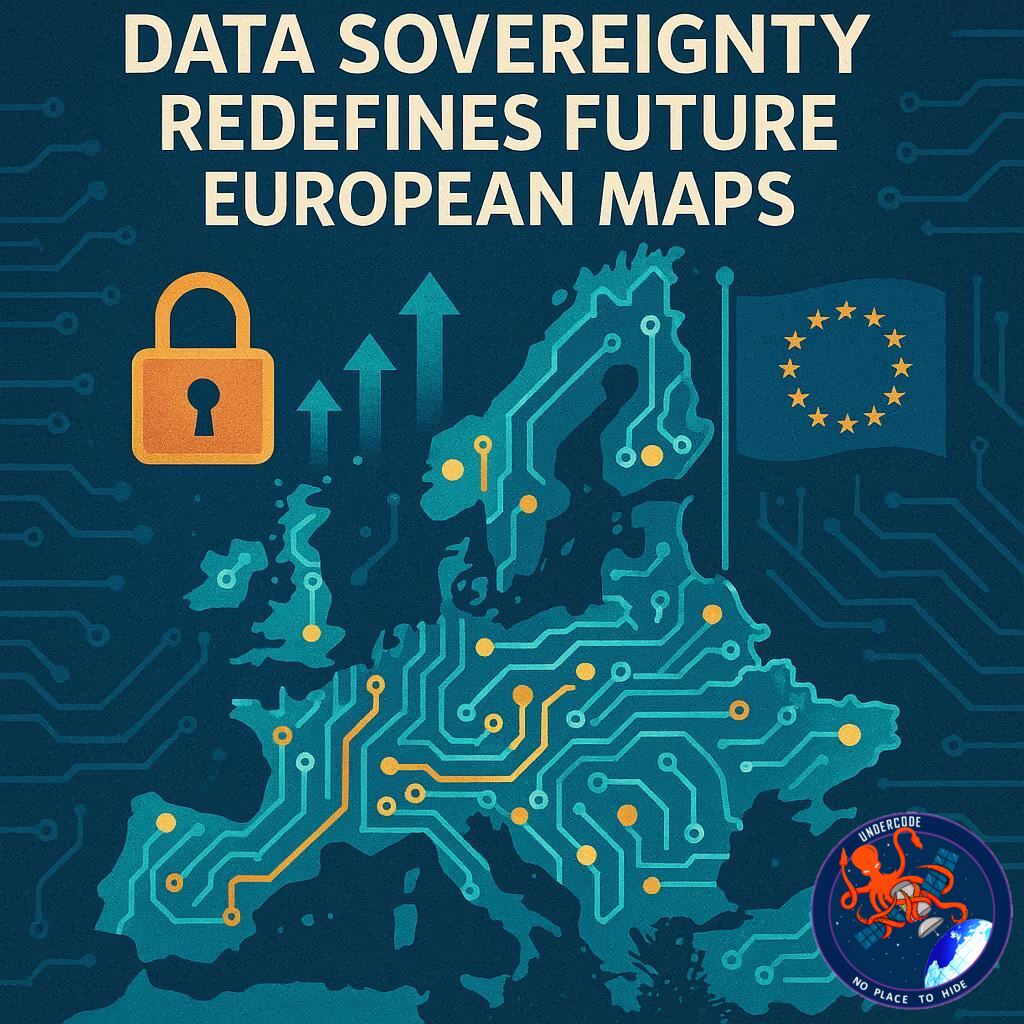
The rise of data sovereignty is transforming how Managed Service Providers (MSPs) operate across Europe. What once was a compliance checkbox under GDPR has now evolved into a strategic differentiator that shapes client trust, regulatory adherence, and competitive positioning. European organizations no longer just care where data is stored—they want clear legal control over it, demanding that MSPs demonstrate jurisdictional containment, governance boundaries, and risk accountability.
The Evolution from Data Residency to Data Sovereignty
Since the implementation of GDPR, European organizations prioritized keeping personal data within EU borders. MSPs quickly adapted by leveraging regional cloud infrastructures to meet residency-focused procurement standards. However, data sovereignty introduces a deeper layer: it’s not only about location but about who controls the data, which legal frameworks apply, and whether foreign authorities can demand access.
Jurisdictional Control Shapes MSP Value
MSPs are now evaluated not merely on operational efficiency but on their ability to manage legal and operational risk. Providers that can prove strong jurisdictional control earn strategic trust from clients, while those failing to do so risk exclusion from regulated markets.
Strategic Importance for Regulated Sectors
Regulatory enforcement across Europe is intensifying, yet the real shift is strategic. Public institutions, financial organizations, and critical infrastructure operators now see digital dependency as a vulnerability. Sovereignty clauses in procurement are no longer secondary—they are key qualifiers in RFP evaluations. MSPs must clearly articulate how they manage jurisdictional governance to advance in competitive bids.
Operational Challenges of Sovereignty
Traditional MSP models rely on centralized systems—global SOCs, aggregated telemetry, and multi-tenant platforms—for efficiency. Sovereignty pressures introduce friction by restricting cross-border data movement and requiring region-specific processing. However, segmentation strategies allow sovereign services to coexist with global, cost-optimized infrastructures, balancing compliance with operational scale.
Ecosystem Partnerships as Strategic Leverage
Partnerships with vendors deploying services in sovereign cloud environments are increasingly crucial. Hosting infrastructure, processing, and key management under defined legal frameworks allows MSPs to present clear sovereignty narratives, reduce procurement friction, and build audit confidence. Sovereign-ready partnerships open doors to regulated sectors while maintaining broader operational efficiency.
Real-World Examples of Sovereign Cybersecurity
Bitdefender has led the charge by forming sovereign cloud partnerships in Europe. In France, it collaborates with OVHcloud to provide a cybersecurity platform meeting ANSSI SecNumCloud standards. In Germany, it partners with Secunet for certified hosting aligned with EU and German regulatory requirements. These collaborations demonstrate that MSPs can maintain jurisdictional integrity without fragmenting their broader service architectures.
What Undercode Says: Strategic Implications for MSPs
Enhanced Trust as a Competitive Advantage
Sovereignty capability transforms MSPs from commodity service operators into governance-aligned partners. Demonstrating clear jurisdictional containment strengthens client confidence, particularly in highly regulated sectors such as finance, government, and critical infrastructure.
Reimagining Operational Architecture
Centralized MSP models must adapt. Sovereign-ready segmentation allows providers to maintain efficiency while meeting legal and regulatory expectations. This hybrid model ensures cost-effectiveness in less-sensitive markets while protecting sensitive data locally.
Regulatory Alignment as Market Access
With sovereignty requirements embedded into enterprise RFPs, MSPs that ignore jurisdictional boundaries risk losing market access. Conversely, those integrating sovereign capabilities can compete in higher-value, compliance-driven verticals.
Ecosystem Integration and Strategic Partnerships
Partnering with sovereign cloud vendors is no longer optional. These collaborations provide legal clarity, operational efficiency, and audit defensibility, enhancing MSP positioning in regulated markets.
Differentiation Beyond Compliance
Organizations increasingly evaluate MSPs not just for service quality, but for resilience, legal accountability, and operational transparency. Sovereignty capability enables differentiation and positions providers for long-term growth.
Technology Vendors Driving Change
Vendors like Bitdefender are embedding sovereign deployment models into their product roadmaps, ensuring that security platforms operate within defined legal frameworks. This trend signals that sovereignty is becoming a market standard rather than a niche capability.
Long-Term Strategic Planning
MSPs must consider sovereignty in architecture, partnerships, and service offerings. Those that integrate it as a core capability are better positioned to thrive in regulated, high-stakes markets while competitors without such capabilities may struggle to compete.
Balancing Efficiency and Compliance
Sovereignty does not require abandoning centralized efficiencies. Instead, it calls for deliberate segmentation, clear governance, and leveraging partnerships to maintain operational scale while adhering to local laws.
Resilience as a Market Differentiator
Sovereignty capability strengthens MSPs’ resilience profile, reassuring clients that their data is protected from foreign intervention, regulatory overreach, and operational disruptions.
Opportunity for Growth
MSPs that treat sovereignty as a core operational principle can target higher-value clients and expand market access, transforming what was once a compliance burden into a growth lever.
🔍 Fact Checker Results
Data Sovereignty Definition ✅ – Accurate; focuses on legal control, not just storage location.
Partnerships with Sovereign Cloud Vendors ✅ – Correctly represented; Bitdefender collaborations exist in France and Germany.
Impact on MSP Architecture ✅ – Valid; sovereignty influences centralized vs. segmented service design.
📊 Prediction
As European regulations continue tightening, MSPs that embed sovereignty into their operational DNA will dominate high-value, regulated sectors. Expect more cybersecurity vendors to offer jurisdictional-specific deployment models, making sovereignty a standard evaluation criterion for enterprise and public-sector RFPs. MSPs that fail to adopt these capabilities may increasingly face market exclusion, while those who lead in sovereign-ready services will enjoy strategic trust, regulatory alignment, and long-term competitive advantage.
If you want, I can also create a visually structured version of this article with tables and bullet points highlighting MSP strategies, partnerships, and sovereign deployment benefits to make it even more attractive for readers.
🕵️📝✔️Let’s dive deep and fact‑check.
References:
Reported By: www.bitdefender.com
Extra Source Hub (Possible Sources for article):
https://www.quora.com/topic/Technology
Wikipedia
OpenAi & Undercode AI
Image Source:
Unsplash
Undercode AI DI v2
Bing
🔐JOIN OUR CYBER WORLD [ CVE News • HackMonitor • UndercodeNews ]
📢 Follow UndercodeNews & Stay Tuned:
𝕏 formerly Twitter 🐦 | @ Threads | 🔗 Linkedin | 🦋BlueSky | 🐘Mastodon


